4 feet 2 mouths

walking and eating our way around the world

Lake Powell and Layover Las Vegas (by Nathan)

Stepping away from the Grand Canyon was a difficult task for me.  I thoroughly enjoyed every minute of the Grand Canyon.  We enjoyed brutal heat and shaded strolls; we camped in the valley and on the cliff’s edge; and in total we covered over fifty miles of beautiful canyon lands.  We packed up our tent and sleeping bags, we gazed one final time out from Cape Final Point and we walked away from the Grand Canyon.  Of course there will be a next time, but our tour of the Southwest went in search of another thing- water.

Green sage and coral sands of Page Arizona

We drove north and descended four thousand feet into the desert.  We cruised through the canyons and sand fields admiring all the beauty around us.  The pastel green sage brush flourishes on the coral colored sand that stretches forever into the desert.

Horseshoe Bend

Then we met up with a seemingly impossible and striking section of the Colorado River called Horseshoe Bend.  The meandering of the river has slowly carved out these drastic curves into the rock.  Eventually the two ends of the horseshoe will meet and only a column of rock will remain.  This section just above the Grand Canyon is the last remaining visible portion of Glen Canyon.

Red rocks of Upper Antelope Canyon

Glen canyon has all sorts of controversy around it.  The upstream section of the Colorado River carved out numerous fingers into the bright red Navajo sandstone.  The beauty and richness of the colors was supposedly unmatched by even the Grand Canyon.  John Powell fought to conserve the canyons, but a dam was built, the lake filled and it was named after the man that tried to prevent it.  The beauty of the canyons was transformed into a vast, but narrow lake of crystal blue waters.  The lake intertwines in and out of ancient canyons leaving just a hint of the red and white rock exposed on the surface.  The lake is beautiful in its own way, but different from the natural canyons that remain beneath the surface.

Sunset camping on Lake Powell

When we finally arrived into Page, Arizona the only thing on my mind was to find a way to go swimming.  The temperatures teased around one hundred degrees and the locals kept telling us that it does not get really hot until September. Nevertheless we found a spot for our tent that doubled as a place to swim.  We could sit with our feet in the water next to our campfire and only a few short steps away from tent. 

Rainbow of canyon colors

A trip to Arizona and Utah would never be complete without a slot canyon.  Slot canyons are narrow sections of rock where the water has carved out a passageway three to five feet wide.  One of the most beautiful is the Antelope Canyon.  The area is controlled by the Navajo Nation, and the tourists have arrived in hoards.  The immense beauty is worth the shoulder to shoulder grappling for the perfect picture.
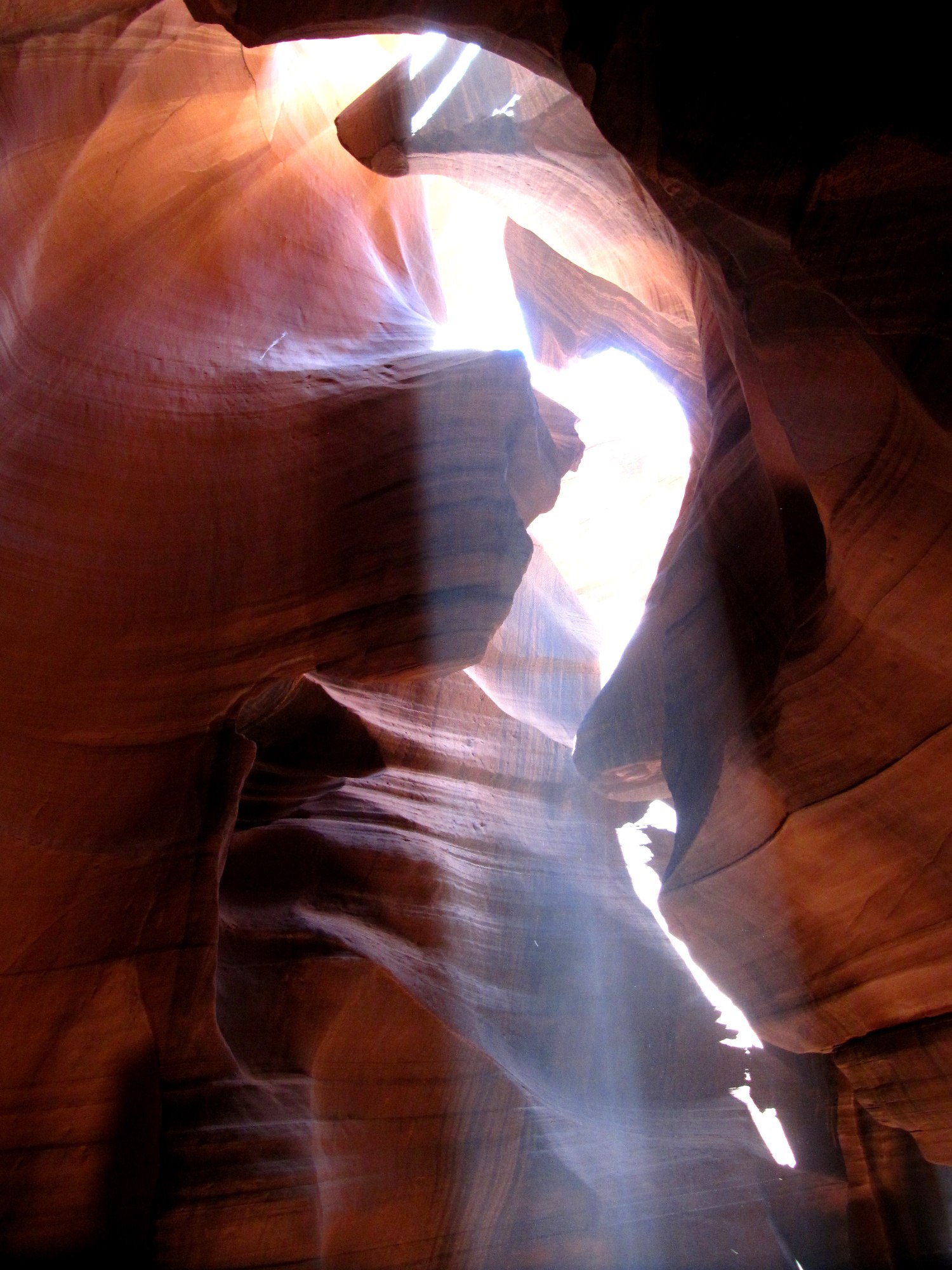
Illuminating light rays

Light and shadow of Antelope Canyon

The Upper Antelope Canyon is roughly 100ft deep and entirely navajo sandstone.  The light of the sun reflects of the red rock creating a rainbow of textures and colors.  The formations communicate an ever-present flow of time and erosion.   The most spectacular phenomenon occurs when the sun aligns perfectly into the depth of the canyon.  A little dust in the air creates a magical light beam that illuminates and intensifies the beauty.   There was only enough time for a few quick photos before we were rushed out of the canyon into the sun.

Four boots and Lake Powell

Carmen in route to a swimming hole

There was another great location to swim in Lake Powell just to the northeast of the dam.  A short walk along the striped rock, boots removed and we were diving and jumping into the cool waters.

Glorious grilled cheeses

In ten days we had camped on cliffs, under trees and in the desert heat.  Our legs were tired and our clothes dirty, but that was no reason to stop us from having a little fun.  A key tradition of any road trip is a visit to In-N-Out.  A read of Fast Food Nation and a taste of their legendary sandwich and anyone would agree that it is the perfect conclusion to a rigorous vacation.  Carmen and I do not even order the burger; the grilled cheese with extra veggies is amazing.

Las Vegas Strip

The fun continued with a layover in Las Vegas.  When given the choice of driving eleven hours straight to southern California or spending a night in Vegas, the decision was easy.  We plopped our dusty packs into the air-conditioned room and we were on the streets taking in all the craziness.  Stepping into casinos and the commotion of so many tourists was a shocker after spending so many hours isolated in the wilderness, but there were so many ways to be entertained!

Feaux Eiffel Tower

Inside the Venetian

We decided to see a Cirque du Soleil show and we found ourselves at the box office ten minutes before show start.  Lesson learned, smile and always ask for a discount!  The kind woman worked with us, found us great seats and we saved $50 each.  In seconds we were running up the stairs and watching the wonderfully done LOVE acrobatic show.

Stripes and weathered sandstone of Lake Powell

Our thrilling trip to the Grand Canyon, Lake Powell and Las Vegas came and went in a rush of excitement.  I was constantly stunned by the detail and intricacy of every rock formation and I am amazed that Carmen and I were able to explore so much of it in so little time.  These areas are a unique portion of the world with a beauty that is rich, vibrant and essential to any world traveler.

The Cooler Side of Grand Canyon on the North Rim (by Carmen)

The open road

Rim to rim, the Grand Cayon is eight to ten miles wide as the crow flies.  But as our car drives, it is a 200 mile route that takes 4.5 hours.  That’s because you have to drive to the very beginning of the canyon, where it becomes narrow enough to create a simple bridge over it.

Striped hillside along the route to the North Rim

But it is a beautiful drive.  We were making our way at sunset which gave the landscape a golden glow.  I couldn’t help but think that this what American road trips are all about.

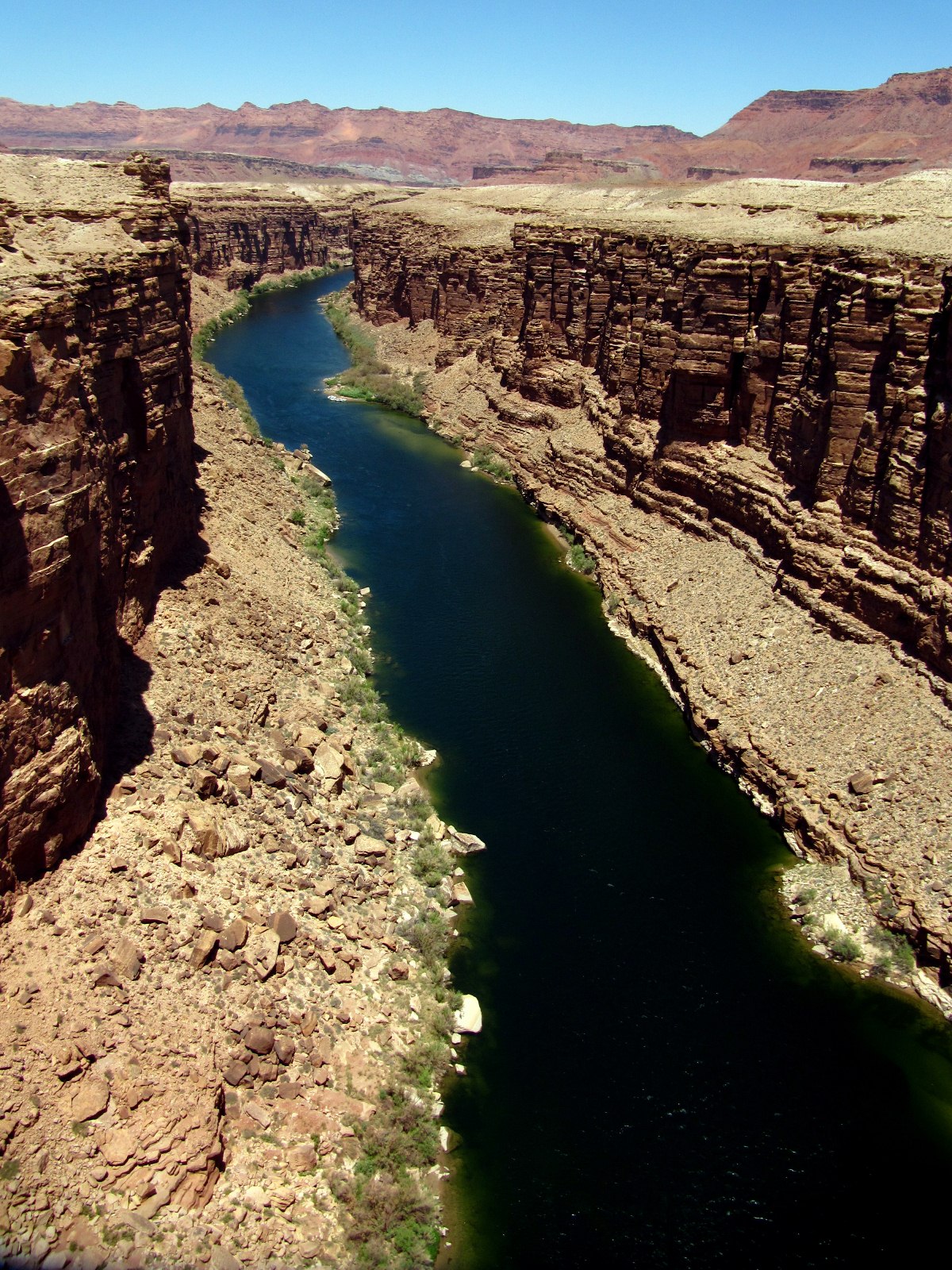
View of the mighty Colorado River from the bridge

We eventually crossed the bridge and headed just a few miles north of it, to Lee’s Ferry.  This is a historical site that marks the first ferry crossing in the area.  It was created in 1871 by a mormon family to help other mormons settle what is now Arizona.  These days it is the launching point for the thousands of adventurous souls that raft down the canyon each summer.  We took advantage of a small campground there to take refuge for the night.

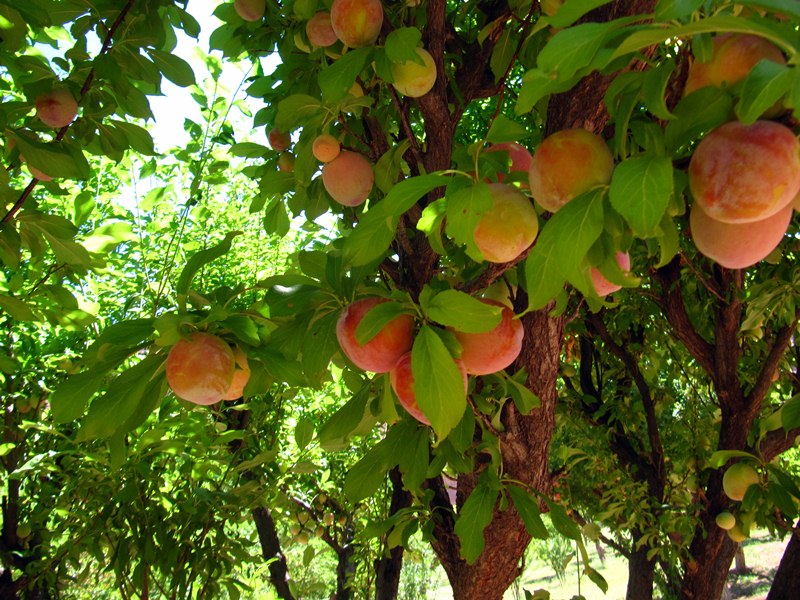
Historical fruit orchard

The next morning we explored the area where there are still some cabins built by the original settlers.  They even have a small graveyard for all those that perished in the settlement or while crossing.  Another one of their legacies is a beautiful fruit orchard that stands out like an oasis in the red desert.

Nathan with a rock formation

There are also these funky rock formations that are the result of a rock slide thousands of years ago.  As the softer ground erodes away around the boulder, it forms a sort of tree shape.  It was a reminder that this area of the southwest is truely a geologist’s dream.

View from the North

As we made our way to the north rim, the landscape changed dramatically.  Tall pines and aspens took over the red dusty earth.  There were grassy meadows and small ponds.  The North Rim is actually closed October to May due to snow.  It was amazing what 1500 feet in elevation could do.  This limited access also meant that fewer people visited the North Rim, which made for a calmer, more tranquil visit.  If I could only visit one side, I’d opt for the north.

Aspens above our camp in the Kaibab National Forest

The aspens were particularly pretty.  They were particularly prevalent because of a massive fire that swept through the area 20 years ago.  The aspens are the first to recover and provide shade so that the baby pines can grow.  Eventually the pines will become taller than the aspens, which will die out from too much shade.

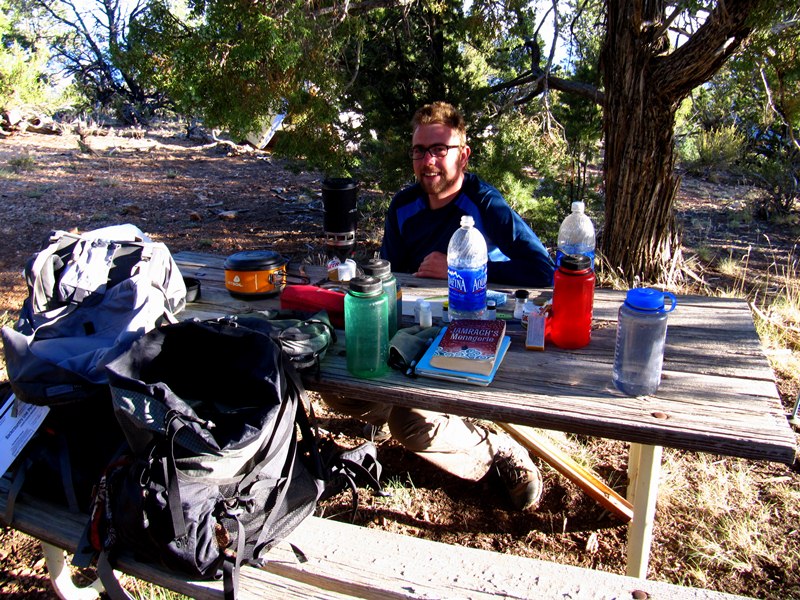
Picnic table at Tiyo Point

View from Tiyo Point

After our arduous hikes on the south side of the Grand Canyon, I was ready to take it easy.  But, of course, Nathan had other ideas.  He was already ready for more hikes and backpacking.  So we compromised with an overnight backpack trip that was 12 miles out and back to Tiyo Point.  The hike did not dip into the canyon and instead remained on the rim.  Therefore, it differed from inner canyon hike in three glorious ways: it was flat, shady and cool.

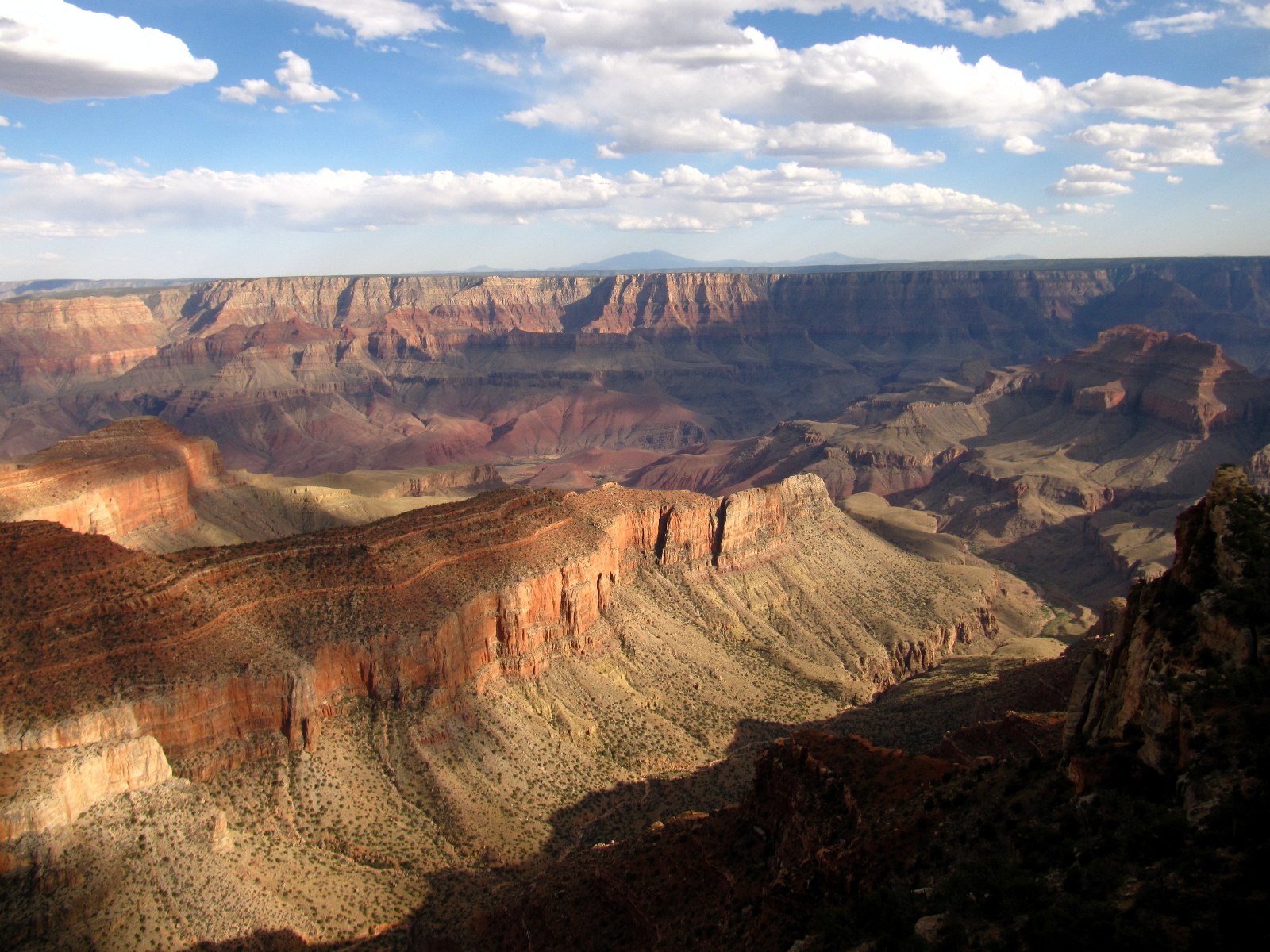
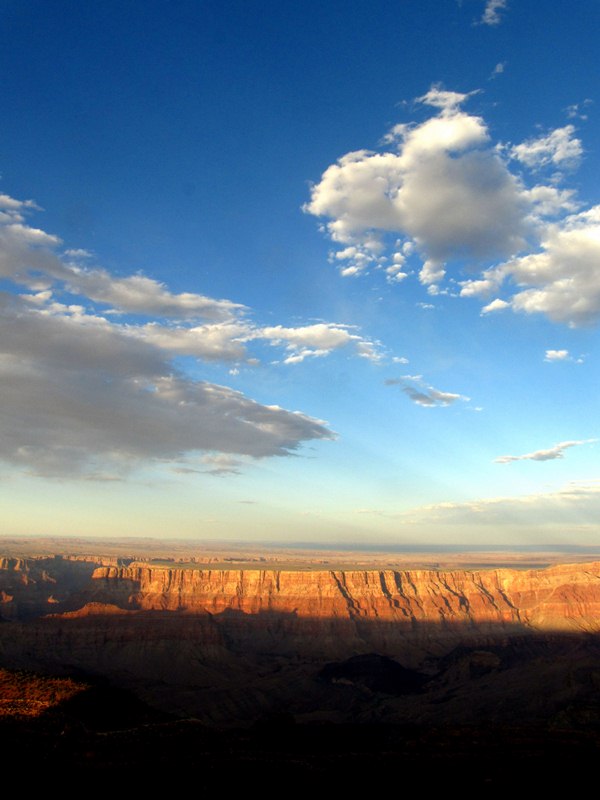
Clouds over Cape Final

Tent on the edge

On our last night in the canyon, we made our way to Cape Final.  This was a special campsite, only 4 miles out and back.  It’s a popular day hike but for an even better experience it has just one little campsite sitting on the rim.

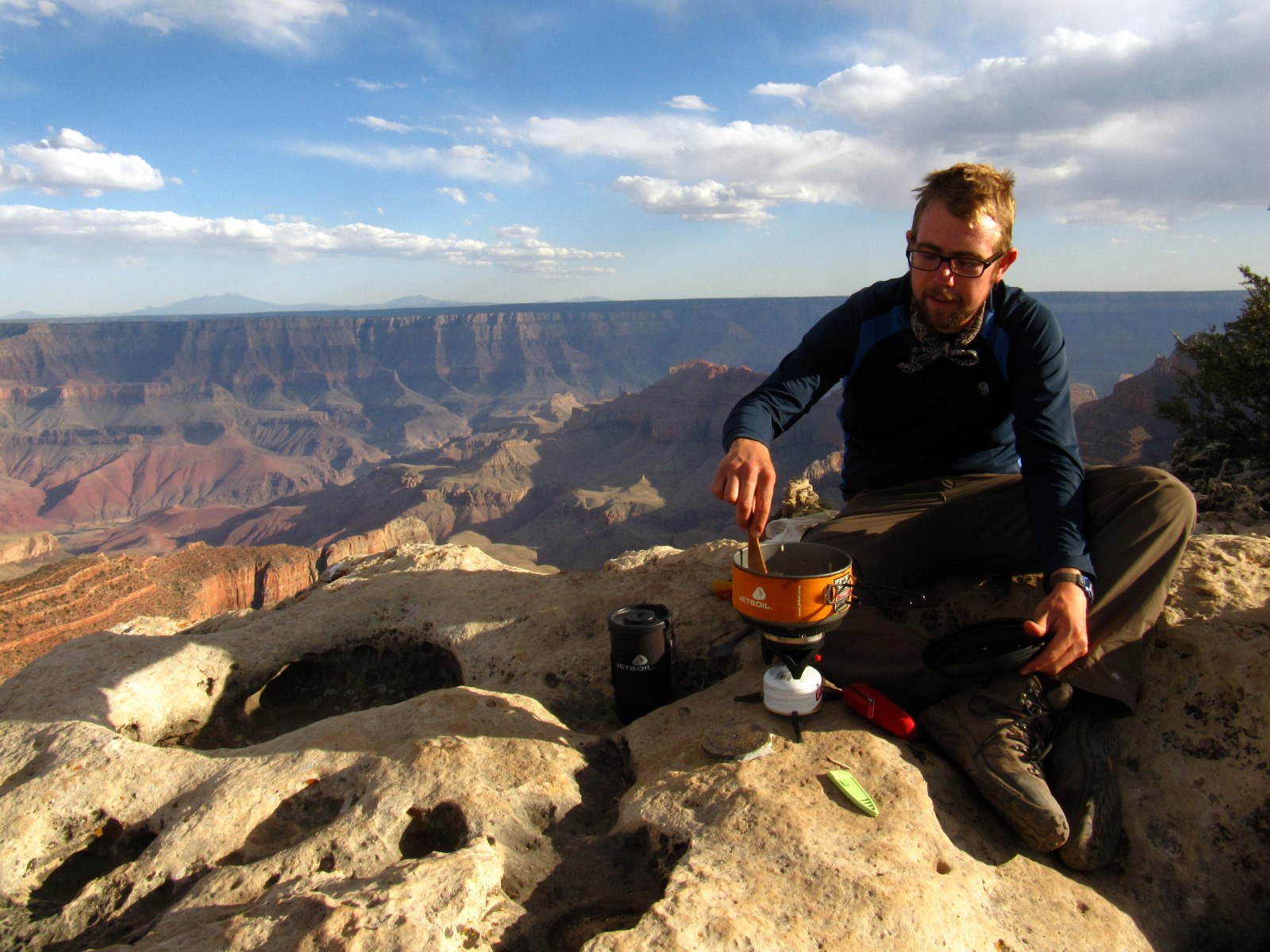
Nathan cooking up some din-din

We cooked our dinner (indian curried veggies with couscous) right on the point.  Meanwhile, we struck up a conversation with a day hiker who told us his inspiring stories of hiking in Nepal.  Someday…

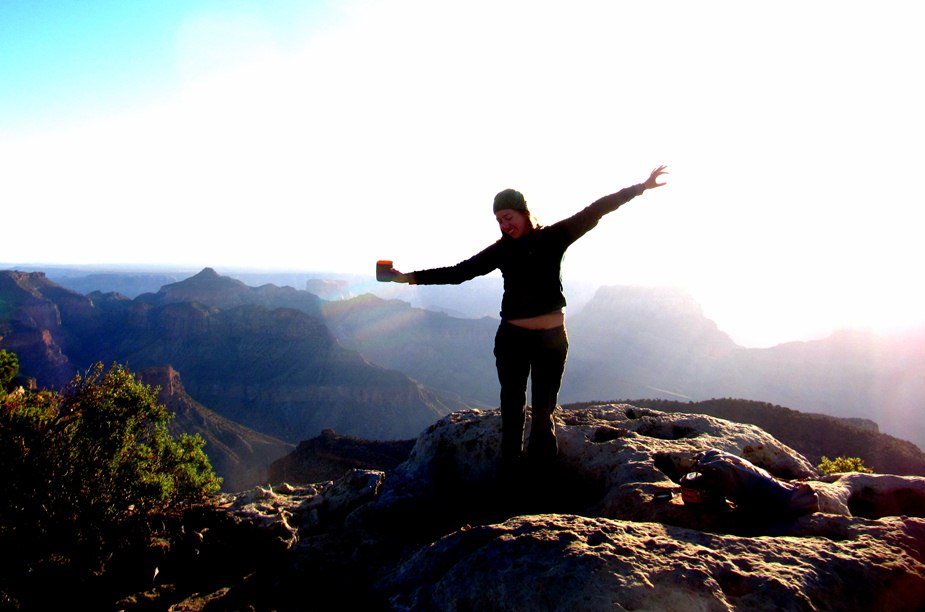
Me doing a morning stretch with my oatmeal

Our last morning we woke up with the sun and watched it rise over the canyon with no one else around.  Spending a full week in the canyon was a wonderful opportunity, but it was time to move on north for more adventures.

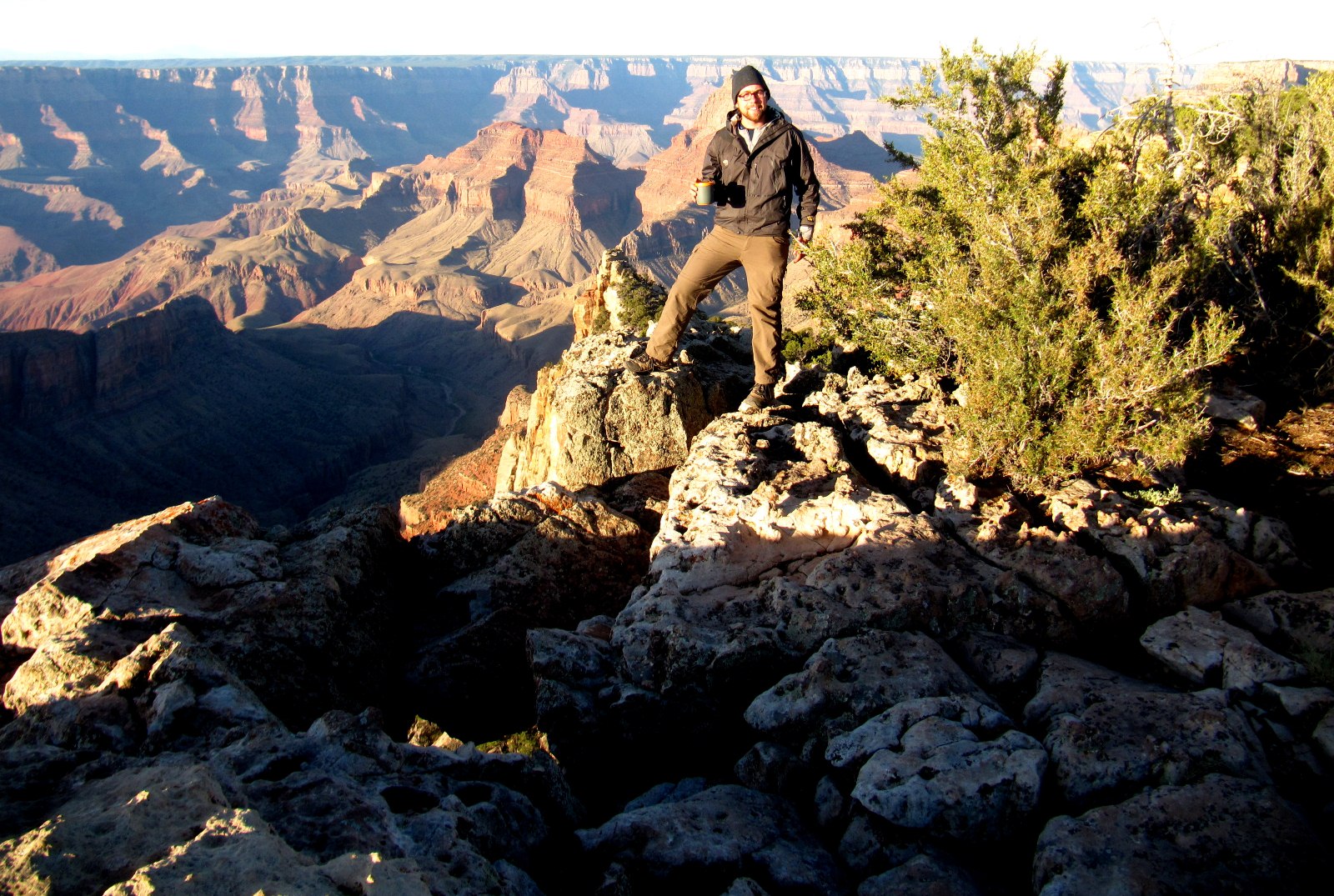
Nathan couldn’t get enough of the Grand Canyon

Getting Down Deep In Grand Canyon’s South Rim (by Nathan)

Hiking shadows on South Kaibab Trail

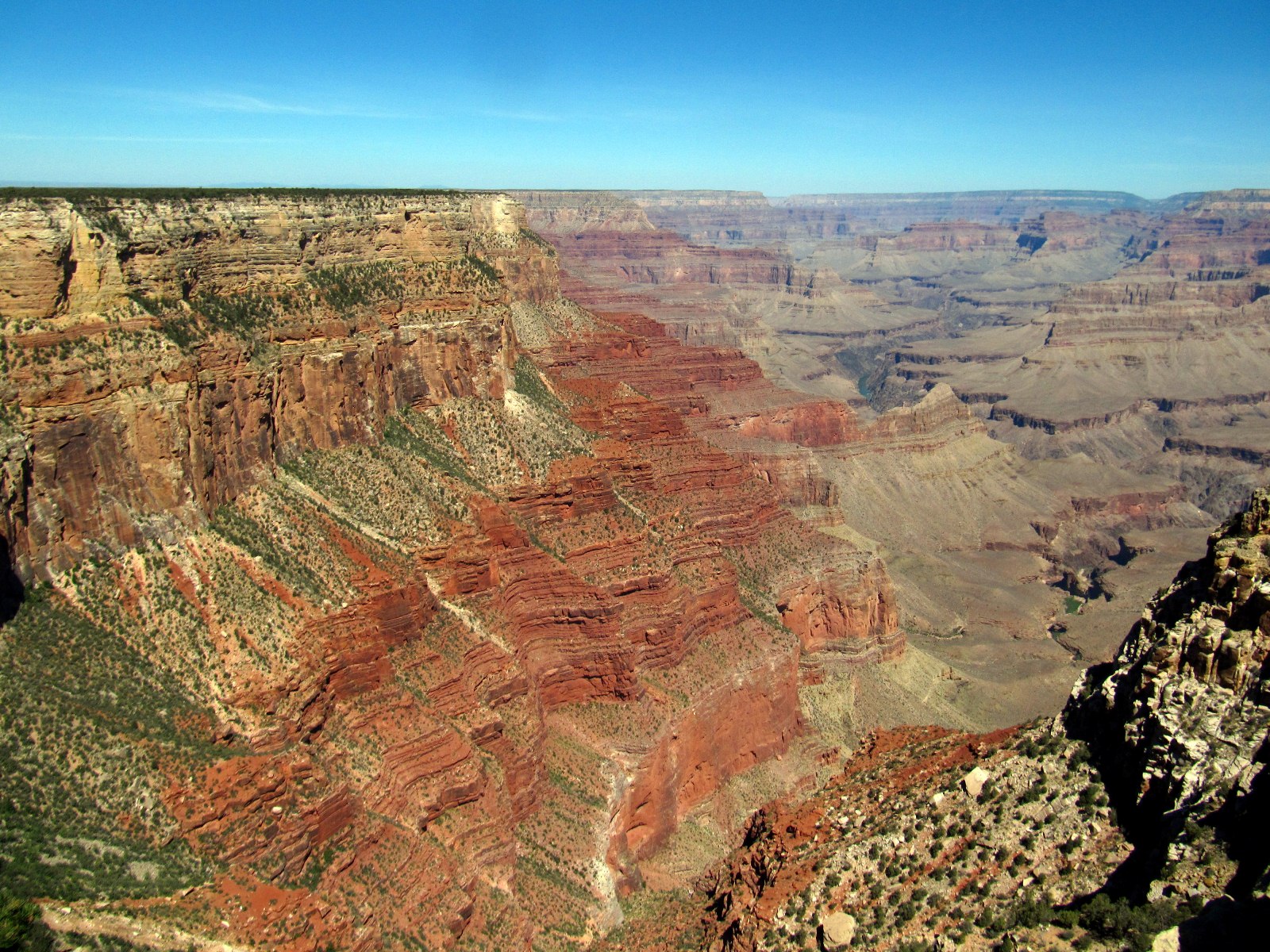
The best way to describe the South Rim of the Grand Canyon in summer is HOT. The heat that collects in the valley billows over the rim in waves of hot air. The dryness creates a landscape that is seemingly bleak and lifeless. But then I when we peer down into the deep abyss, into the alternating colors of red, orange and white, we see the Colorado River. In total this artery to the region channels water for 1,500 miles acting as the lifeblood of a complex ecosystem. Thick pine forests meet the rims edge, and desert cacti cling to the valley sands. The waters were once colored red with silt, but are now blue and cold from dams upstream.

Grand Canyon from Monument Creek vista

We arrived just after dusk and pulled into a car camping spot just outside of the park. We woke at sunrise to go and see our first views of the canyon. We were immediately awestruck by the beauty of the canyon. The colors are bright and omnipresent; slowly the light brightens, our faces become visible and the glow fills the valley. We picked up our first set of permits at the back-country office and we were ready to begin our hike the following morning.

Carmen hiking on the South Kaibab Trail

Skeleton Point on the South Kaibab Trail

We had the afternoon free so we grabbed our water bottles and made our way to the South Kaibab trail. We traversed down the steep switchbacks and made our way deep into the canyon. This trail is exciting with steep cliffs on both sides and stunning views throughout its length. We walked along the ridge line soaking in the afternoon sun. Our final stopping area and snack break was at Skeleton Point, a saddle at the tip of the ridge before the trail breaks off into more switchbacks to the Colorado River. Rejuvenated from a short rest, we turned around and ascended the 2,000ft (600m) back to the trail head. As we climbed our way back up the mountain the sun began to disappear beyond the cliffs. Slowly the grey shadows began to darken and the blackness crept its way up the canyon.  We setup our tent and cooked dinner that night in the darkness of the South Kaibab National Forest.

Nathan making his way to Salt Creek

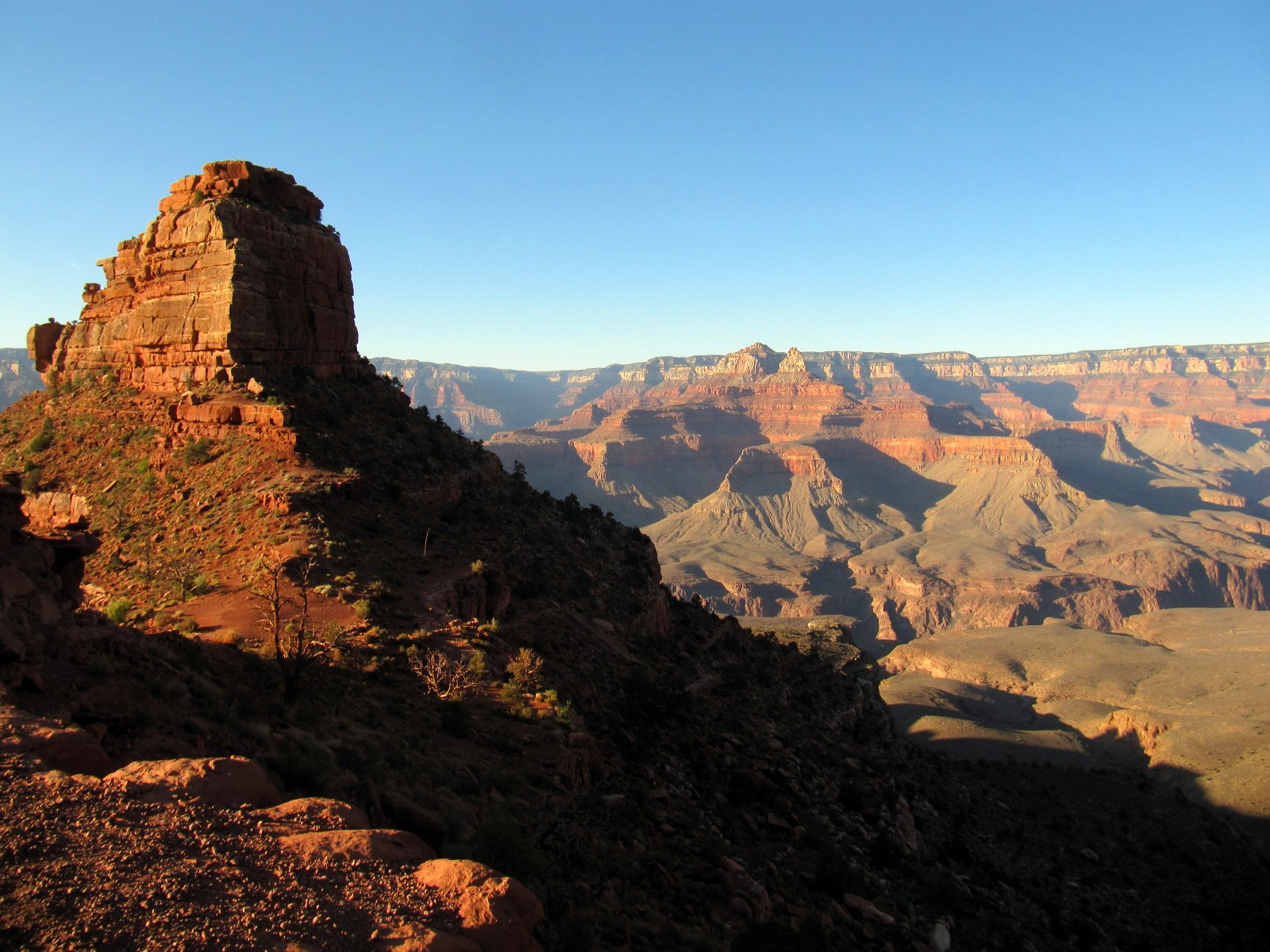
The sunsets in the Grand Canyon are beautiful, but it is at sunrise that the park becomes a scene of magic and changing light. Our hike into the canyon began early at 5am. We hiked down the switchbacks in the usable twilight of dawn. Slowly the canyon changed shape and color as the planar greys disappeared with a new day’s sun. The sunlight first touches the upper limestone of the rim in every direction. Slowly this bright golden light drips down the cliffs illuminating the entire canyon.

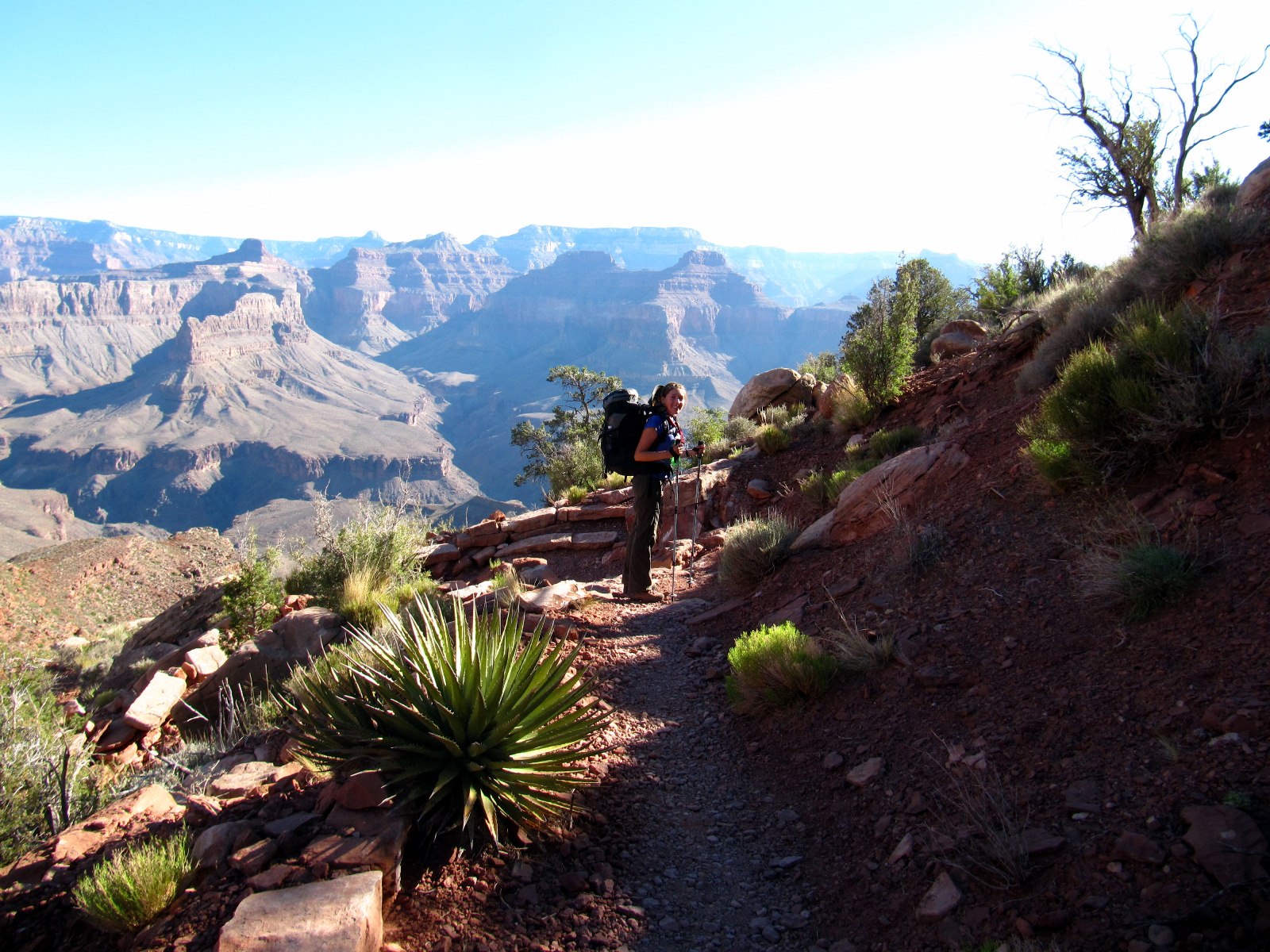
Carmen the morning hiker on Hermit Trail

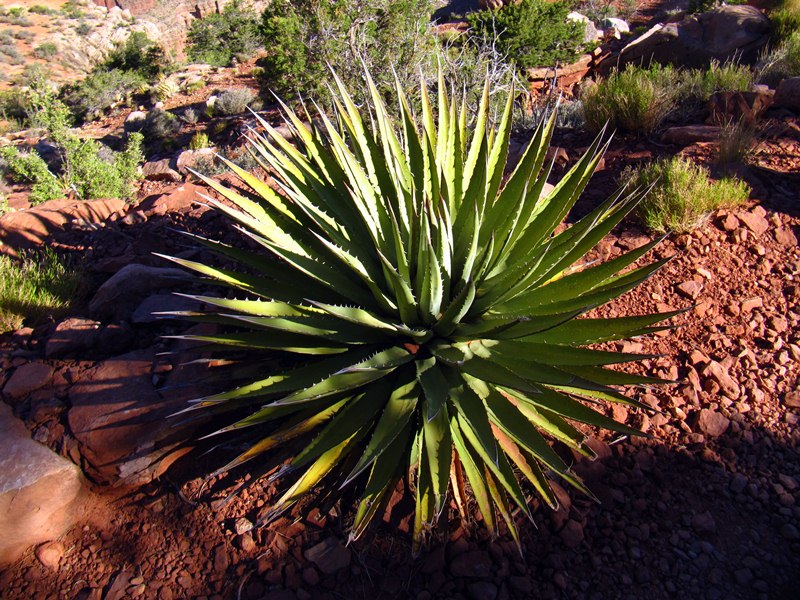
Perfectly shaped yucca

The shadows disappear, the heat engulfs us and we continue our walk in the full sun. The hike planned was a three day, two night, 30mi (48km) loop starting at Hermit’s Rest and returning from Indian Garden up the Bright Angle Trail. It was going to be very hot in the valley so we tried to get a jump on it. Water was also scarce so we carried one gallon each to safely get to our backcountry campsite with a natural spring.

Monument rock pillar

By 11am we had made it to the campsite at Monument Creek. No one else was there (because it was too hot) so we got the pick of the campground. Our camp overlooked intricate cliffs of vertical red rock. One column of rock, the “monument” of our camp, stood prominently 150ft (45m) in the air in the creek bed.

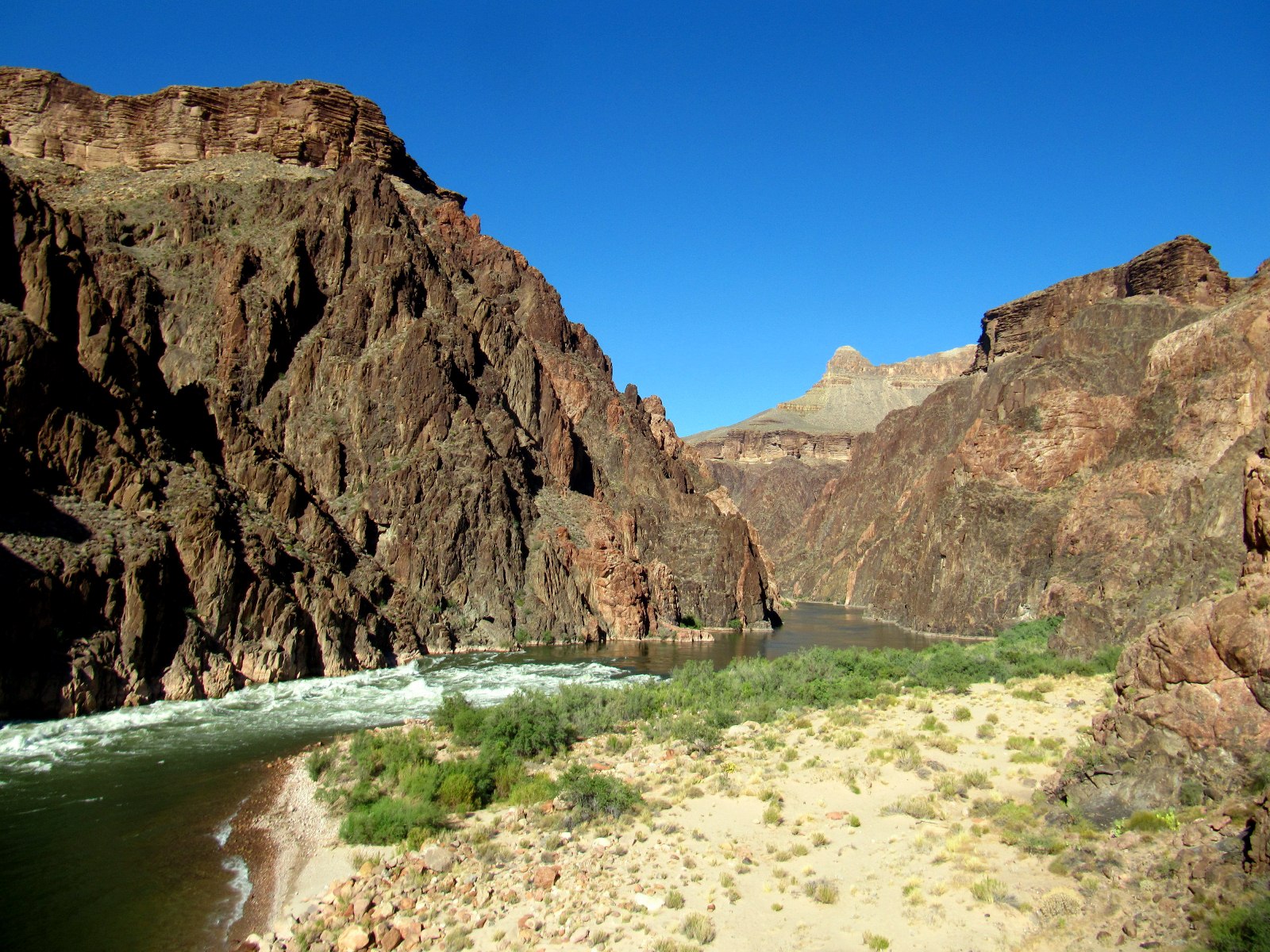
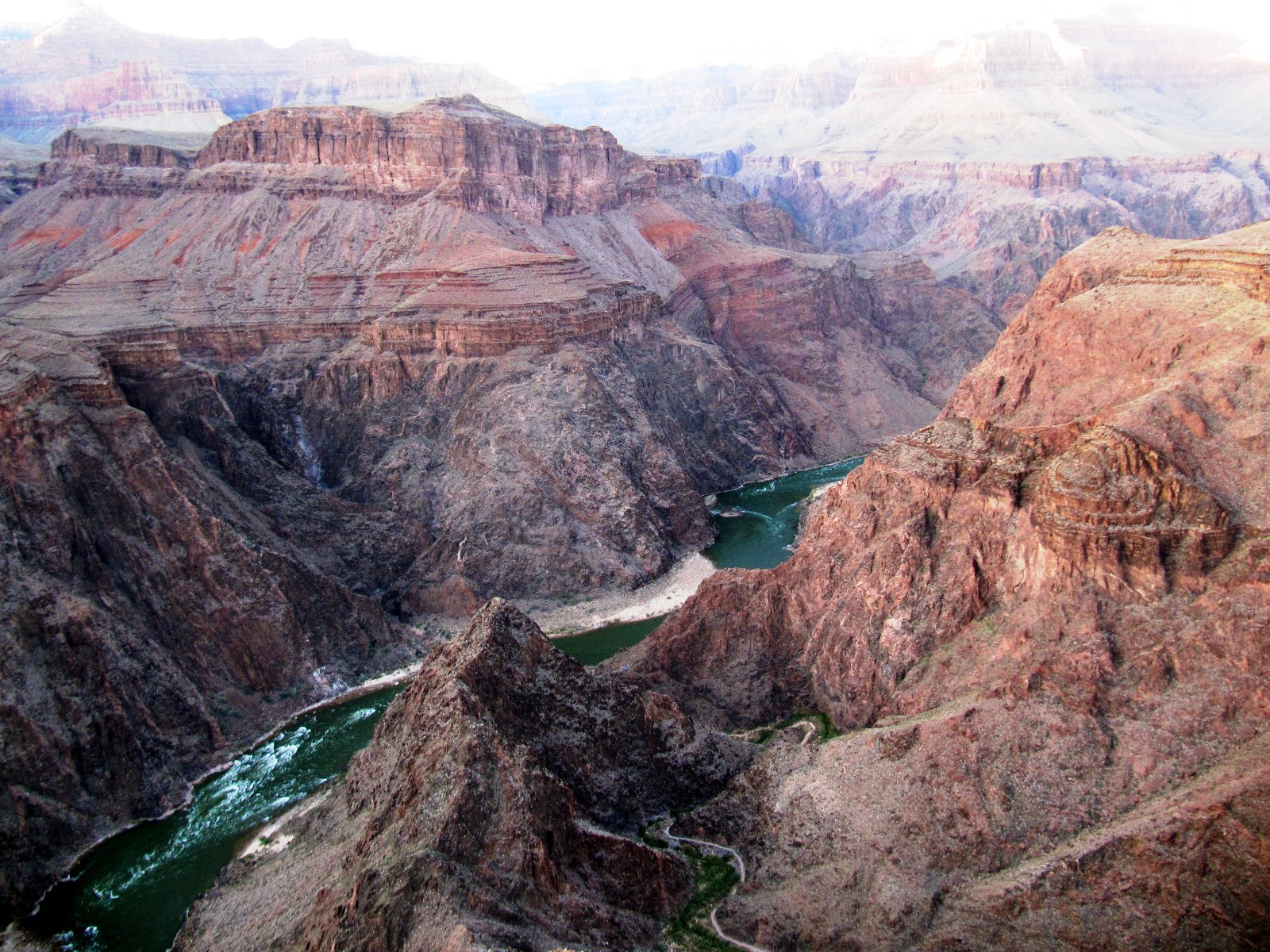
Granite rapids of the Colorado River

We took a siesta in the shadows of the vertical rock. After 3pm the canyon began to cool down and it was safer to explore and hike around the area. Our camp was on the Tonto formation which is an enormous ledge that wraps around the entire canyon. The Colorado river sits another 600ft below. We walked along the dried out Monument Creek until our voices were drowned out by the roaring Granite Rapids. A small hike upstream and the water was still and frigid enough to make me yelp when I plunged in head first. Refreshed, we made our way back into the depths of the canyon.

Red rock cliffs

Walking from the river out of the canyon is a powerful experience. The dark black gneiss at the water’s edge is two billion years old; the age of the earth is five billion. The history of the world was everywhere around us.  We climbed over boulders and river rock to return to our camp, but we were also climbing back to the future. We walked from a time when volcanoes created the base of the canyon, and then alternating layers of sandstone and limestone as the landscape was created under large oceans hundreds of millions of years ago. Magnificent cliffs towered above us as we walked, but we remained careful of every step spending most of our time watching where we were going.

Three rattlesnakes and a lizard

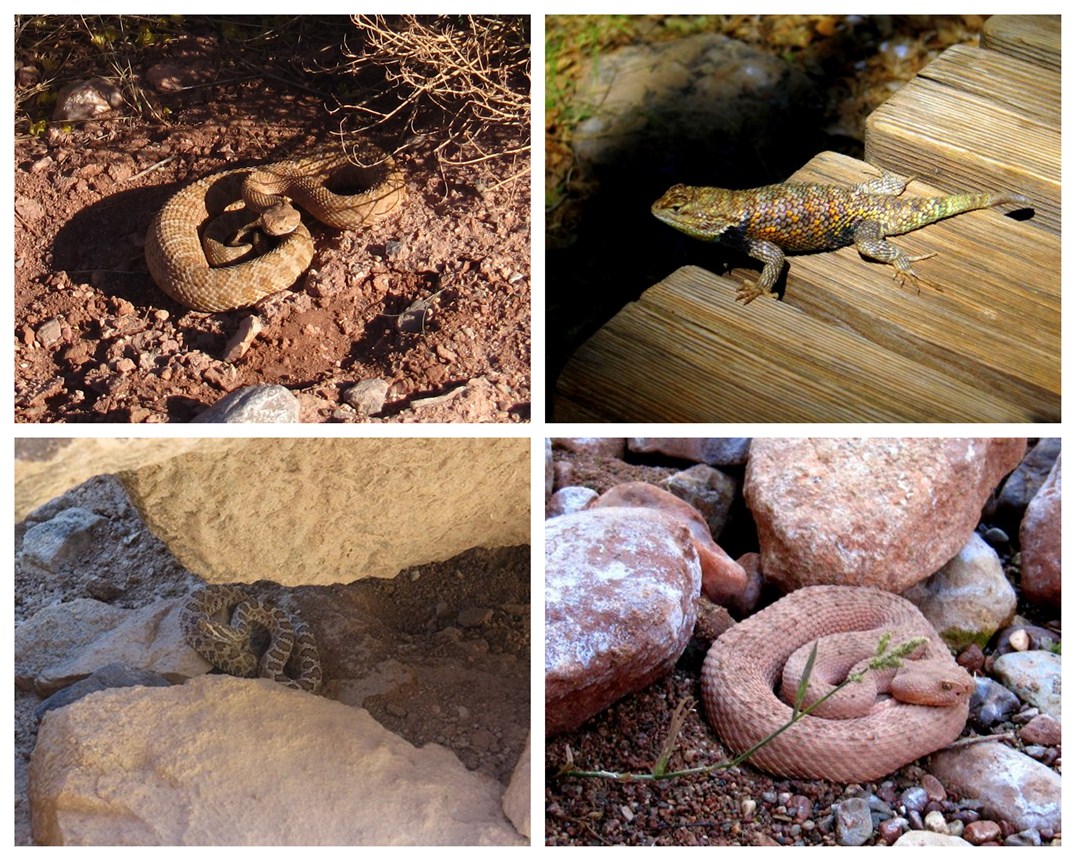
We encountered three rattle snakes in the first three days of visiting the Grand Canyon. In all cases the snakes were curled up in defense as they had heard us coming. To our benefit we walked with hiking poles that led us along the trails and river banks. With each discovery of a snake, it was fascinating how the colors varied and each was so remarkably camouflaged into its surroundings. A rainbow colored lizard insisted on hanging around our camp, he was plump and bold. He’d stare at us, and, when he knew we were watching he’d start a series of pushups then move a few inches and begin another set of pushups.

Indian Garden on Bright Angel Trail

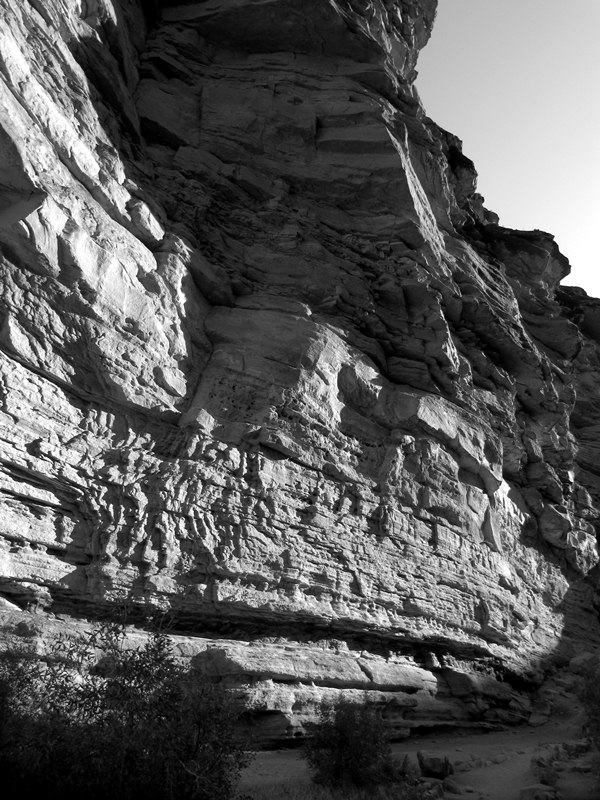
Textured cliffs of Indian Garden

Our second day of hiking was brutal. The hike itself was mostly flat as we traversed along the Tanto Trail that followed the steady, but exposed rock formation. The challenge was that by 6am we were already walking in the sun, temperatures quickly reached 100 degrees and we had six more miles to go. One step at a time we slowly and carefully made it to Indian Garden. This lush valley had been used for thousands of years for seasonal agriculture by the Havasupai tribes. Today it is filled with non-native cottonwood trees, water-filling stations and many back-country campsites.

View from Plateau Point

Dinner at Plateau Point

For dinner that night we decided to hike out onto the plateau point about a mile and a half from camp. From there we watched the sunset, and cooked up one of our standard back camping meals of sautéed tuna, onions, carrots and garlic over couscous with lemon. We could see the Colorado River from our little perch and quickly the sun faded away leaving us to walk in the dark back to our tarp.

View from Hermit’s Point

Ideally when we backpack, Carmen and I carry a tent. The lower elevations of the Grand Canyon were so hot that we left behind the extra weight and instead slept with only our silk sleeping sacks and the footprint of our tent. In the end it was well worth the 5lb savings, when we were also carrying 8lbs of water. That next morning we awoke again in the darkness to set out on our ascent out of the canyon. By 8am we had climbed 3,500ft (1,050m) and we sat at the Bright Angel trail head, catching our breath, finishing off our morning snacks, and gazing out into the morning sun lit canyon.

Native American building ruins

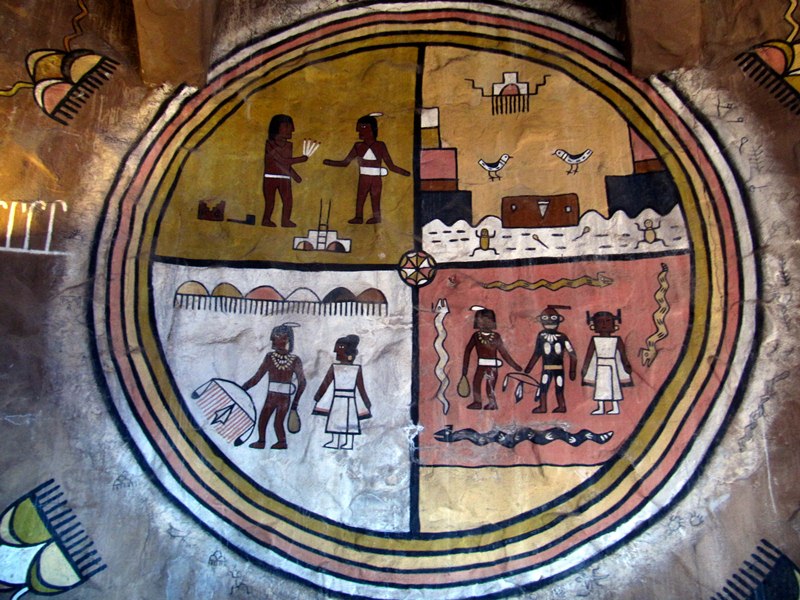
Indigenous tribes lived throughout the Grand Canyon for millennia. Evidence of their presence is well hidden, but everywhere. Only 5% of the national park has been surveyed and over 4,500 archeological sites have been discovered. It is estimated that there are over 50,000 sites in the park that contain, rock paintings, building ruins, burial sites and agricultural plots. Only the most elementary of this archeology is shown to tourists, but it is possible to bushwhack through the forest and come across, a circle of stones that once built a village, or hand painted pottery that is centuries old. Archeologists have found parrot bones in these areas, which proves that the Indians here traveled and traded with tribes in Central America. In the watchtower that was built on the eastern edge of the park there are some beautiful re-creations of Hopi Indian paintings.

Modern Hopi painting

Our first four days in the Grand Canyon took us to phenomenal vistas, dizzying temperatures and eye-opening history. The south rim is the most popular place to visit for tourists, many of the best lookouts are accessible only a few steps from the public tram. A ten minute walk along any trail and the canyon begins to engulf and encapsulate with spectacular colors and unimaginable verticality. We would hike for hours without seeing anyone and each shadow and niche, each boulder and ledge was only for us to see that day. Very quickly I felt alone, not in loneliness, but more so as an explorer seeing a magical place for the first time. During our hikes we descended into the depths of the canyon, touched the water, traversed the cliffs and climbed back out. We descended into a prehistoric era and climbed back into the present to realize that the Grand Canyon has been one of the most beautiful places on earth for the last five million years.

What Now? (by Nathan & Carmen)

Returning to San Francicso

Nathan’s favorite restaurant: Sol Food in San Rafael

When we initially thought of traveling for six months to a year the idea was more of a dream than a reality.  Traveling internationally becomes an addiction, some call it the travel bug, but our need to travel became a living necessity after our first trips to Europe.  The symptoms are rather subtle at first: excitement to review photos, enthusiasm when returning to our jobs and enjoyment to fall back into the routine of ordinary life.  Fast forward a couple months and the restlessness initiates the ideas of another big trip start forming.  We typically settle the anxiety through a scattering of weekend trips and hiking adventures.  Eventually the urge to travel becomes so intense that we busy ourselves planning the destinations of our next multi-week exploration.

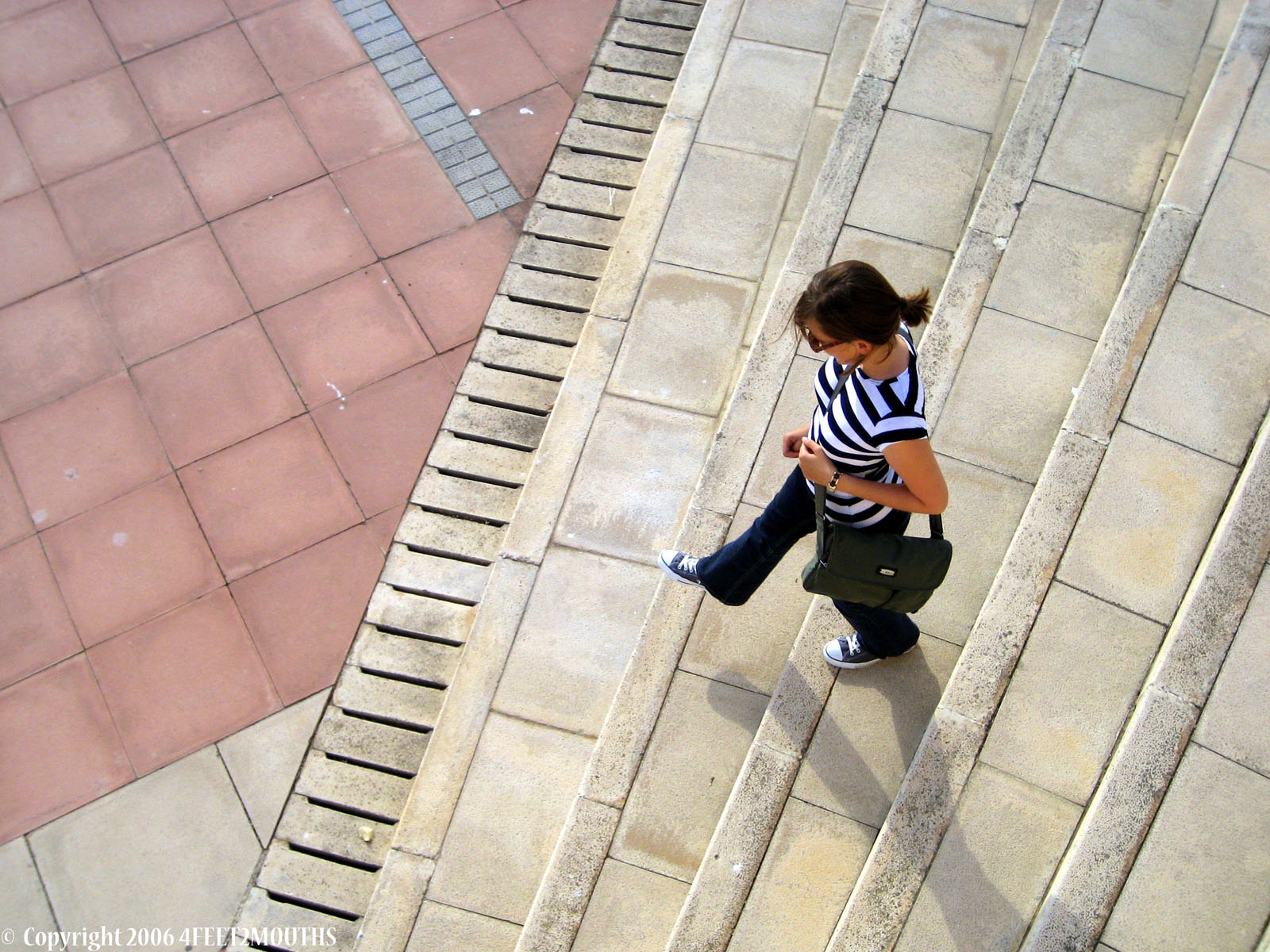
Carmen on Barcelona steps (2006)

Returning to California meant some big choices.  While there were seemingly endless possibilities of what to do next, for us, it really came down to two.  Option 1 is to settle down somewhere and start job hunting.  “Somewhere” is still to be determined which is both scary and exciting.  Option 2 is to keep going and take the full year off to travel, explore, meet new people, hike, and eat delicious foods.  After much thought, financial analysis and discussion, we decided there was really only one responsible choice.  We simply had to find out what was behind door number 2.

Carmen enjoying a rosé and a perfect lunch at Prune in NYC (2011)

New York street art and bicycle (2011)

So we finally committed to a full year off.  Woo hoo!  Then the challenge was to figure out what the rest of the year includes.  First we made a fantasy list of all the places we would ever like to go if money and time were no object (i.e. the fun part). Next we cut down that list to what we could realistically do (i.e. the less fun part). Now we are in the midst of doing all the planning required to make the dream come true.  The rough itinerary for the rest of the year is as follows:

  • Summer 2012 :: USA
  • September – October 2012 :: Europe
  • November 2012 :: India
  • December 2012 :: Southeast Asia
  • January 2013 :: China

The blog continues! And we will be sharing and documenting the details right here for everyone to enjoy.  Here is a teaser of the things to come:

Angel’s Landing in Zion National Park (2010)

In 2010 we hiked embarked on a week-long expedition into the canyons of Southern Utah.  We discovered majestic scenery and seemingly painted landscapes.  Our enjoyment of the canyons of Cafayate and the beautiful rocks of our Salar de Uyuni adventure enticed us to go and see one thing – The Grand Canyon.  There will be more hikes, more food and more red canyons.

New York density (2011)

Chicago highrises (2011)

Our United States tour will continue from vertical cliffs to vertigo skyscrapers as we explore New York City and Chicago with friends and family.  From there we trade in the tallest buildings for the tallest rows of corn, Nebraska here we come!

Hiking with Manish in Muir Woods (2010)

Having a laugh outside Bouchon Bakery

We return for the best of California summer where we will be posting about the best spots in San Francisco and Los Angeles.  You can expect hiking and all of our favorite restaurants.

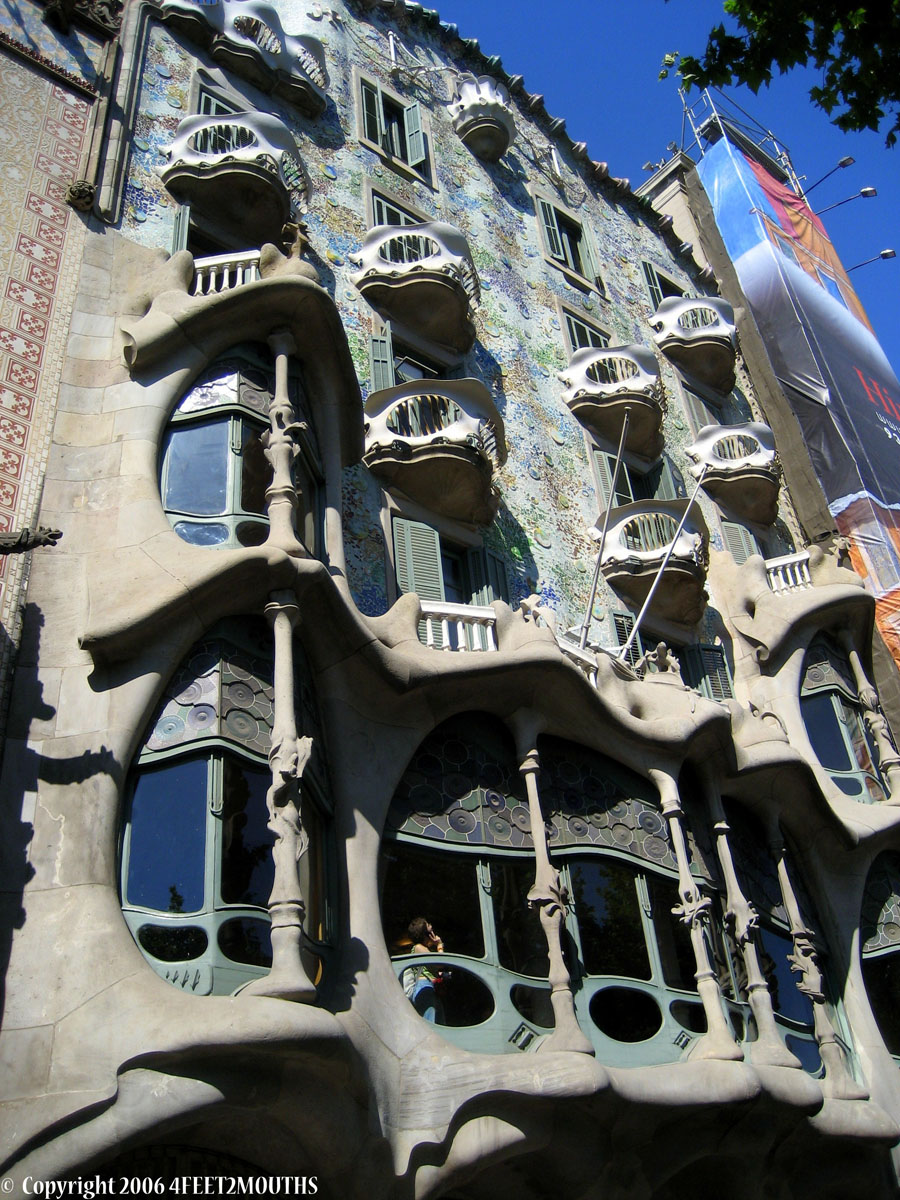
Gaudí’s Casa Batlló (2006)

The real excursion happens in September.  With our passports in hand, clothes freshly laundered we will be climbing aboard another jet plane for another five months of adventure.  First stop Spain.  There are just some activities that would never happen unless we took a year off to travel.  Thus, let’s put a our four feet to the test as we will be walking 500 miles across northern Spain on the Santiago de Compostela trail.

Nathan on the Thames (2010)

London’s historic architecture (2006)

Spain is not the only European place we want to see.  We’ll tie in our favorite city, London, France, Germany and some great wine excursions along the way.

Indian lunch while in Singapore (2009)

But nothing will be as bustling and exciting as what we expect to find in our next country.  We are both excited and almost giddy to begin our exploration of India.  We can’t wait to experience the intense flavors, markets and crowds that are unlike anything we have ever seen.

Thai cooking by 4FEET2MOUTHS (2011)

Our love of Thai food and our love of our Thai friend brings us to this beautiful country.  From boat-side street food to dancing octopus we will be trying to stay cool while eating chilies in Thailand.  Cambodia, Laos and Vietnam will conclude our exploration of the Indochinese peninsula.

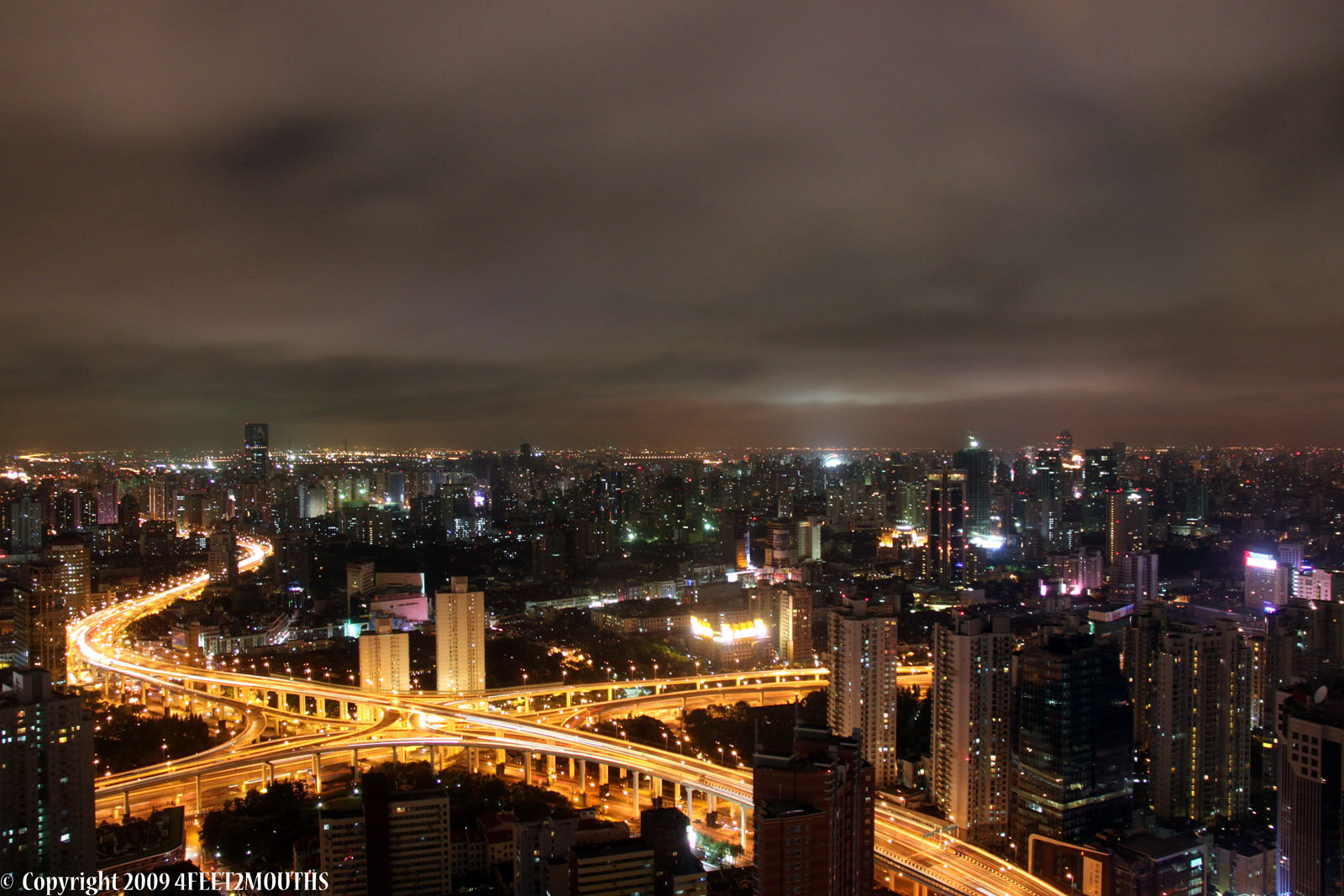
Shanghai nightscape (2009)

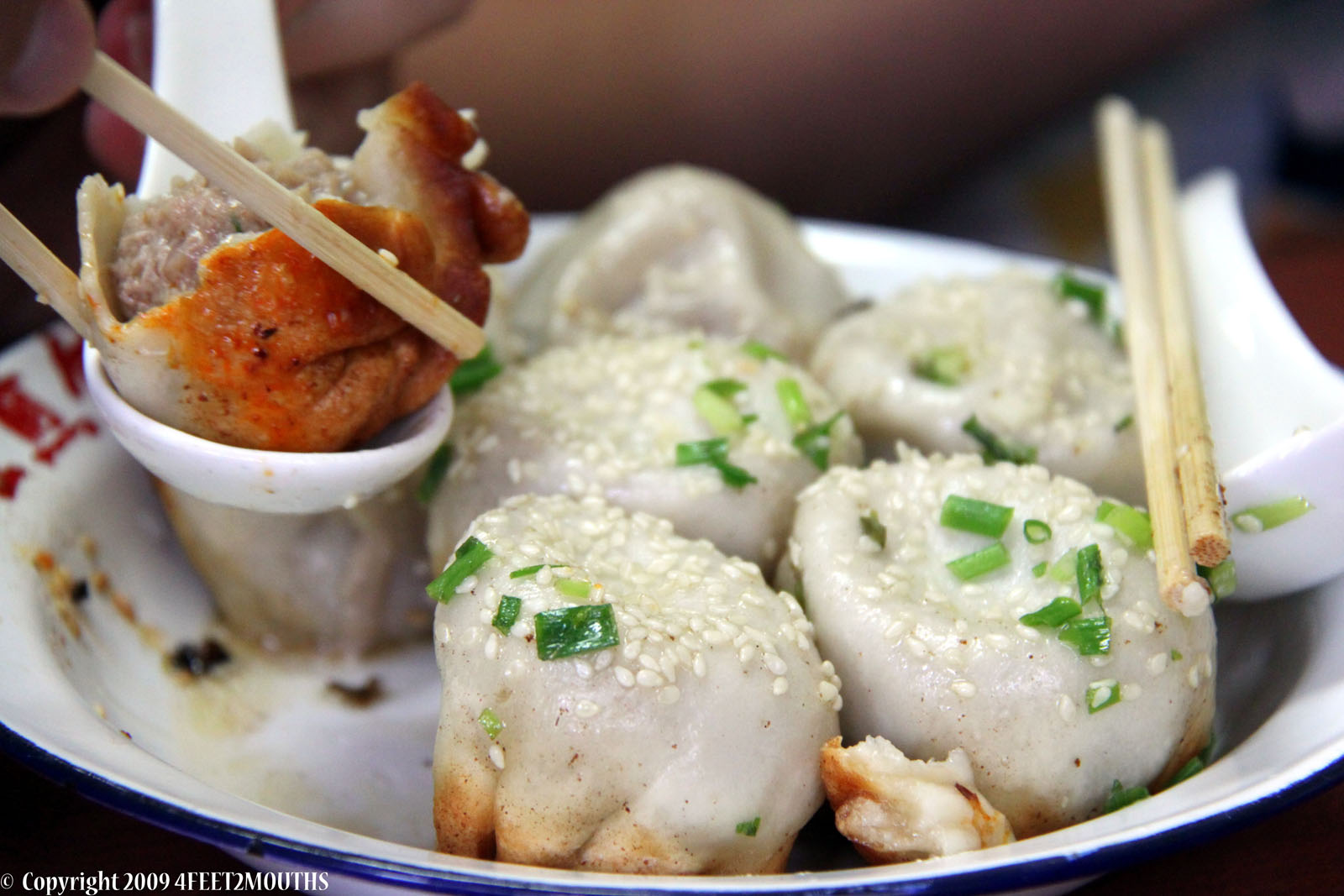
Pan-fried Soup Dumplings at Yang’s in Shanghai (2009)

Asia would not be complete without seeing more of the wonders of China.  Carmen and I fell in love with the authentic and varied cuisines during a vacation in 2009.  From then on we have been obsessed with Sichuan cuisine.  We are looking forward to hardcore negotiating at the markets, mouth numbing delights from street side vendors and, of course, much hand waving and pointing.

Hong Kong density (2009)

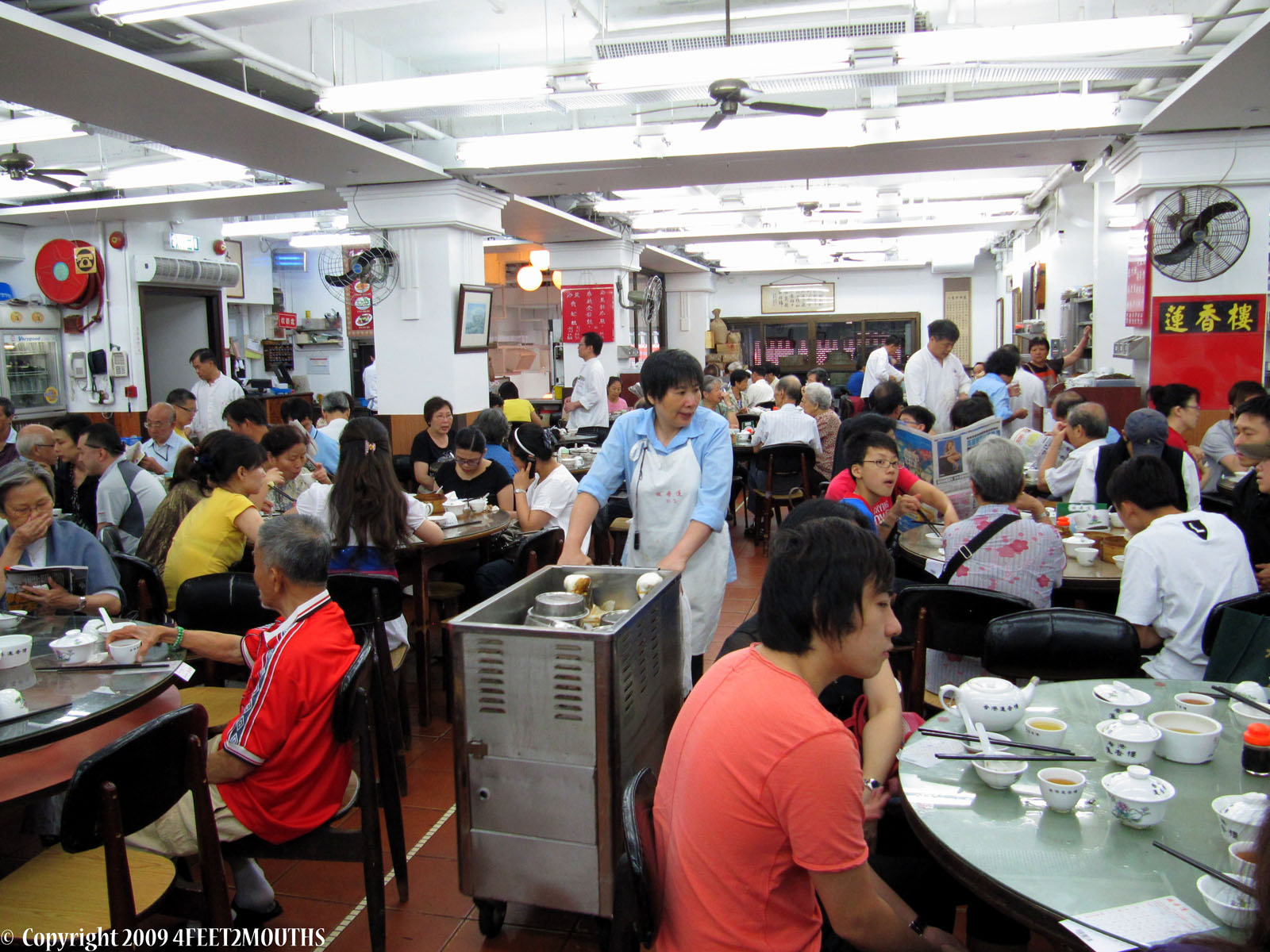
Dim sum craziness in Hong Kong (2009)

We could not forget Hong Kong!  This city packs a punch with more fifty story buildings than anywhere else, delicious food and a perfect blend of East and West.

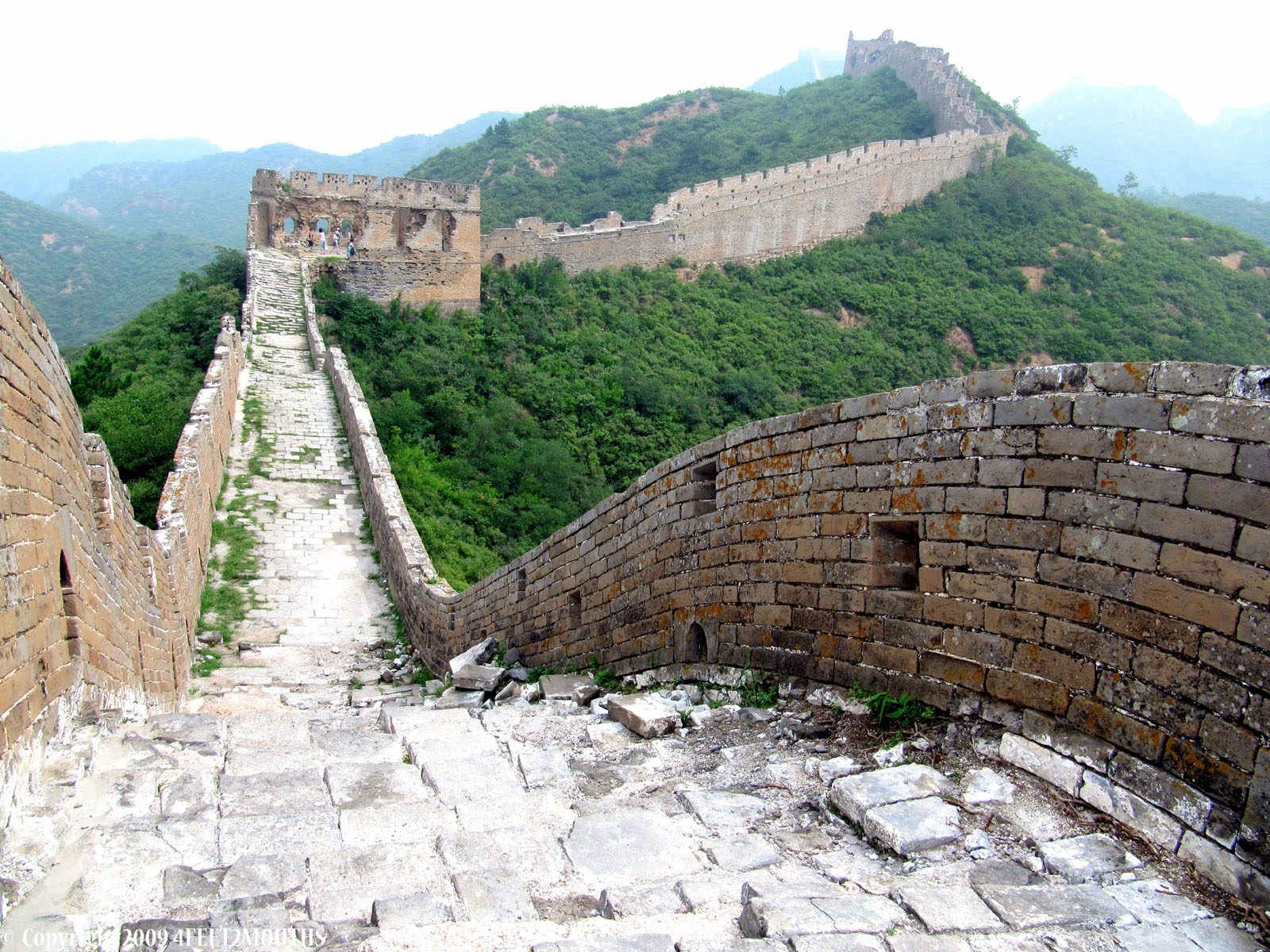
The Great wall of China (2009)

How about that for a year of travel?  We will explore four continents, over sixteen countries, all the while creating profound memories.  As much as possible we are going to try to meet up with friends along the way.  We will walk, we will eat and 4FEET2MOUTHS travels on – see you on the road!

Forbidden city cauldron handle (2009)

My South America Favorites + Returning “Home” (by Carmen)

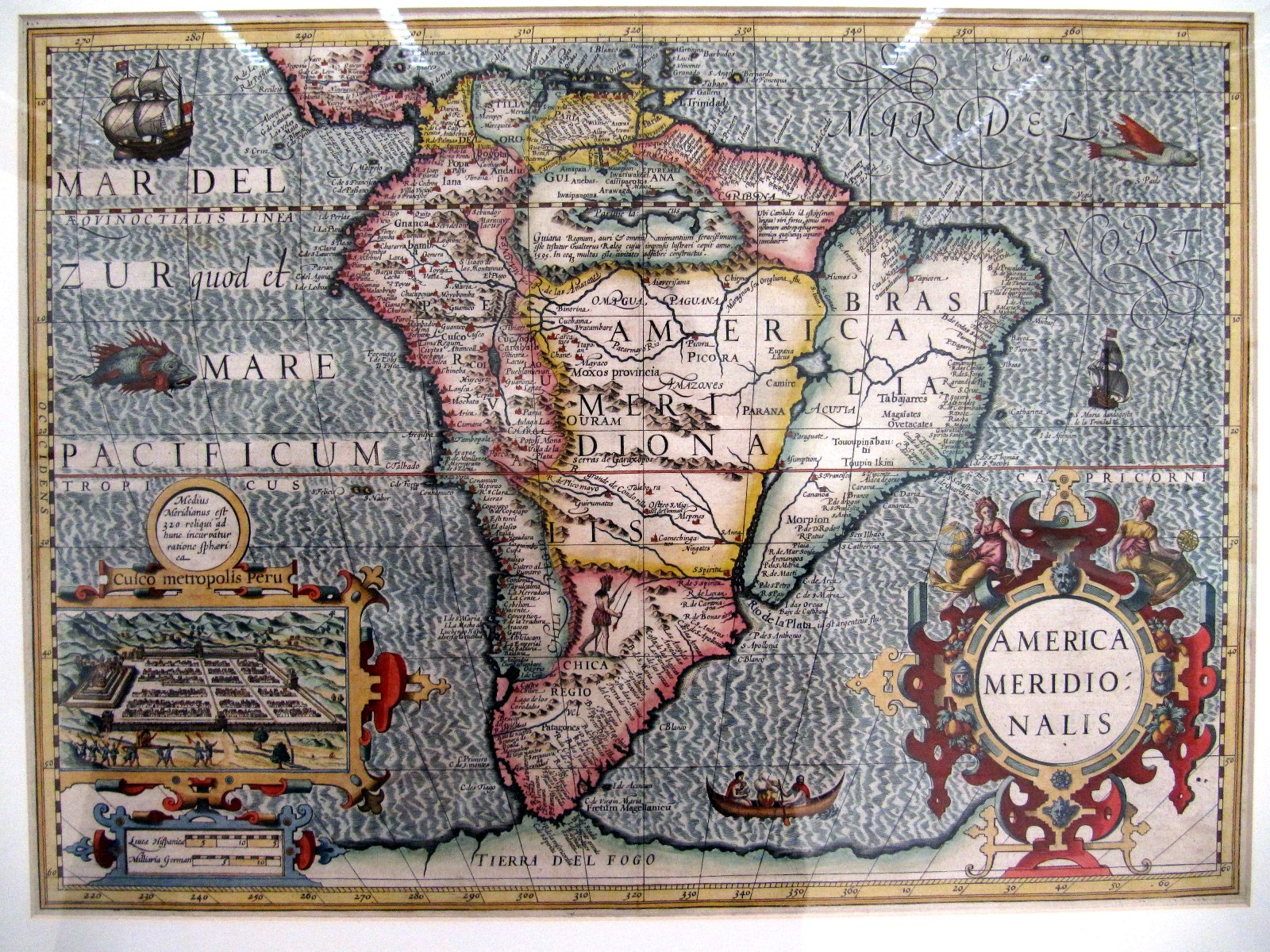
17th century map of South America

Our South America trip was better than I could have ever expected.  I loved practicing my Spanish, scouting out local cuisine, imbibing lots of caipirinhas and red wine, and observing the mix of old world and new world traditions.  One thing I hadn’t quite expected was the jaw dropping natural beauty, from jungles and beaches to arid, bushy plains; from huge cacti growing out of red rocks to stark Andean mountainscapes.  It was a collection of unforgettable experiences.

With that in mind, I thought I would get through some FAQs.  These generally begin with “what was your favorite…”.  So here are a selection of my favorites from my fifteen weeks down south.

Cafe Tortoni in Buenos Aires

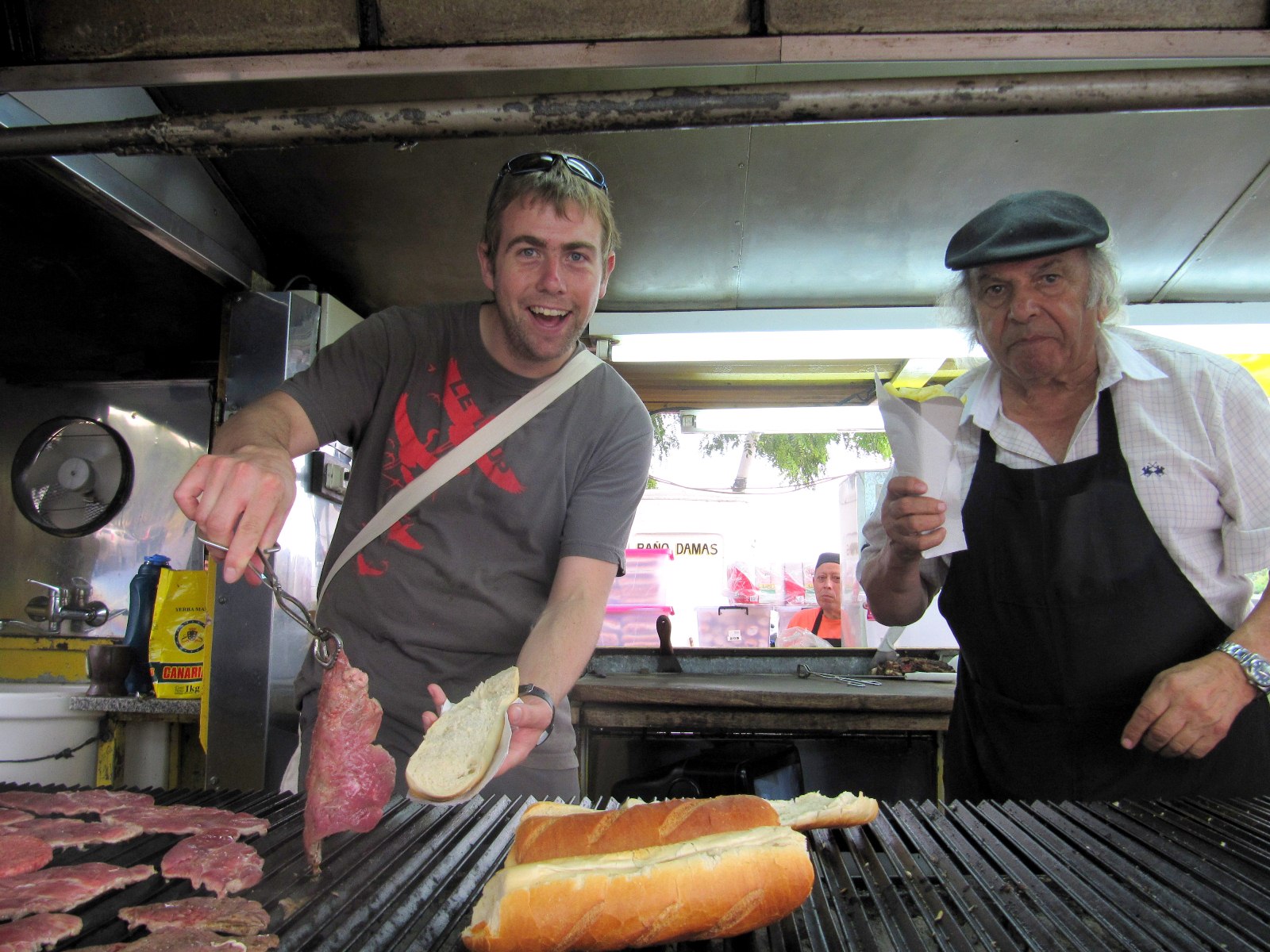
Nathan grilling up some lomito

Sifones used to store soda water

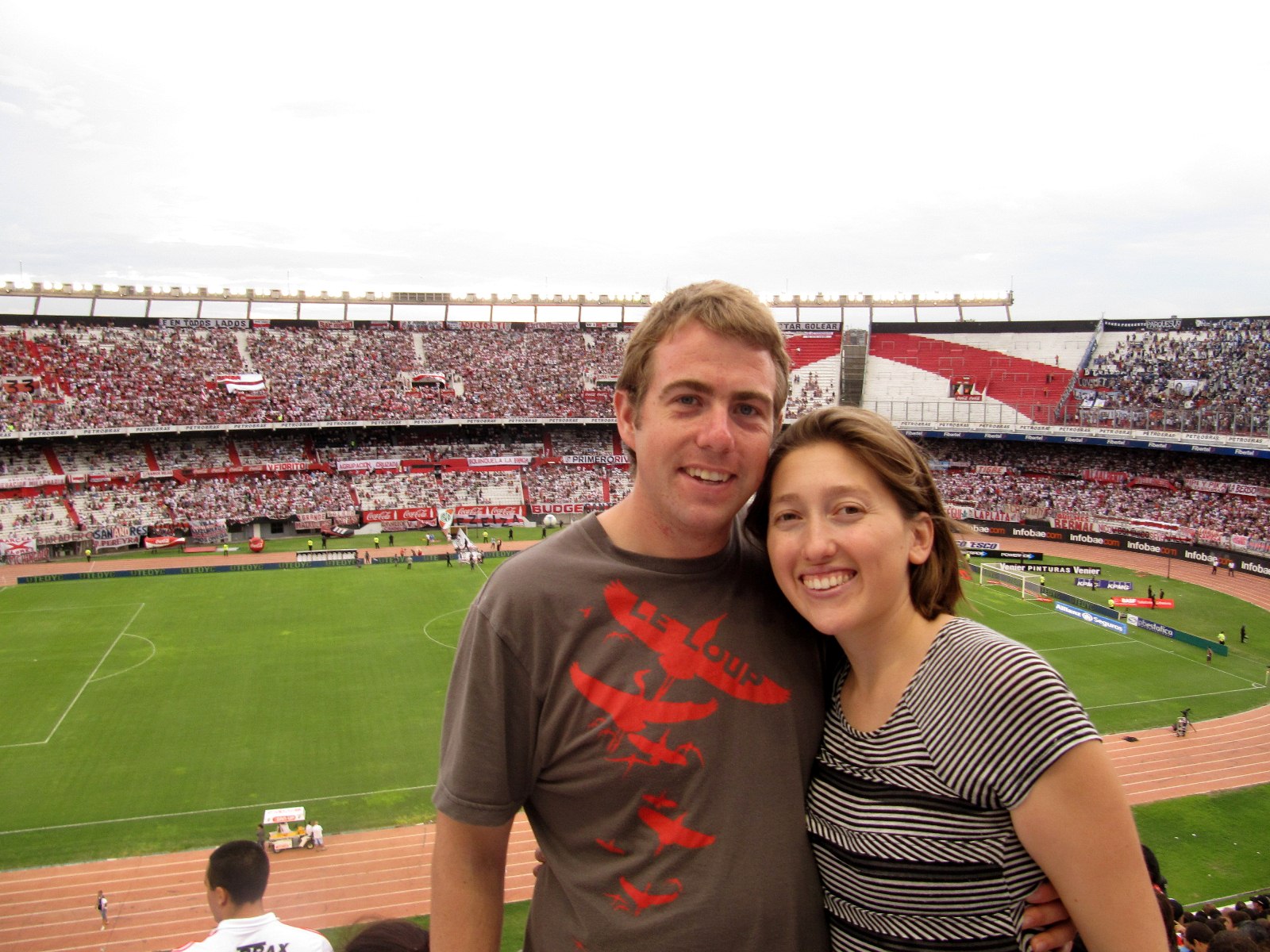
Fútbol fanáticos

Favorite City: Buenos Aires.  The city has a special lived in elegance to it.  I enjoyed the cafe culture, the pretty parks, and the slightly rough around the edges feel to it.  And the Argentinian accent, which uses a lot of soft “j” sounds, was incredibly endearing.

Cafayate View

Last rays of sun in the Cafayate canyons

Favorite Town: Cafayate. Good wine, yummy empanadas, an alfajores factory, a spacious main plaza, beautiful scenery and wine flavored ice cream…Cafayate instantly welcomed us.

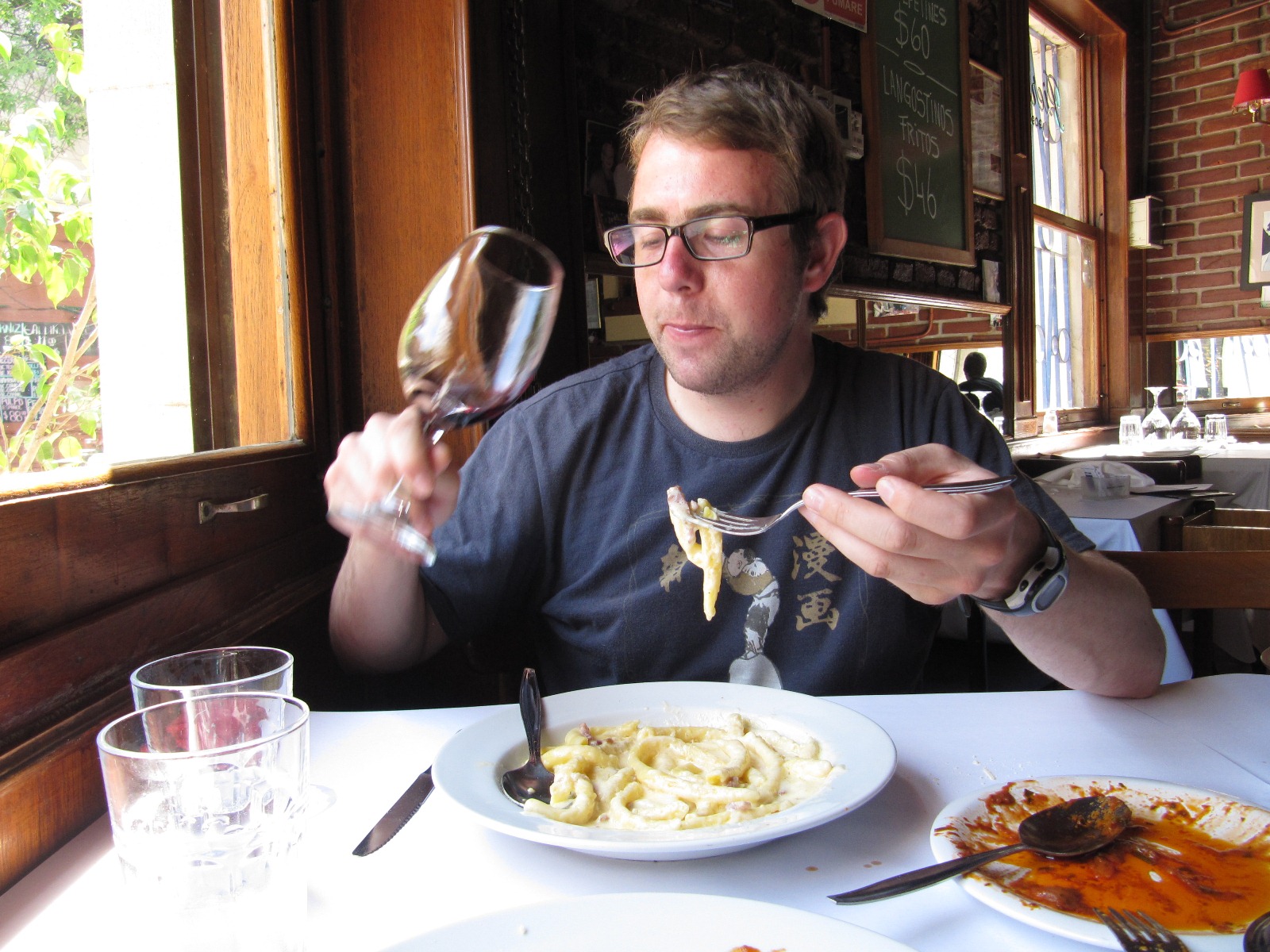
Pasta, wine, yum…at Pierinos

Quinoa salad at Market in Rio de Janeiro

Artemisia in Buenos Aires

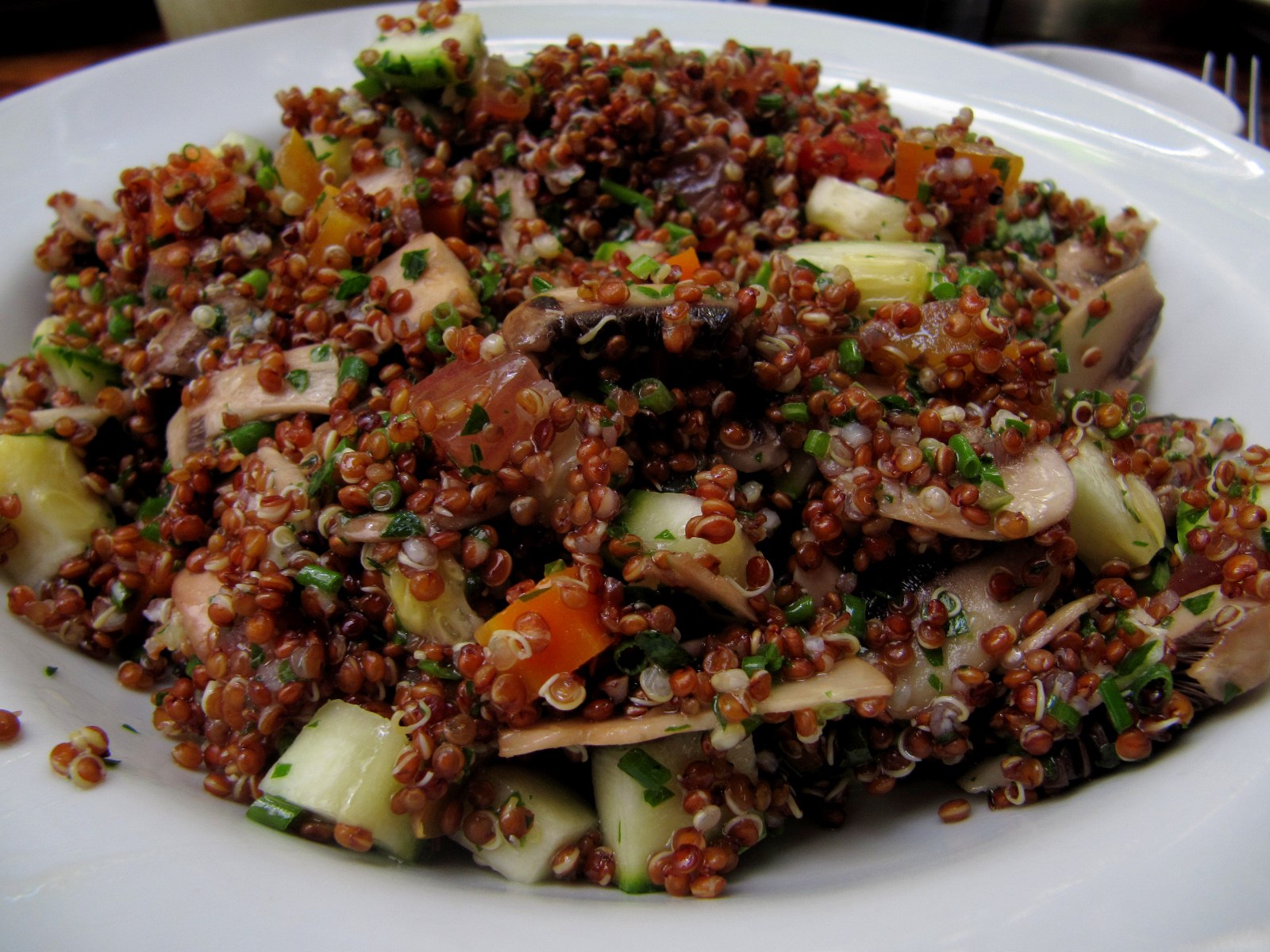
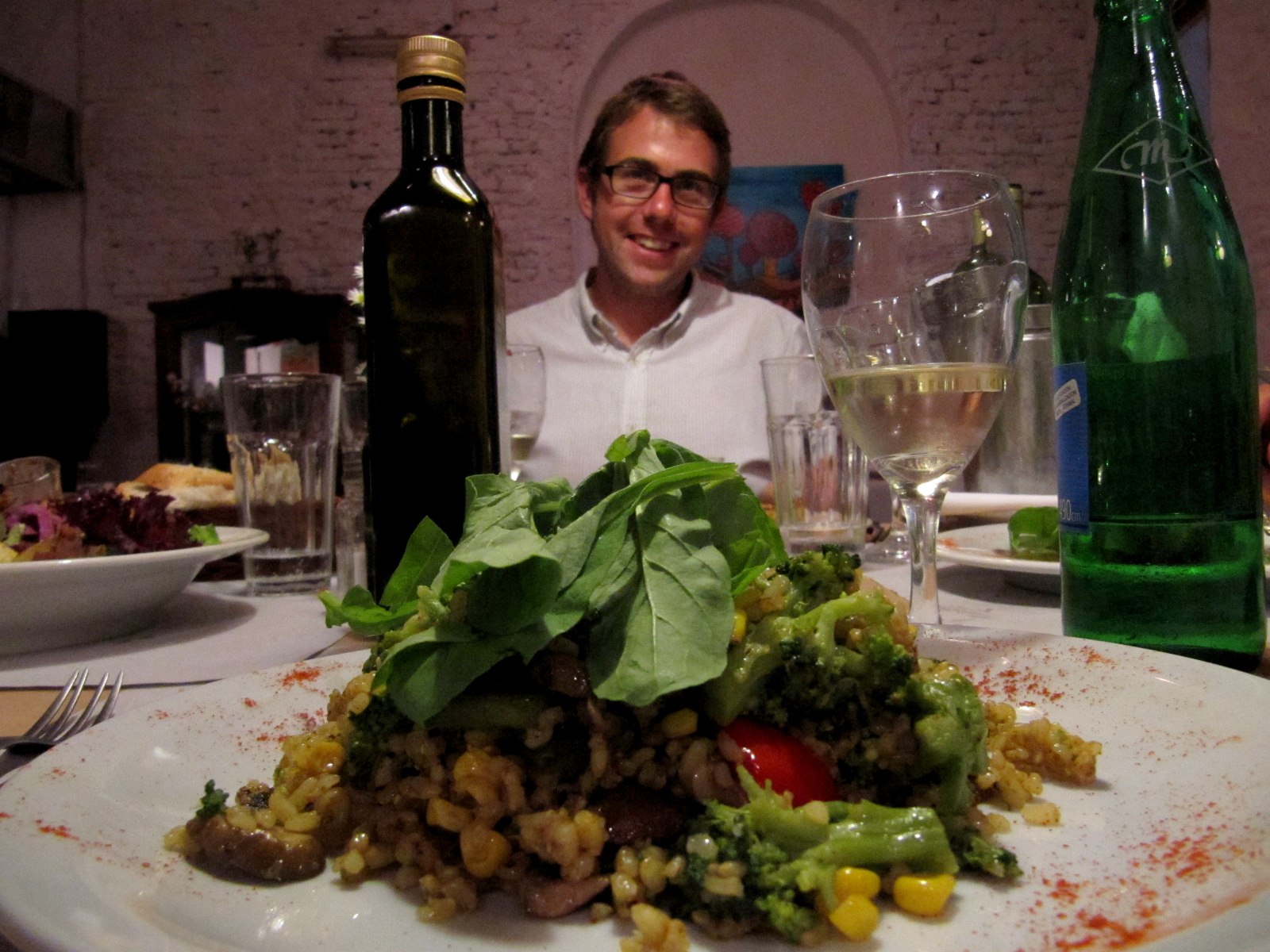
Favorite Restaurant: Pierinos.  I love pasta.  This is the third time I’ve mentioned it in this blog but the slow cooked sauces Pierinos slathers on its homemade pasta steal my heart.  Other favorite eats include Artemesia‘s mostly vegetarian fare, the fresh salads and smoothies at Market, any buffet in Brazil, and fresh ceviche in Peru.

Delicious fried trucha

Chicharron sandwich stand in Arequipa

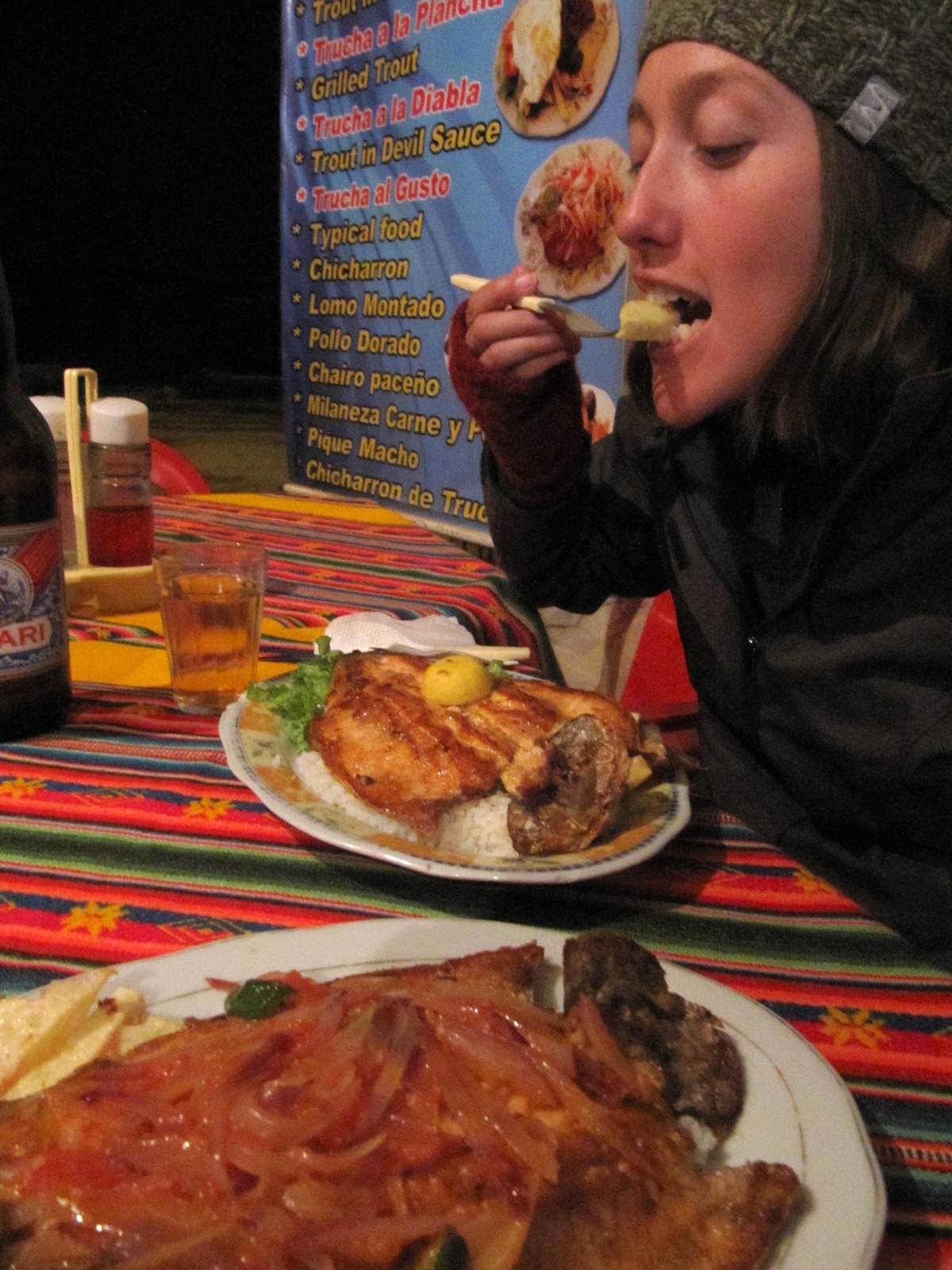
Favorite Hole in the Wall: Trucha stands on Lake Titicaca in Bolivia. So simple but so good with the fresh caught trout fried to perfection in garlic and oil. El Cuartito served my favorite pizza in Buenos Aires.  The lomito sandwich in cordoba wasn’t much to look at but was delicious and big enough for the both of us.  And then there was the chicharron sandwich Arequipa. Fried pork with spicy coleslaw is always a winner.

The spectacular Salar de Uyuni trip

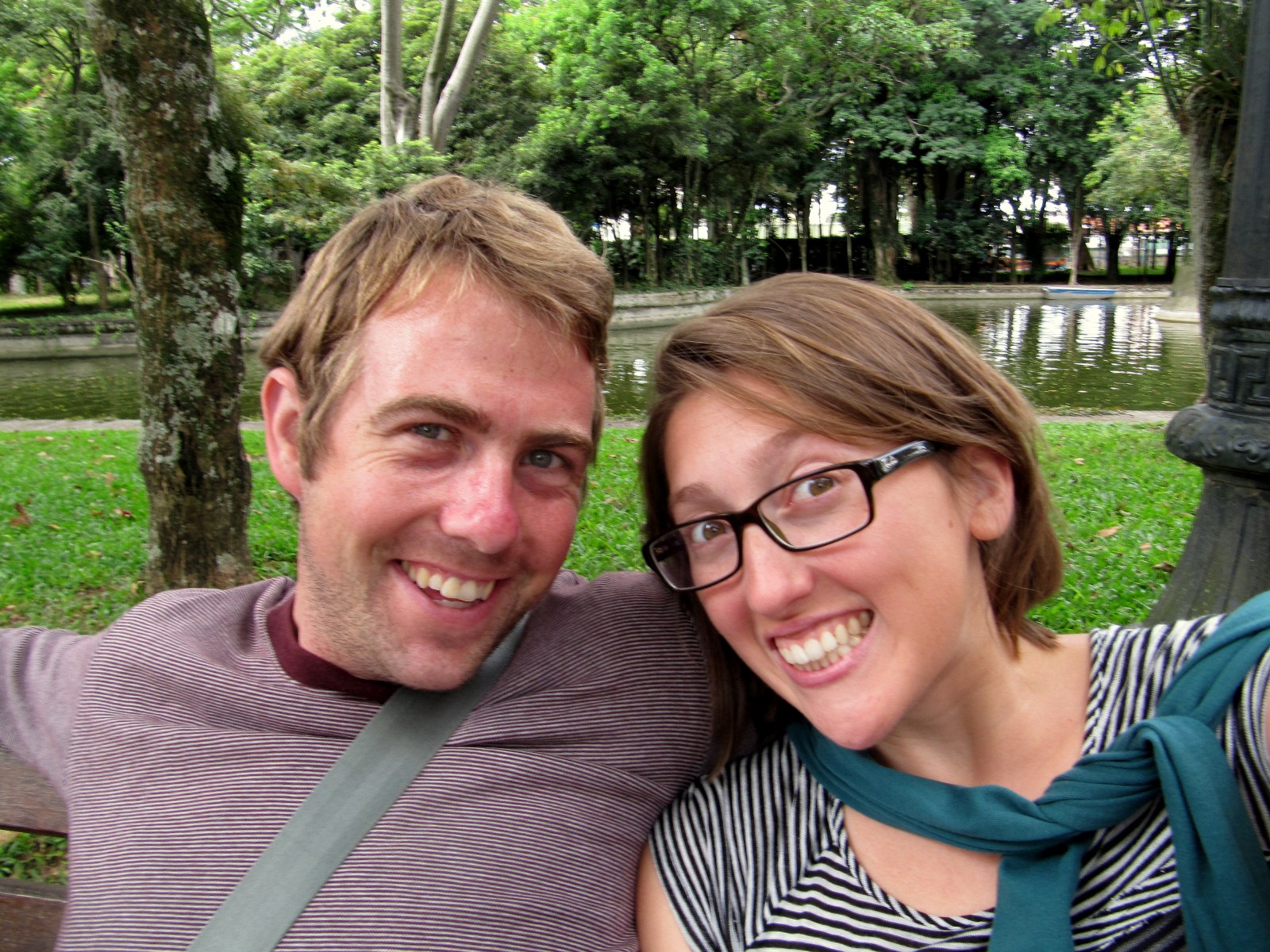
Nathan and me enjoying Bolivian scenery

Nathan the mountaineer on Salkantay

Favorite Sight Salar de Uyuni and Salkantay Mountain. We saw so many beautiful sights but it is the people you share it with that make it even better.  Therefore it’s a tie between the non-stop excitement of the salar de uyuni trip and the first view of Salkantay with old friends from San Francisco. Oh and Iguazu Falls too!

Wine and Cheese in Tafí del Valle

Schwarzwald beer hall in Curitiba, Brazil – I loved the mini stein in the big stein!

Favorite Drinking Experience: Wine and cheese in Tafí del Valle.  We brought a wonderful Malbec from Mendoza, sliced up some local cheese and sat on the porch of the historic villa we stayed at. Heaven.  I also loved collecting mini beer steins at the convivial German beer hall Schwarzwald.  And the most delicious caipirinhas I tasted were made by a Peruvian at Pepe’s Bar in Foz de Iguazu.

Bossa Nova in Rio de Janeiro

Marching band in Copacabana

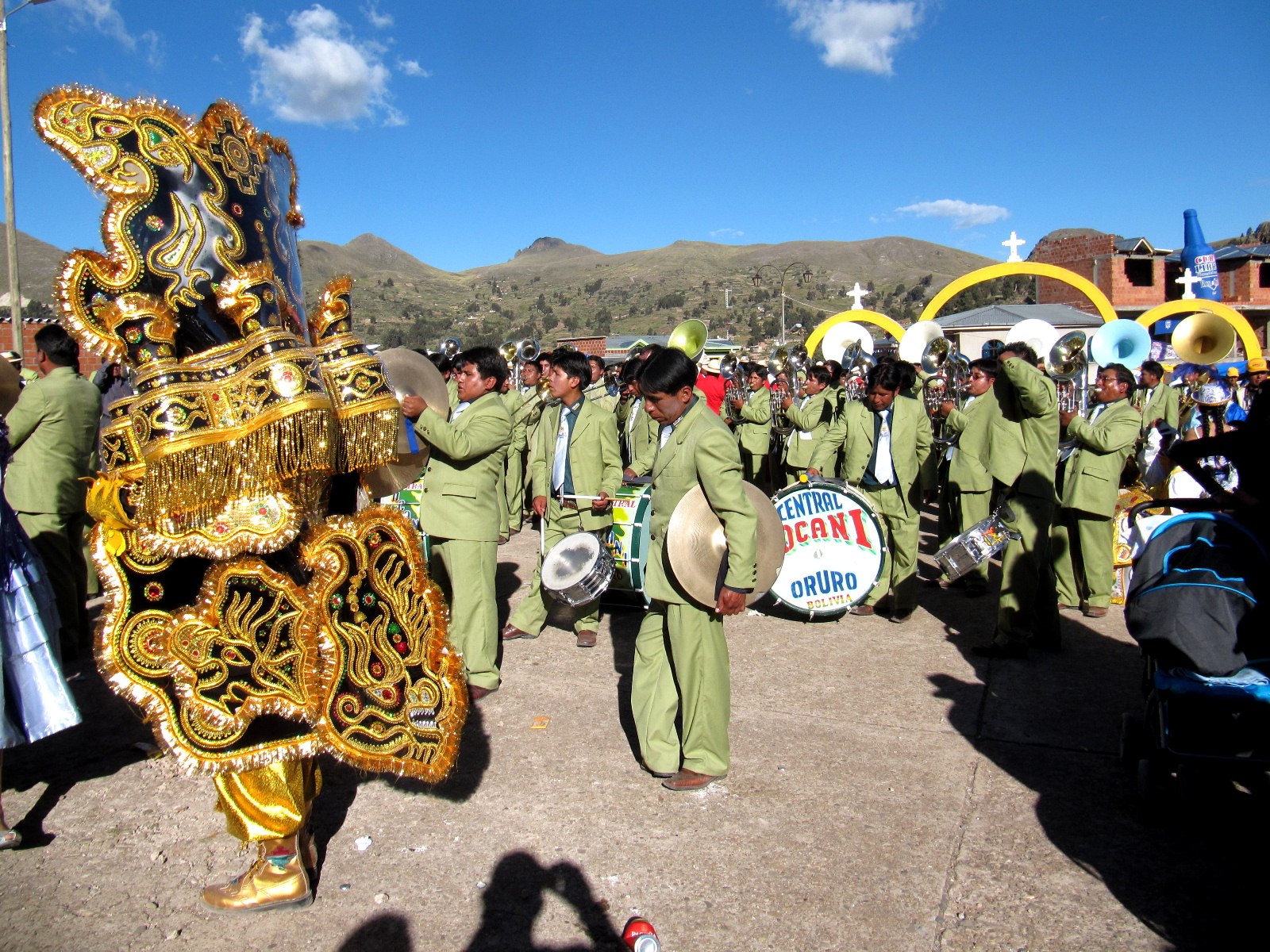
Favorite Live Music: Los Tabaleros performing at the hidden restaurant. The chef and his friends played the show at the secret restaurant my classmate’s roommates hosted.  I’m still happy I won the cd! Also enjoyed the classic bossa nova in Ipanema and the parade music at Copacabana’s festival.

Church roof in Potosí

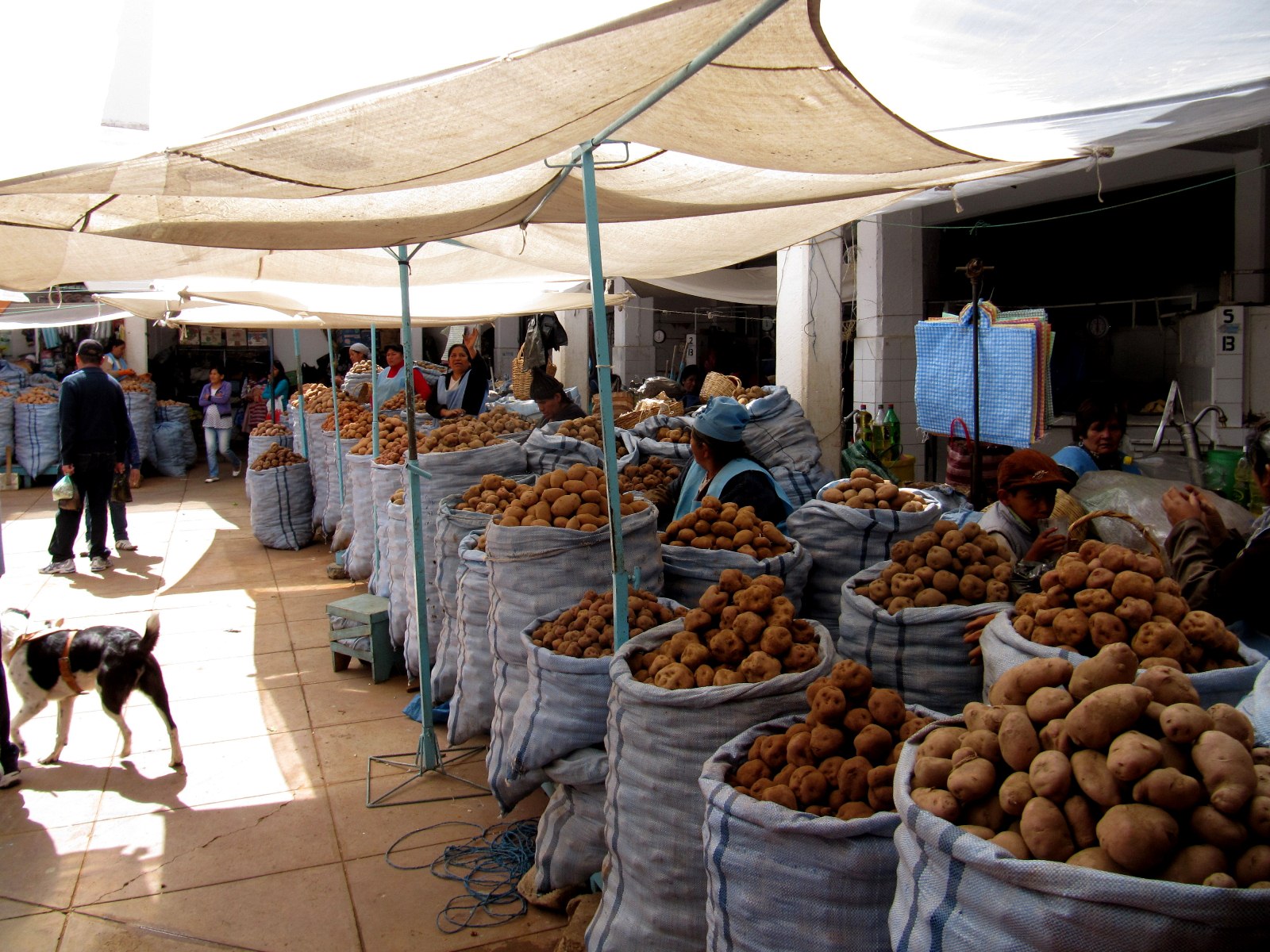
Potato peddlers in Sucre

Best Place to Go If You’ve Only Got a Couple Weeks: Bolivia.  The variety of the sights here is incredible!  You can enjoy lush jungles or cold windy mountains.  The people are friendly and helpful.  They keep the traditional culture alive and well.  And, importanly, it’s inexpensive to get around.

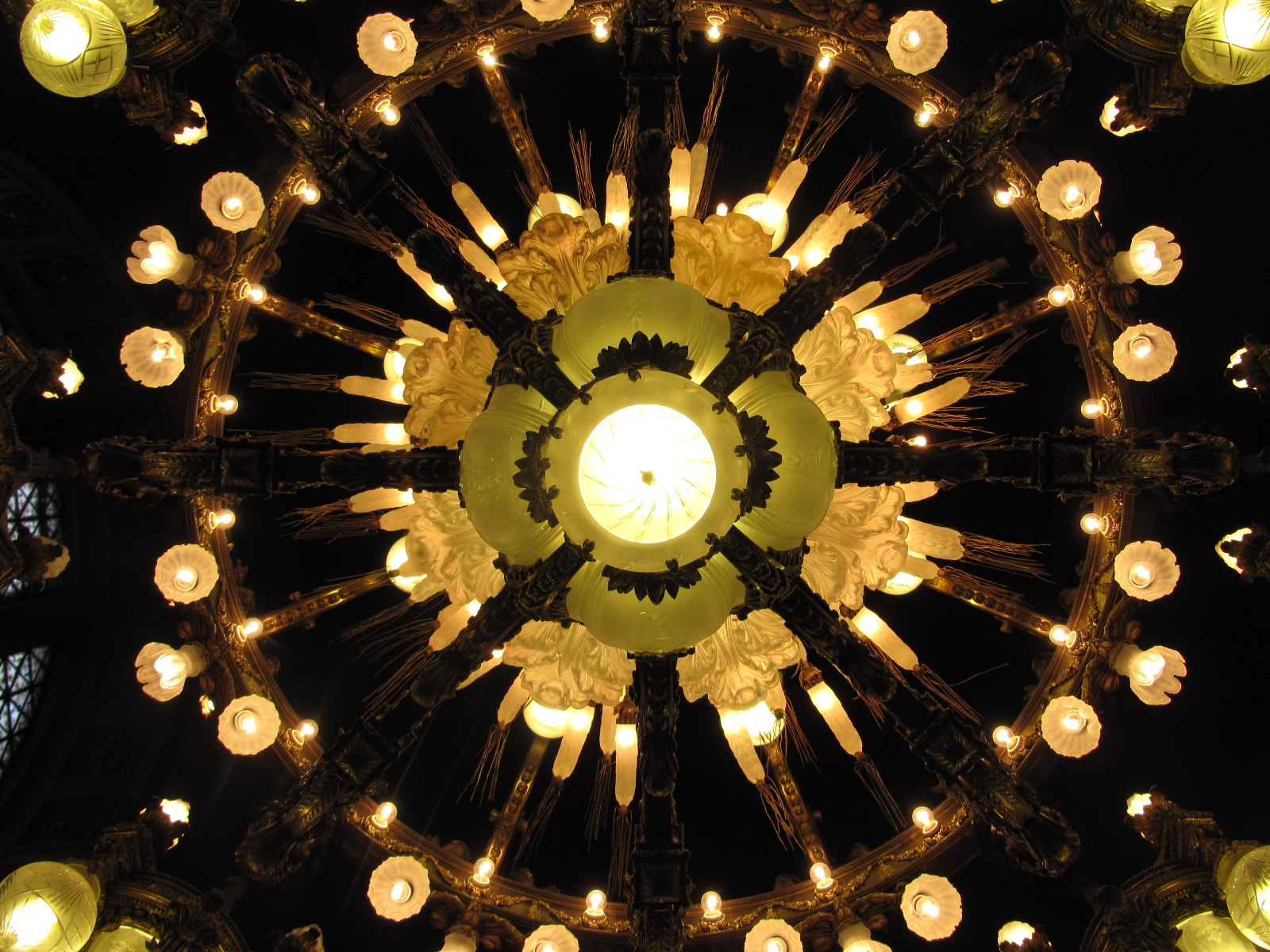
Chandelier in Argentina’s congress building

All the places we went and sights we saw, and there is still more to see.  I was sad to leave South America when there is so much more to explore. On the other hand, adventures in other parts of the world beckoned.

Dewy rose in Tafí del Valle

From Peru we returned “home” to California but that’s a tricky word for me.  If home is where the heart is, mine is rather split up. Immediate family in Southern California, close friends in San Francisco, extended family in Chicago.  And then there’s the part of my heart passionate about travel, which creates an itch to make a home in new places.

So the final and most popular FAQ, “What’s next?” Should we travel for the entire year? You’ll have to read the next post to find out.

Where oh where will we go from here?

Northern Migration (by Nathan)

Recoleta Cemetary

In January I began my southern migration. I escaped the constant 60 degrees of San Francisco for the sun and summertime of South America. I was excited to begin work on improving my Spanish and I was ready to live and travel through countries and cultures of which I had only a cursory knowledge.  The plan was to roam from city to city with an open mind, a loose pocket book and a constant curiosity to explore and enjoy the differences in these countries.  After four months of adventure, Carmen and I would return to California ready to embark on another journey.

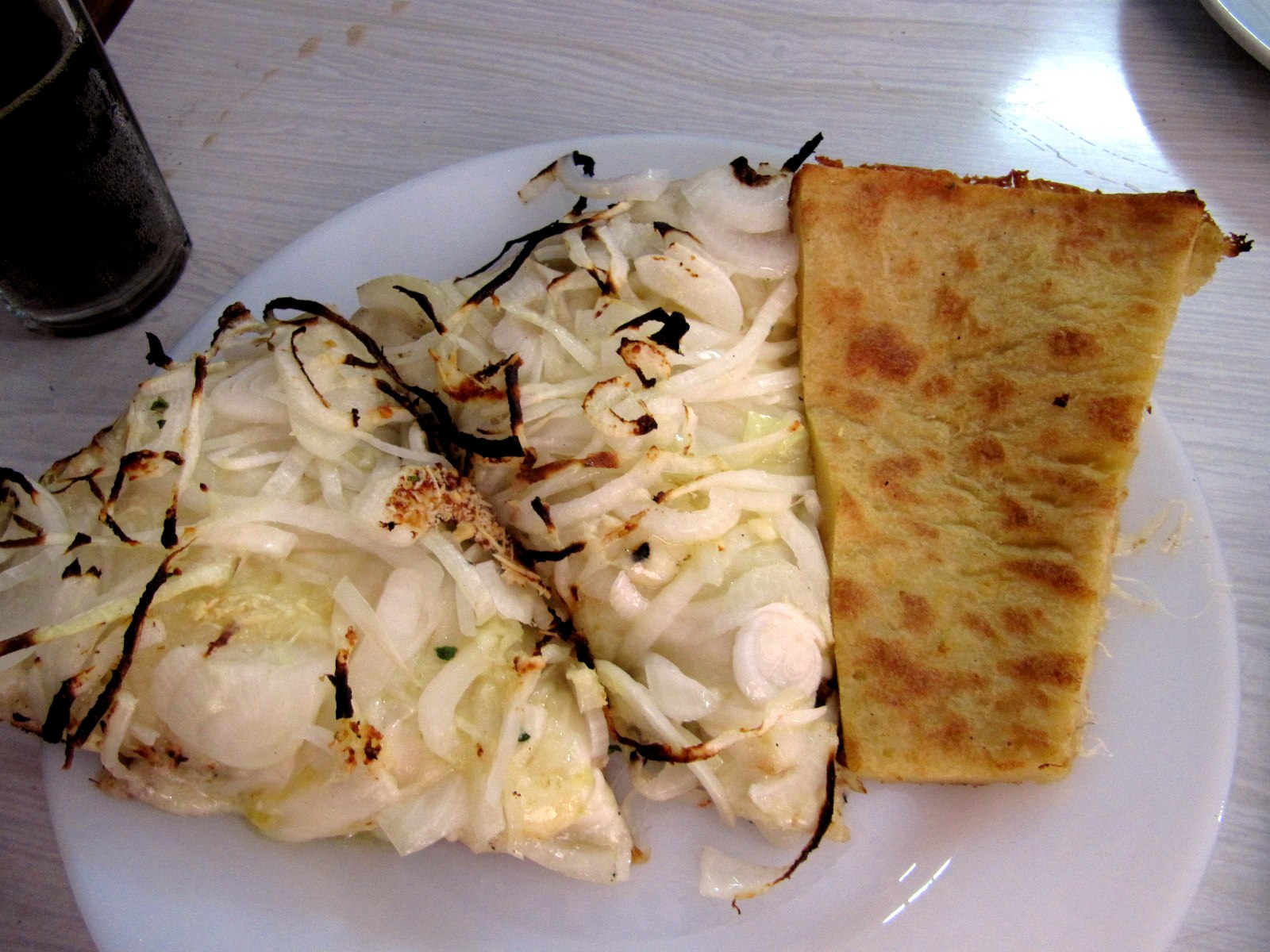
Fugazza and Faina Pizza

Açai breakfast

Our trip began in Buenos Aires with food, activities and cultures that stood up to any great city. The fugazza pizza was deliciously unique with thick doughy crust, creamy cheese and heaps of oven caramelized onions.  El Cuartito was the best, and I think Rick agreed. I would return for the pizza and empanadas and all the beautiful streets that BsAs has to offer.

Sunset on Ipanema Beach, Rio

Carmen and the sands of Rio

We traveled through Uruguay and into Brazil. Rio de Janiero was everything that I love in a travel destination. Beaches stretched endlessly with the urban landscape pressed right up against the sand.  The culture is vibrant with dance, music and tropical foods.  The açai and fresh fruit drinks stand out as an epitome of fresh summertime delights. The country is a mix of indigenous, Europeans, Africans and Asians, a familiar mix to the United States so we felt welcomed as foreigners.  We could swim, climb a mountain and go dancing all in one day.  I enjoyed gaining a better understanding of the favelas as well as peering down into the city from the many vistas.

Fun at Lapa steps

Iguazú Waterfalls

We worked our way through Brazil’s vast landscape.  We visited the breathtaking waterfalls in Iguazú that roared unbelievably over the cliffs edge. We baked in in the sun on Ihla do Mel on coastal Brazil and we jointed friends in Santiago Chile.  We bussed our way over the Andes into Mendoza for a day or two (or three) of wineries, biking and empanadas. We explored German settled villages and the bigger cities of Córdoba and Salta. It was the canyons that really captured my heart.

Fun light fixture at our hostel

El castillo en Quebrada de Cafayate

Another one of my favorite cities was the charming Cafayate in Argentina.  We sipped wine at several walk able bodegas. We hiked through beautiful canyons and cliff formations.  And most often, we enjoyed strolling through the cozy town.  With a simple town square and food market our time here was relaxing and satisfying.

Jumping off rocks at valle de rocas

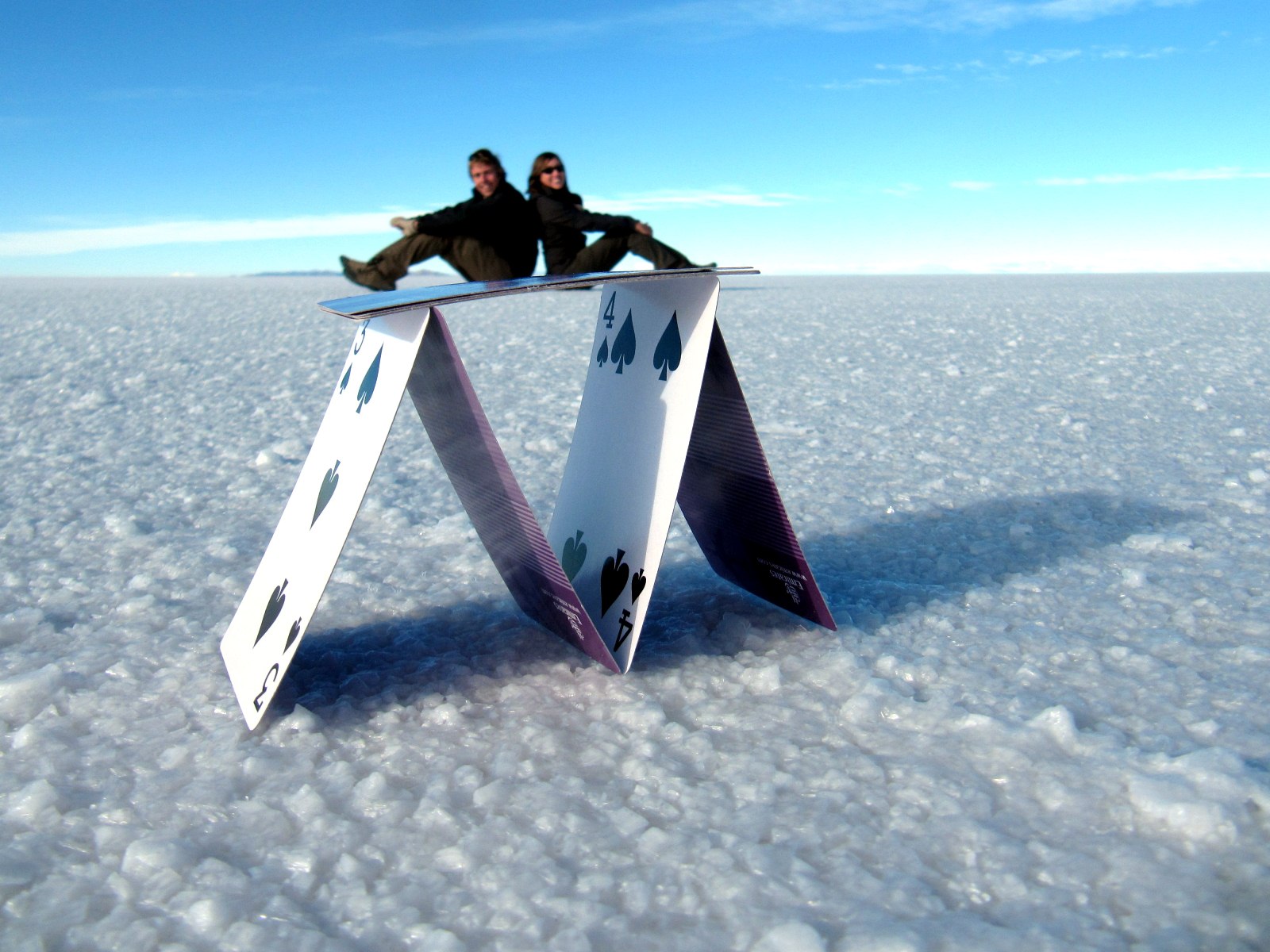
Fun on the salt flats

Another bus brought us into Bolivia. The country is poor with struggle, but thriving with cheap delicious food, unforgettable sights and nice helpful people.  One of my favorite experiences of the entire trip was the four day trek into the Salar De Uyuni.We visited brightly colored lagoons, spectacular volcanic rocks and salt flats that made us act silly with our new friends. The home-cooked Bolivian food was excellent and every day I wanted to take the little woman home with me to teach me everything she knows in the kitchen.

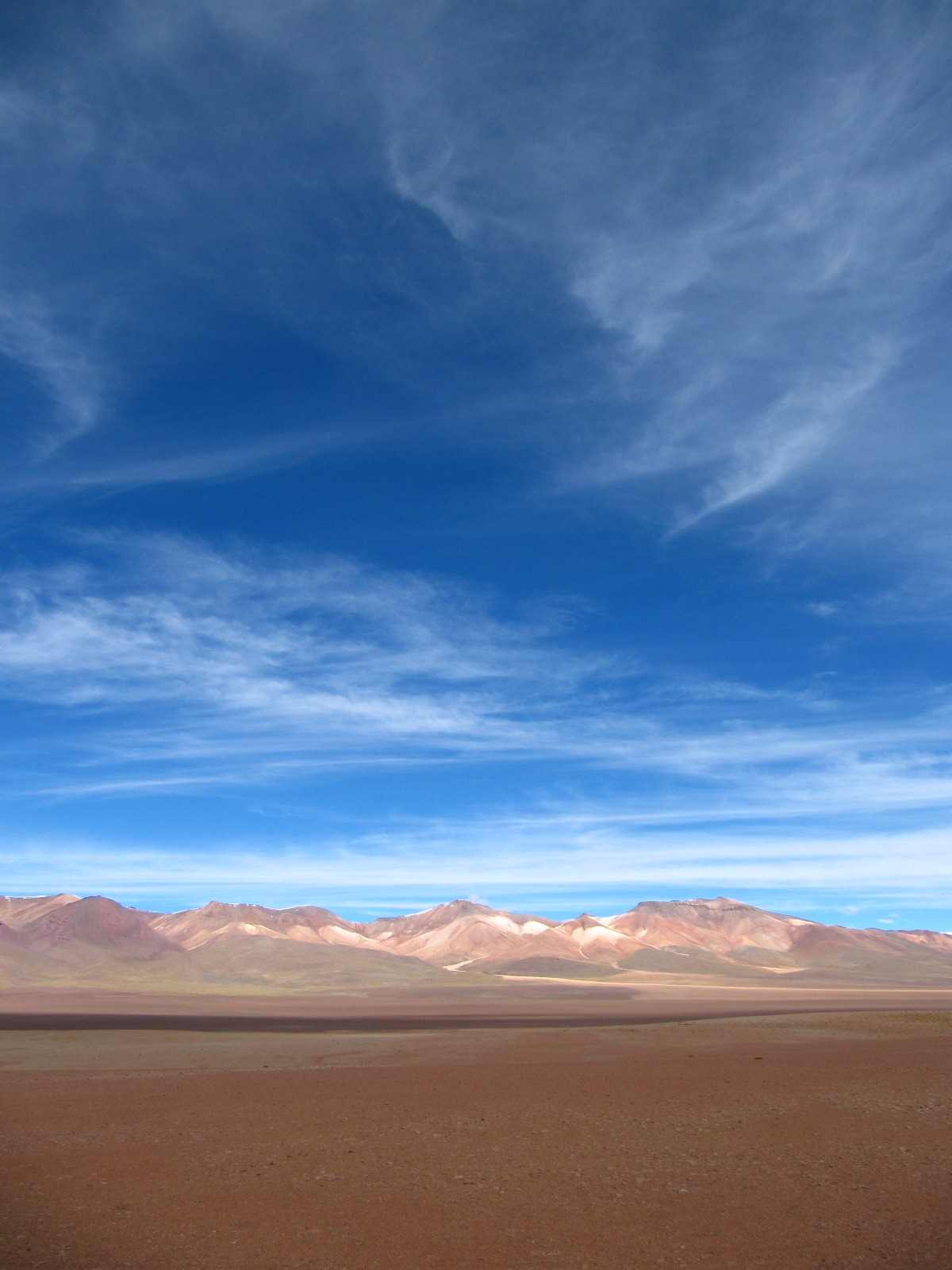
Painted desert in Bolivia

Salt harvesting

We continued high into the mountains. The cities of Potosí and Sucre were wonderful places to learn about Bolivia, South America and the indigenous people that lived here for thousands of years.  La Paz contained the best market that we experienced in South America.  This was because the stalls could not be contained by any building and instead flowed out on the streets in every direction.  It was mayhem and delight simultaneously. I loved it!

The best market streets is in La Paz

We biked down mountains in La Paz and hiked islands of Lake Titicaca. A festival in Copacabana engaged our feet and sent us running for cover from fireworks.  Bolivia has a rustic, untamed, and raw quality to it that flaunts colorful traditions with people that are genuine and kind.

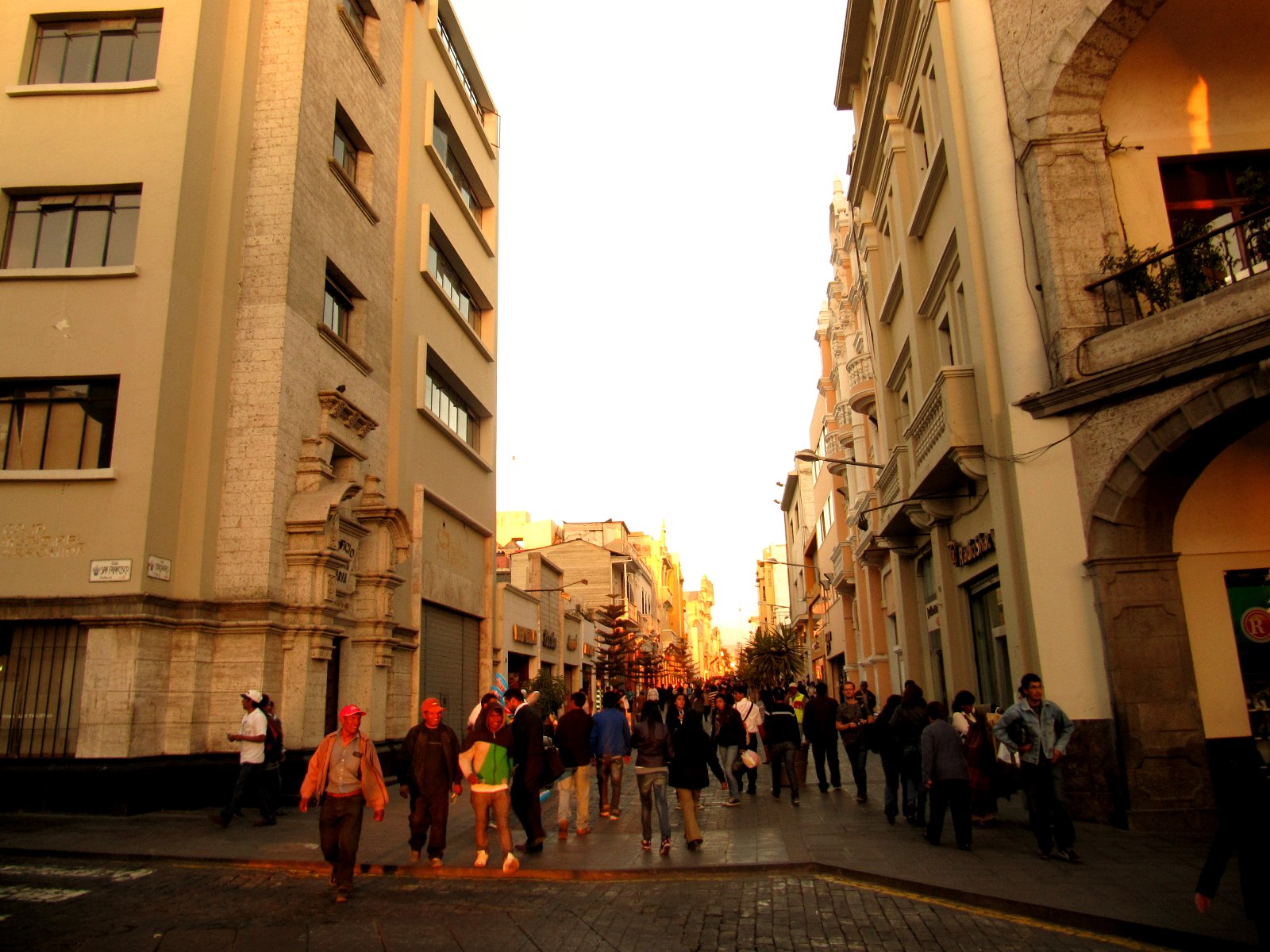
Street in Arequipa

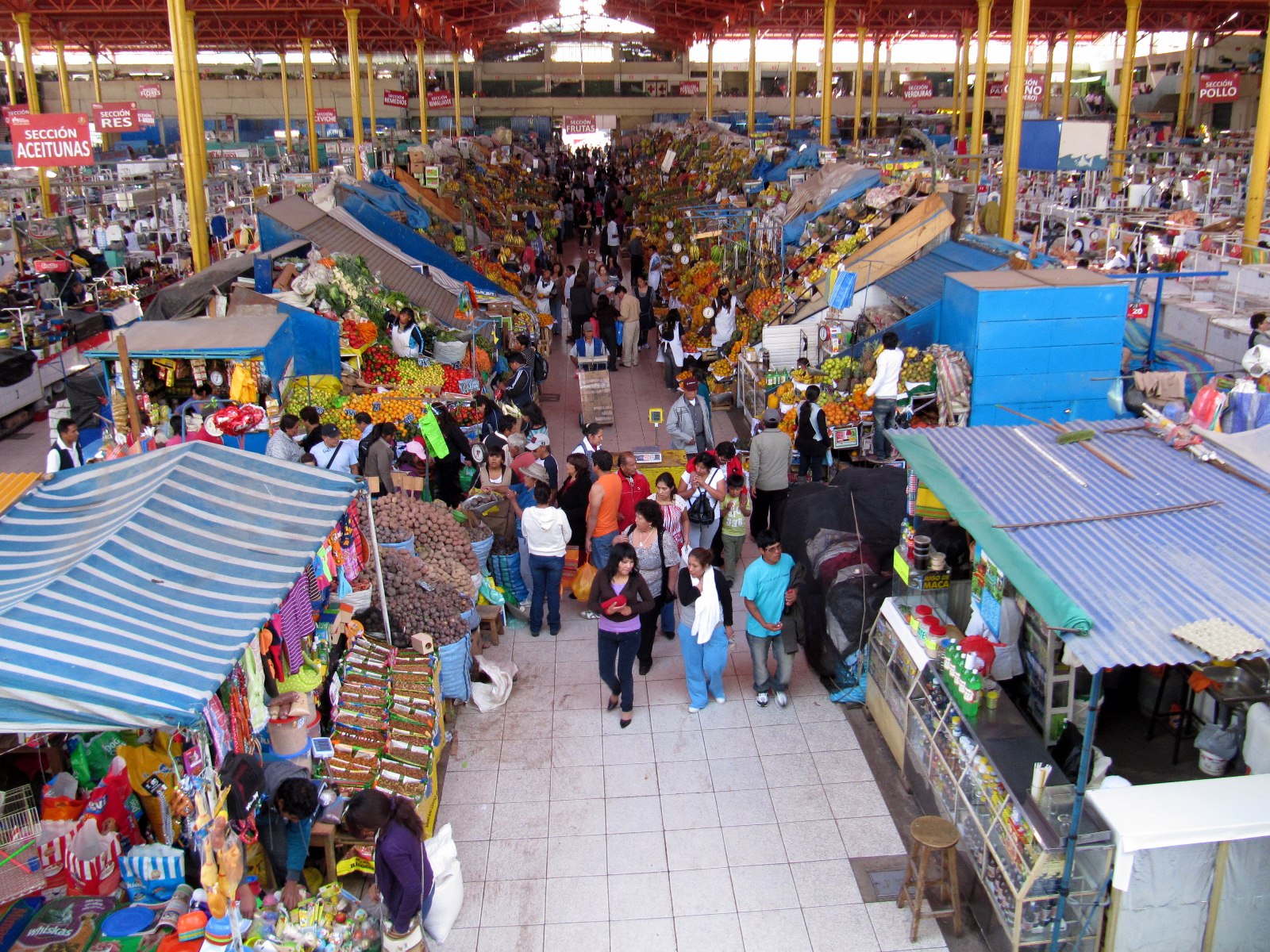
When we had finally made our way into Peru our bellies began being stuffed to the brim with constant feasts of amazing food.  Arequipa was the best food city we went to in South America.  There was ceviche, alpaca, rocoto rellenos, chicharrones and fresh fruit smoothies. We found something delicious everywhere we went.  The city had beautiful architecture and the nearby Colca Canyon was great for hiking.

Arequipa food market

Our history lesson continued when we finally arrived in Cusco.  The city is packed with nearby ruins and a brutal history where the mighty Incas were decimated by the Spanish. One downfall of Cusco and Peru is that very few sights have accessible tourist information.  There are an abundance of guides, that costs, entry fees are high and there are many sights to see which makes Peru a challenge for tourists on a budget.  But with friends it is all worth it.

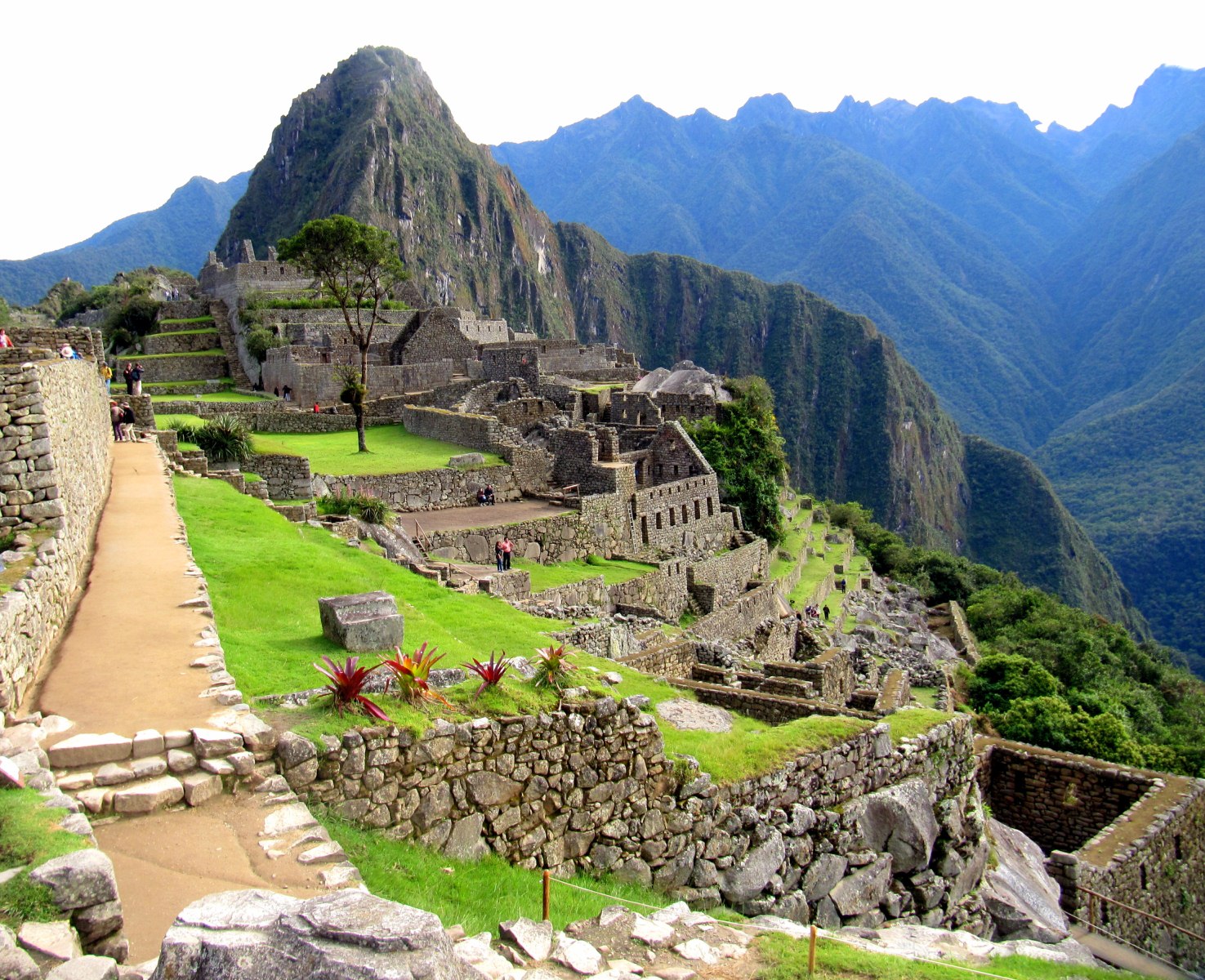
Machu Picchu

On our Machu Picchu trek we went all out with excellent cooks, porters, equipment and a guide.  I think I liked the walking and hiking just as much as the ruins.  We walked for six days climbing snow covered passes, jungles and high altitude wetlands.  We stuffed ourselves on Peruvian favorites and we laughed until we hurt playing card games into the night.  We wondered around countless ruins out doing one another in jumping photos and we caravanned up and down the mountainsides. Machu Picchu in itself is a spectacular piece of history and archeology.  We combined it with Salkantay, the Inca Trail and friends for an unforgettable adventure.

Carmen patiently waiting for me to finish the photo

Our final city in Peru was LimaThe time spent there was brief, but the amounts of ceviche consumed copious.  Ponte de Azul ceviche stands out as one of my favorite meals.  The fish was firm and fresh and the juice sour and spicy.  In the blink of an eye Lima was over and we were boarding a plane saying goodbye to this Lima, Peru and South America.

Every vacation involves exploring new places, having adventures and creating memories.  The challenge and fun of any vacation for Carmen and me is that we leave with a longer list of places to see and immerse ourselves into next time.  Our next trip to South America would focus on exploring the natural side of this continent.  Patagonia tops our list of “must sees.”  We did not want to lug around our carpas and sacos de dormir (tents and sleeping bags) this trip.  So next time we plan on several weeks of hiking and back-country camping.  We want to see the coasts of Peru and Colombia known for beautiful beaches.  And finally we want to see more of Brazil- Belem is supposedly vibrant and bountiful with Amazonian foods and culture.  In no way did we calm our enjoyment of Brazilian rhythms and dance; we want more samba!

Outside the airport, our last minutes in Peru

There are so many places to visit; each city or village opens new possibilities of adventure.  We walk everywhere and we eat everything; that is what 4feet2mouths is all about.  Our love for travel has taken us to the other side of the world.  And as fall sets on South America we land in Los Angeles ready for new adventures, more exotic countries, more tiring hikes and street food that will leave our mouths searing and tingling.  Traveling is too much fun to stop now.  Do you want to join us?

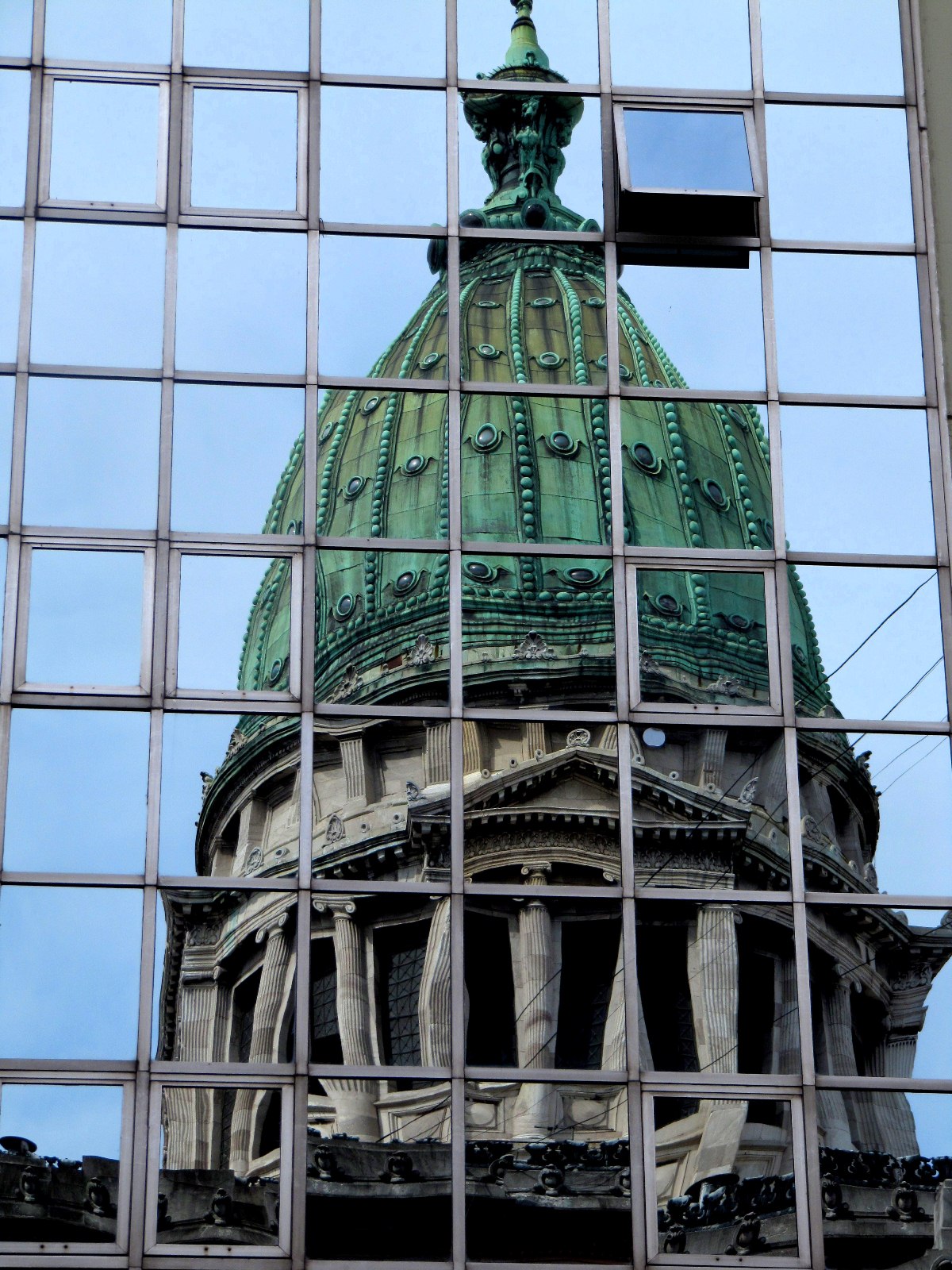
One of my favorite photos: Congresso reflection, BsAs

36 Hours in Lima (by Carmen)

The buck stopped here.  Our last stop in South America was Lima.  We had intended to spend more time in Peru’s capitol city, but the way things worked out we got about a day and a half.  So we tried to make the most of it.  It was kind of fun to finish off our trip with final rush of food and fun.

Ceviche at Pontal Azul

Arroz con mariscos at Pontal Azul

Our first stop after dropping off our packs at the hostel was more ceviche!  We went to a convivial restaurant called Pontal Azul in the Miraflores neighborhood.  Lima is right on the ocean and this, combined with the modern amenities of the neighborhood, made us feel like we were in California again.  Its coastal location also makes for supremely fresh seafood, and this ceviche didn’t disappoint.

Huaca Pucllana ruins

Next we visited a small set of ruins nearby.  The Inca get most of the attention from the west since they were the ones in power when the Spanish came.  But in fact that empire was only a few hundred years old and many civilizations existed before them.  A series of these previous groups were responsible for this slightly strange set of ruins, which is essentially a large hill built of stacked bricks.  It took several hundred years to build with each society adding layers upon layers.

Downtown plaza

Breakfast at Tanta

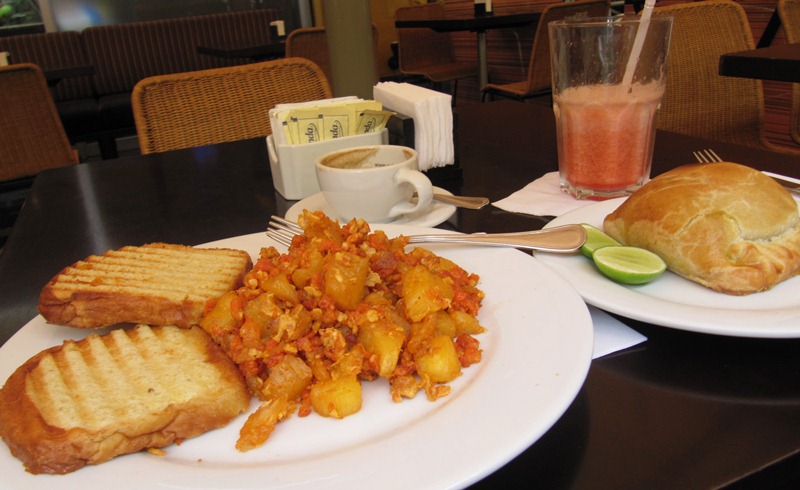
The next day we went straight to downtown.  Our first stop was Tanta, a restaurant owned by Peru’s star chef, Gastón Acurio.  We weren’t planning to go here but we accidently missed the breakfast at our hostel.  This turned out to be a very good mistake.  I ordered eggs scrambled with fried yucca and chorizo along with some coffee mixed with honey.  It was to die for.  My mouth is watering just thinking about it.  I love fried yucca.  Its starchiness was perfectly balanced by the spicy oil in the chorizo.  Nathan, meanwhile, had an an empanada stuffed with aji de gallina, a kind of chicken stew made creamy nut-based sauce. He accompanied this with an excellent strawberry and passionfruit smoothie.  I would definitely go back.

Dinner at Astrid and Gaston

We spent the next couple hours exploring the old center.  We visited a monestary with a crypt full to the brim of old bones.  They estimated the remains of 50,000 people were kept there.  Afterwards we snuck in some more ceviche at La Choza Nautica, which was good but not as good as Pontal Azul. We then hurried back to Miraflores for a sunset beach stroll before meeting our friends Brenda and Drew for dinner.  Based on the excellent experience at Tanta, we decided to eat at Gaston’s other restaurant, Astrid y Gaston.  It was a fight to get a seat, but we finally managed to eat at the bar around 10pm. The verdict – it was ok.  The food was well executed but, as Nathan put it, it lacked love.  Too bad.

Cevicheria la Choza Nautica

Our final morning in Lima we enjoyed a leisurely breakfast at the hostel and then piled in a micro (one of the minivan buses) on our way to the airport.  It was time to go back to California. I had mixed emotions about leaving South America but that will be the topic of another post…

Much Ado About Machu Picchu – Part 3 (by Nathan)

There is so much hype about Machu Picchu.  Of all the tourist activities to do in South America, this one set of ruins seemed to be on the top of everyone’s list. The archeological site is very accessible with a short tram ride from Aguas Calientes. Carmen and I wanted to expand upon a one day visit to Machu Picchu, and thus we embarked on a six day journey that traversed the hillsides of Peru covering a distance of over sixty miles and four high altitude passes two of which exceeded 14,000ft.  Our lungs and our minds were functioning at top shape after five weeks of traveling through the highlands of Bolivia and Peru.  We were ready to see the famous, the majestic, and the spectacular Machu Picchu.

Tilt-shift shot of Machu Picchu (photo credit: BDix)

Our first glimpse of the ruins was from the sun gate atop a saddle of the east mountain range.  The first five days of the trek were challenging, but included luscious scenery and multiple historic ruins.  On the sixth day we woke up in the depth of the night to begin our hike to the sun gate.  Four of our friends from San Francisco joined us on this trek and with bounding skips and strides we hiked the last stone steps in the dawn light.

Five hundred year old Inca buildings

The sun gate was a magical place for the Incas.  On the winter solstice the sun shines through the stone pillars at sunrise and casts light through the aligned window in the sun temple.  This would cause for a celebration because this day marked the shortest day of the year and that the sun would continue return bringing summer and harvests in the coming year.

Looking over Machu Picchu

We finally made it to Machu Picchu!We sat on the sun gate wall with our legs dangling over the cliff edge completely awestruck over the beauty of this city.  When the Spanish arrived to Peru they went to work destroying the biggest South American empire, the Incas.  Once a city was conquered, the Spanish would force the people to disassemble their most sacred temples and buildings. Then the Spanish would build cathedrals and monasteries on top of the ruins.  We saw this all over Cusco where a very standard looking catholic church sat on beautifully carved Incan masonry walls.  At other ruins only the biggest unmovable stones remained from the temples that once stood so prominently.  With great fortune  Machu Picchu survived!

Panoramic (photo credit: BDix)

The city of Machu Picchu is perched in the saddle between two mountains.  The sacred river wraps around these mountains creating steep cliffs all around.  Machu Picchu is extremely well disguised; The city cannot be seen from the river below or any of the trails that traveled the hillsides.  The people never disclosed the location to the Spanish, and thus the whole city remained in tact for five hundred of years.  Several Peruvian families lived in the city into the early 1900’s.  The city became internationally recognized when Hiram Bringham made his formal discovery in 1911.

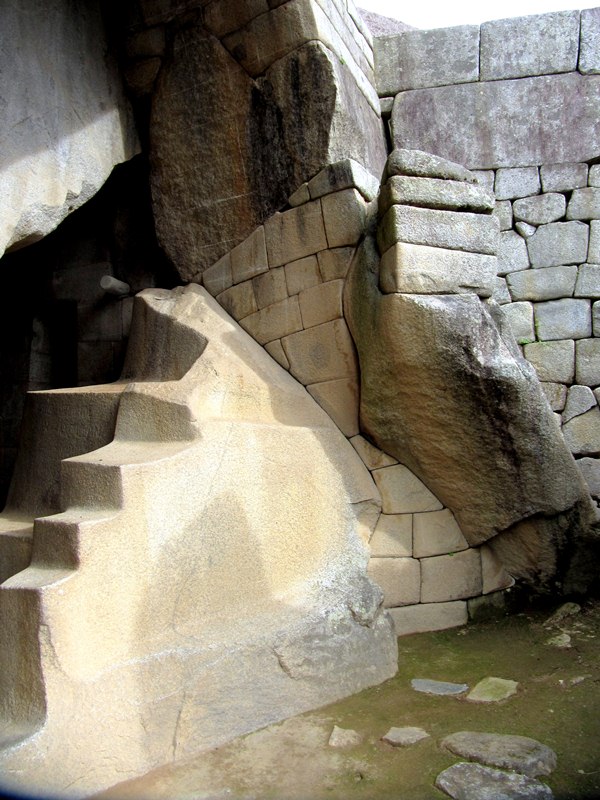
Masonry beautifully integrated with natural rock outcropping

Since this discovery this archeological site has been the most intact set of Incan ruins and the best representation of how the Incas lived and survived.  The Incas were a resourceful civilization that utilized the knowledge of all the tribes they conquered.  They built for earthquakes and carved grooves into the stones to lock them together. Enormous corner stones rock with the building and support it during shaking.

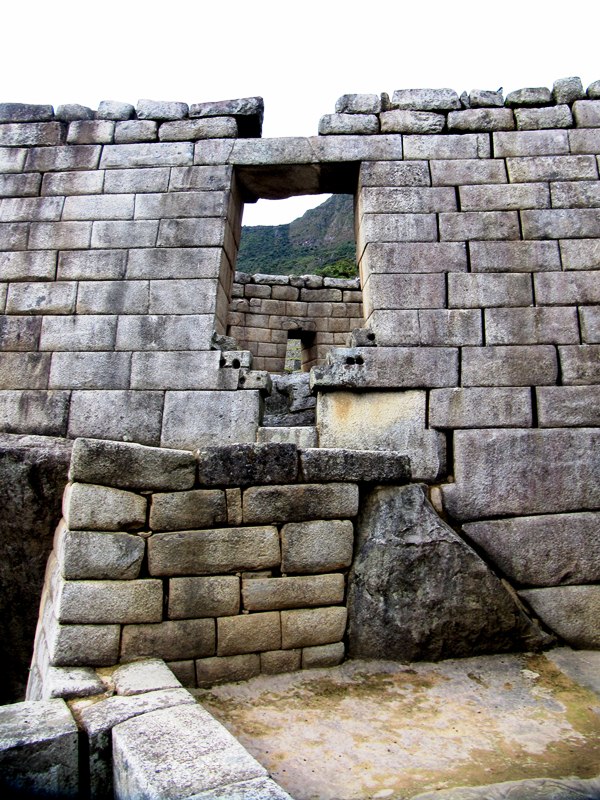
Tightly cut stones

The masonry was by far the most magical and seemingly impossible aspect of Incan building construction.  The stones of Incan buildings and walls were precision cut with stone tools. Individual blocks were cut from boulders using a technique of filling small hammered holes with wood pegs.  The pegs were soaked in water and as they swelled the blocks were cut from the granite.  Final finishing of the blocks was done with stone hammers.

Various masonry buildings with sun temple

The finest precision cut blocks were saved for the most important structures. In Machu Picchu the sun temple is built from the highest quality stone work.  Huge boulders carefully fit together without mortar and the joints are so tight that not even a piece of paper can fit.

Llama passings on a terrace

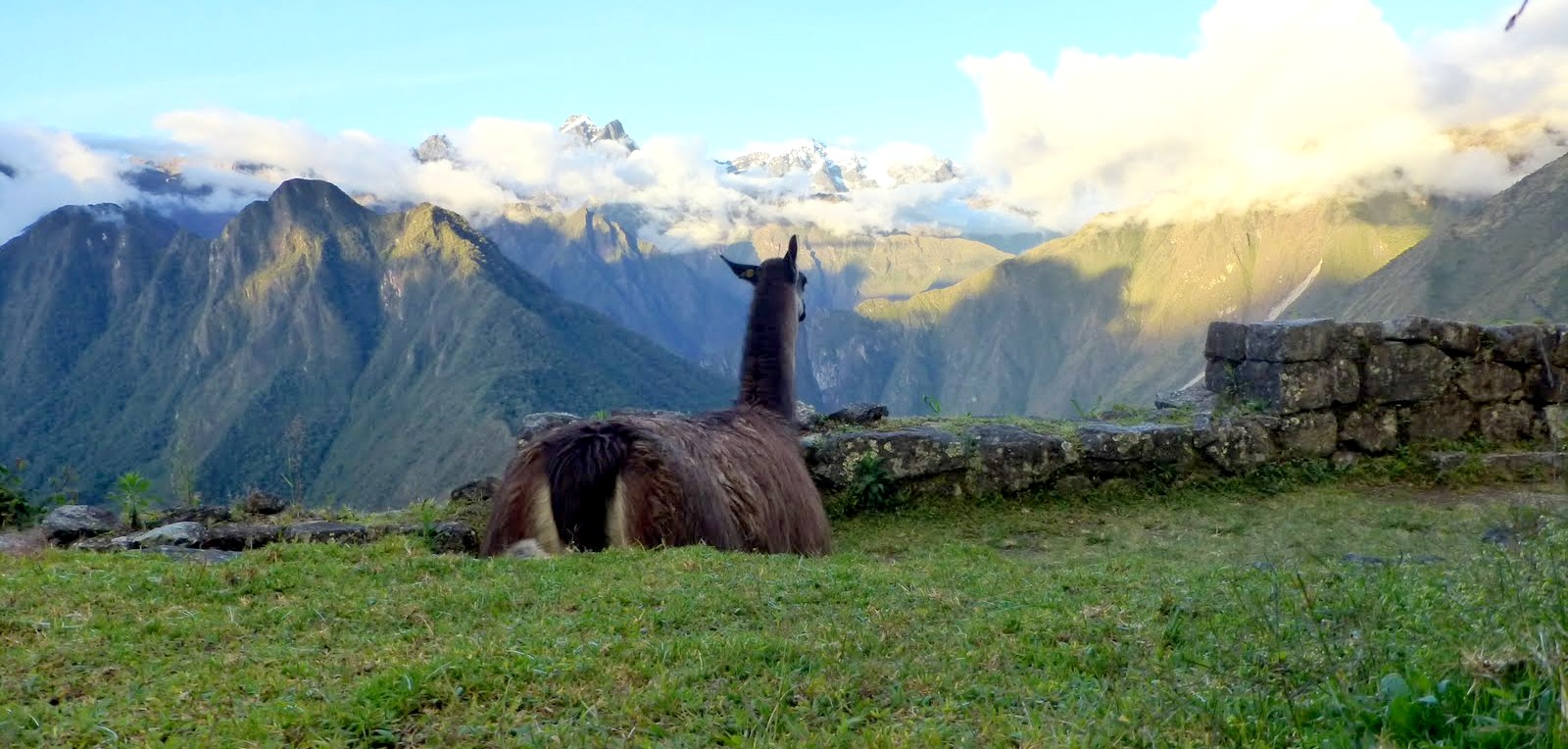
We enjoyed wondering around the complex.  There were hundreds of buildings, each room, wall or terrace held a special charm that I experienced nowhere else in South America.  Llamas shufffled around us on the ancient stone steps and green forested moutains soured in every direction.

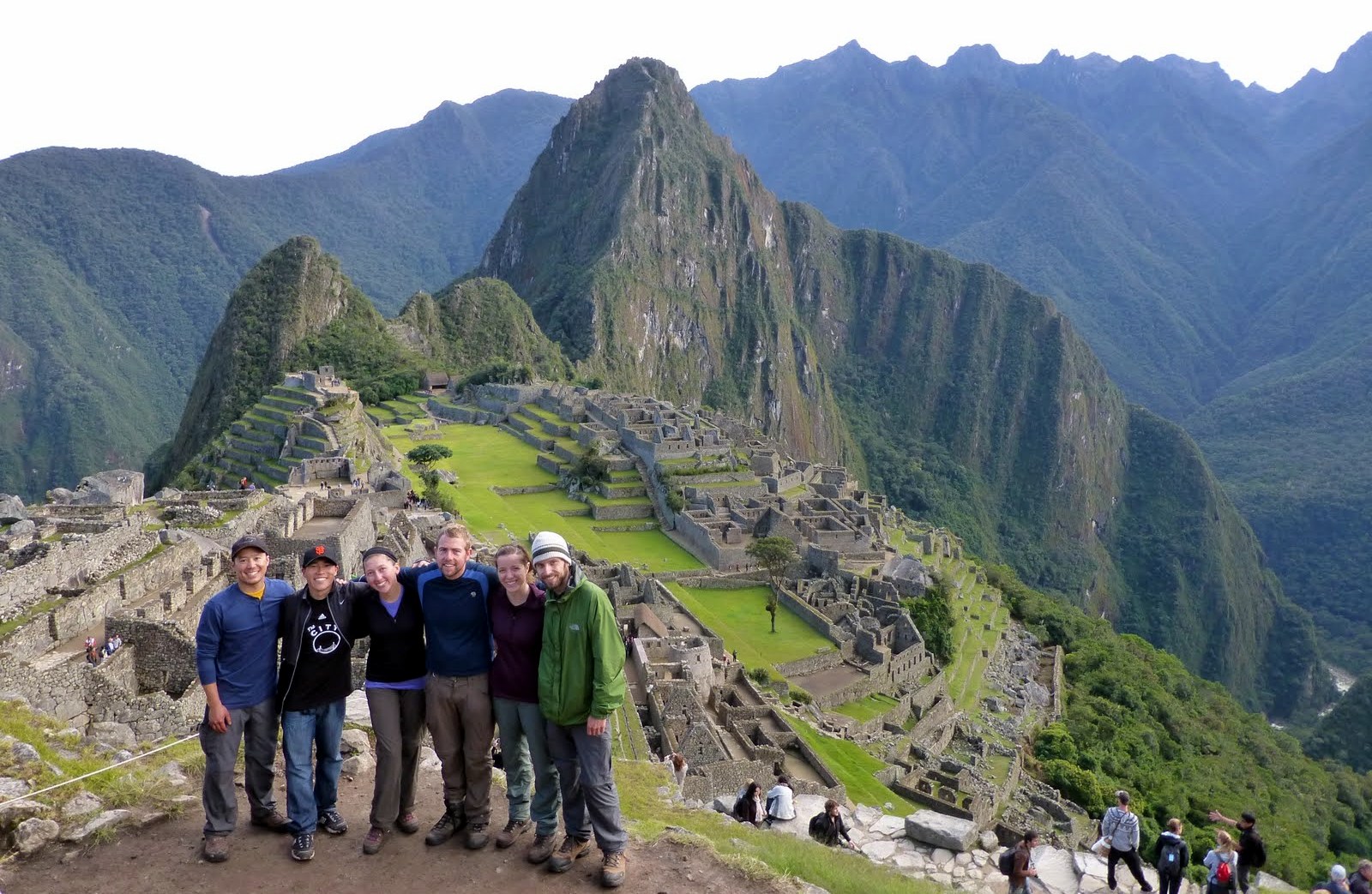
Six hiking friends enjoying the view

At the far end of the city the only place to go was up. We bought an additional permit to climb Huayna Picchu, which is the famous mountain peak behind every Machu Picchu photo.  The pathway was steep, but the clouds began to gloom overhead.  In a rush of weather changes our clear sky transitions to a rumbling thick cloud plump with water that began dumping on us during our climb.  Quickly our enjoyable climb became a slippery, uncomfortable scramble up the hillside.  Carmen and I hugged at the rock outcropping that perched on the summit.  Unfortunately the rain and the wind came at us from all directions and immediately we were thankful that we had those few hours in the morning to roam around the city.  Soggy and wet, we climbed down the steps and walked back into Machu Picchu.

Incan bridge clinging to the cliff

Just as sudden as the rain came, it stopped.  We continued to stroll our way through the city.  Brenda and I decided to go on a little side hike to a place that hung carefully on the cliffs.  On the backside of Machu Picchu mountain the residents carved a trail on the cliff side of the mountain.  The cliffs fall thousands of feet to the Sacred River.  One of the most spectacular constructions on this cliff was the Incan Bridge that carefully placed wood logs over precarious block walls.  The bridge is small, but strategically placed to protect Machu Picchu from all directions

Machu Picchu!

Our six day trek had finally come to an end.  Alongside our friends we conquered the mountains in a way that the Spanish never could, we made it to Machu Picchu.  The city imprinted beautiful memories into our minds.  During the train ride home I had that phantom feeling that I was still hiking, still exploring the mountains of Peru and still laughing and joking with my friends.  In Cusco our group separated, but none of us would forget the epic hike of a lifetime.

Walk Like an Ancient Incan – Part 2 (by Nathan)

Wayllabamba ruins in the morning light

We woke up refreshed on our third day of the trek. We camped at the junction of the Salkantay trail and the tradionally hiked stone Inca trail in Wuayllabamba. The village was originally an important strategic settlement of the Inca due to the junction of three valleys. The sun began to crest over the mountains and we explored the first set of ruins on the Inca trail. At 9,900ft (3,000m) the climate was still very humid and warm. The trail was engulfed within a jungle of vines, trees and grasses.

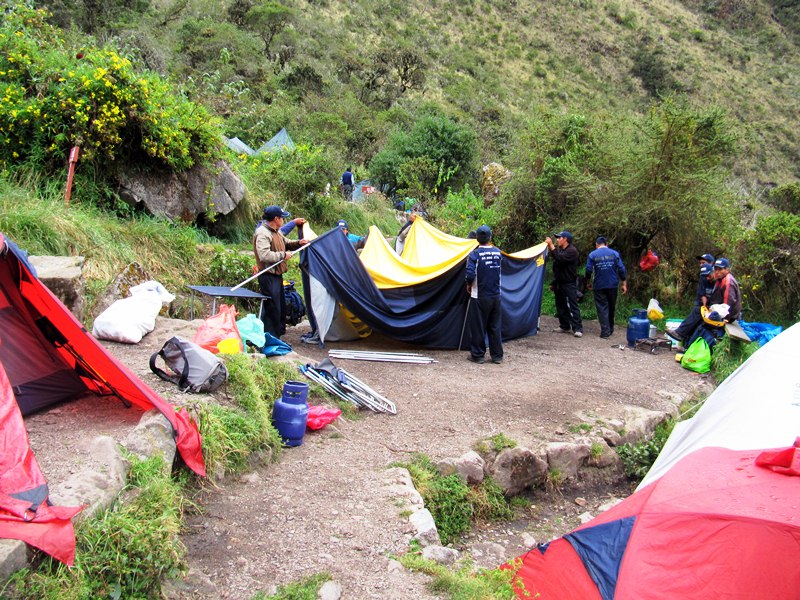
Apus Peru porters setting up our camp

Once on the Inca trail our mules and handlers returned to the start of the Salkantay trail in Soraypampa. Our gear was to be carried by a group of porters that all came from one of the small villages along the Inca trail. This group of guys was more or less a small army. Nine men joined our two chefs and together the eleven of them carried all of our tents and dining materials. They could climb the steep inclines with amazing power then run down the hills with surprising agility.

Brightly colored catapillar

View from Warmihuñusca pass, valley and Inca trail

Our hike that third day was delayed for some permitting issues as our guide worked to get us a better camping location along the trail. It was then that a bee decided to sting me. I am allergic, so for the rest of the week my hand and arm were not pretty as they resembled a balloon more than an hand. I soaked my hand in the creek, but as the afternoon approached I needed to slip it through the strap of my hiking poles and start moving.

Bromiliads clinging to the trees

The jungles were fantastic. Bromiliads clung onto trees in every nook and crevice. Wild flowers surrounded us with pinks, purples and reds. My favorite was the bright yellow lady’s slipper flowers that abundantly filled the tall bushes along our walk. Our guide informed us of the traditional uses of the plants; the people of this area have been able to create medicines for headaches, sleeping, nausea, contraception and muscle pain for thousands of years.

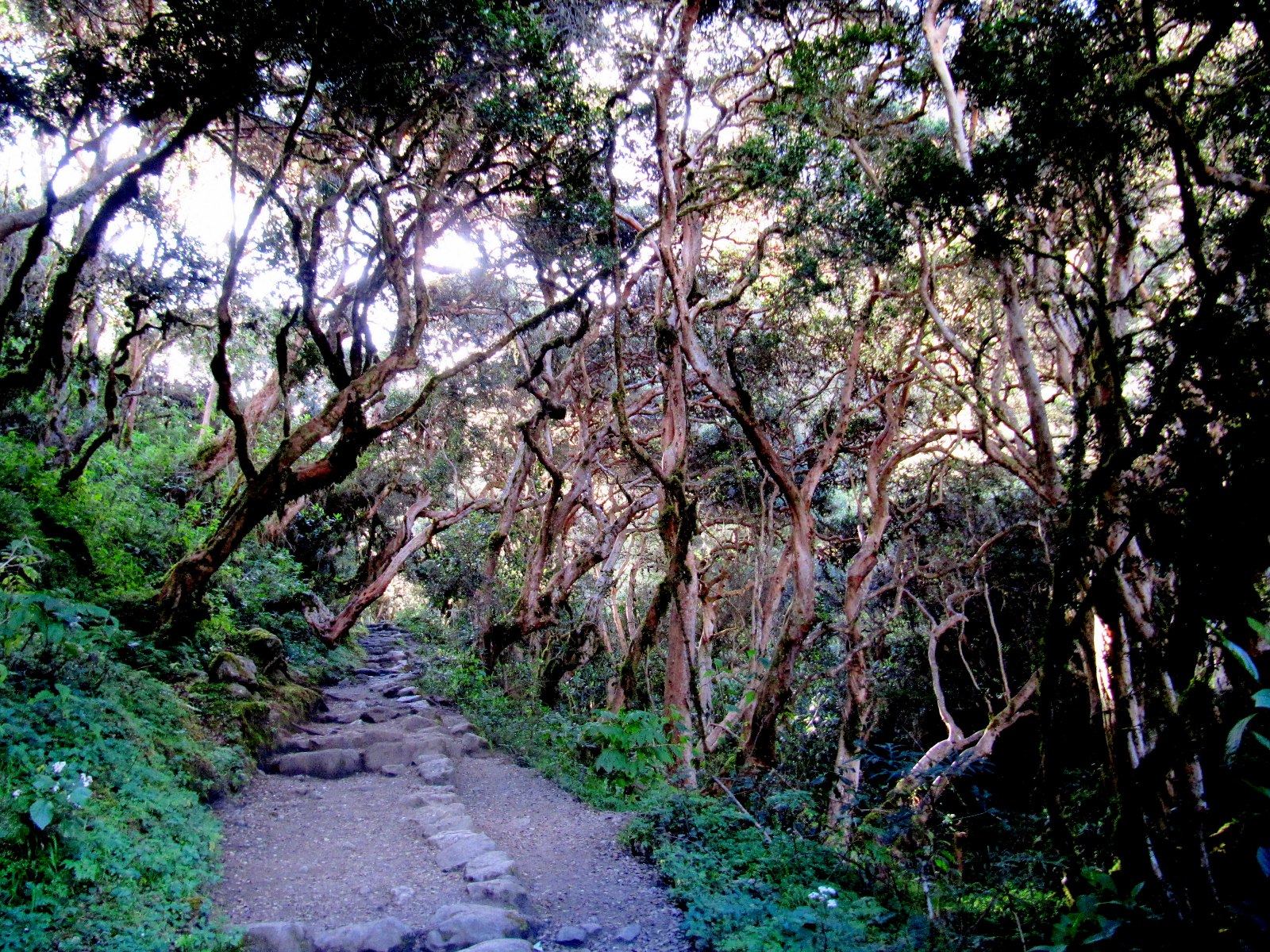
Beautiful forest along Inca trail

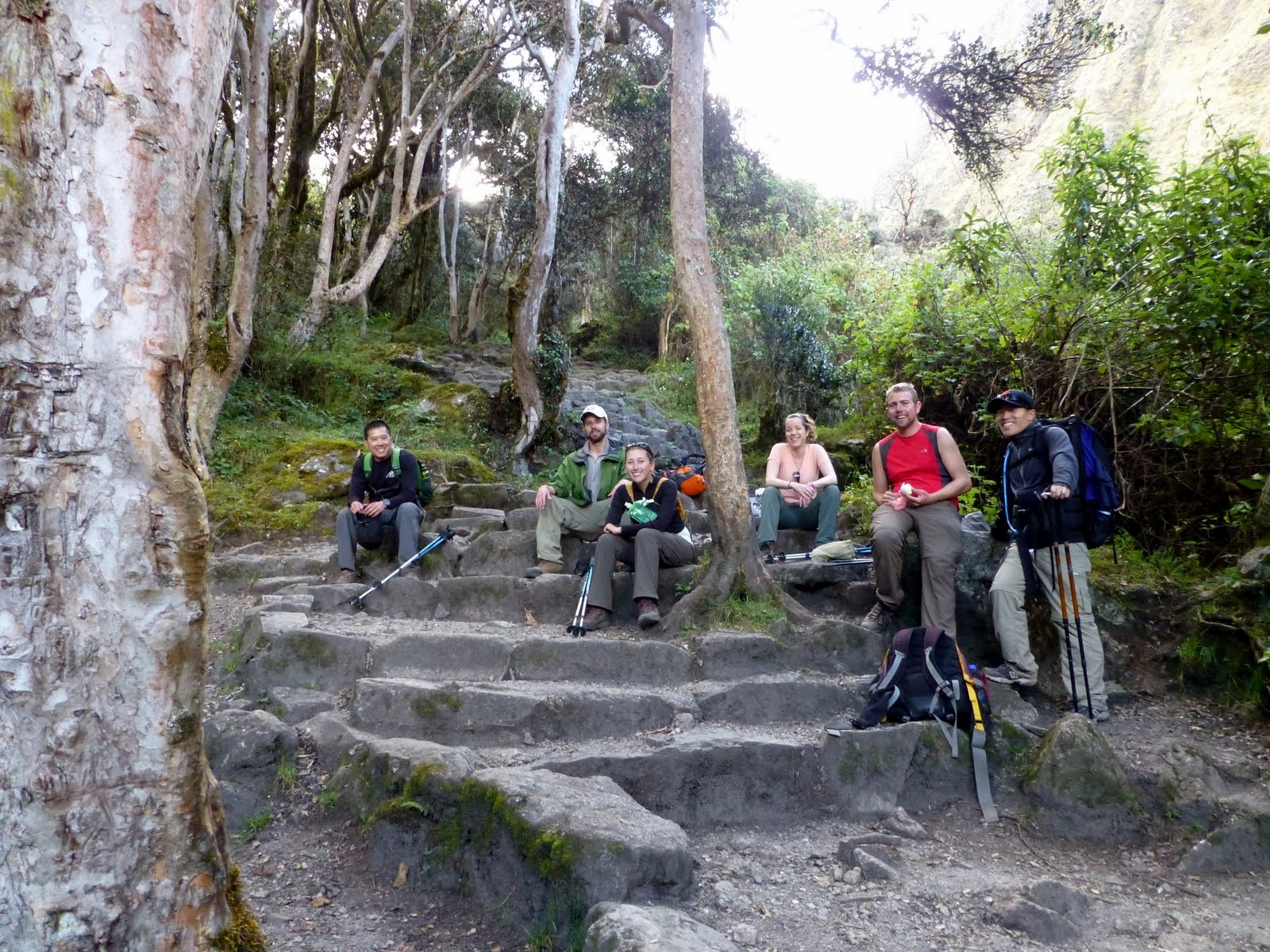
Snack time with friends

The stone path continued through forests of vines and trees. The thick canopy blocked out much of the sun. I was in constant admiration of the Inca who constructed this road 500 years ago that is still in such great condition. The frequent steps were carefully chiseled from local stone allowing us to walk through the rough terrain.

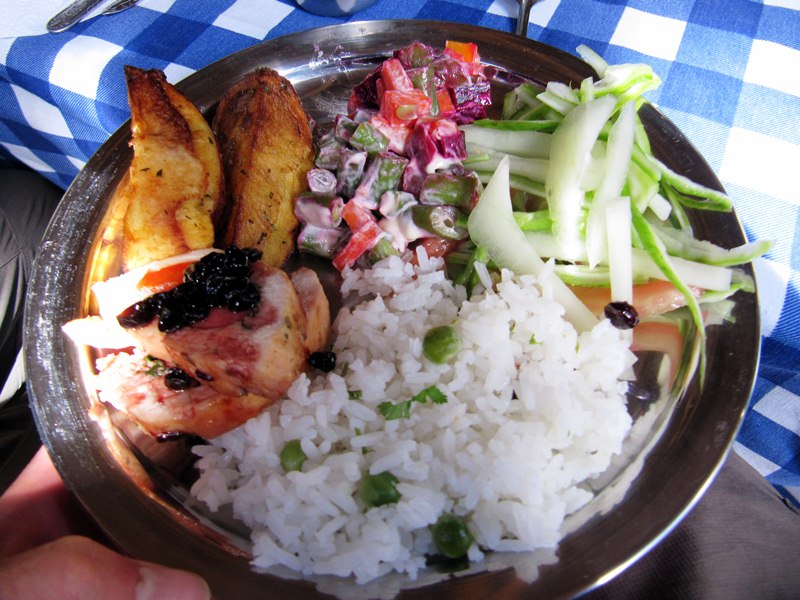
A delicious lunch of chicken, rice, potatoes, cucumbers and beet salad

Dinner of mashed beans, stir fried meat, salads and rice

We would walk for several hours at a time with breaks along the way. The porters would pack up the camp while we were hiking then later we would step aside as they ran passed us. Each lunch and dinner was taken at a separate beautiful location. We would sleep with our tents nestled into beautiful green valleys with llamas pushing their way by our tents. Our lunch locations held the promise of nearby ruins and with every meal we were satisfied with plentiful amounts of delicious Peruvian favorites.

Ruins at Sayacmarca

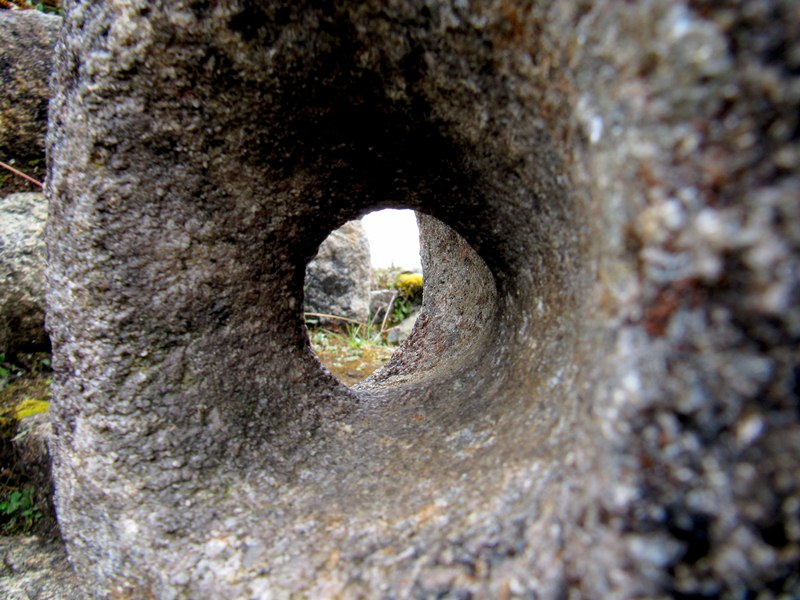
Hole cut out of stone so that entrances could be roped closed

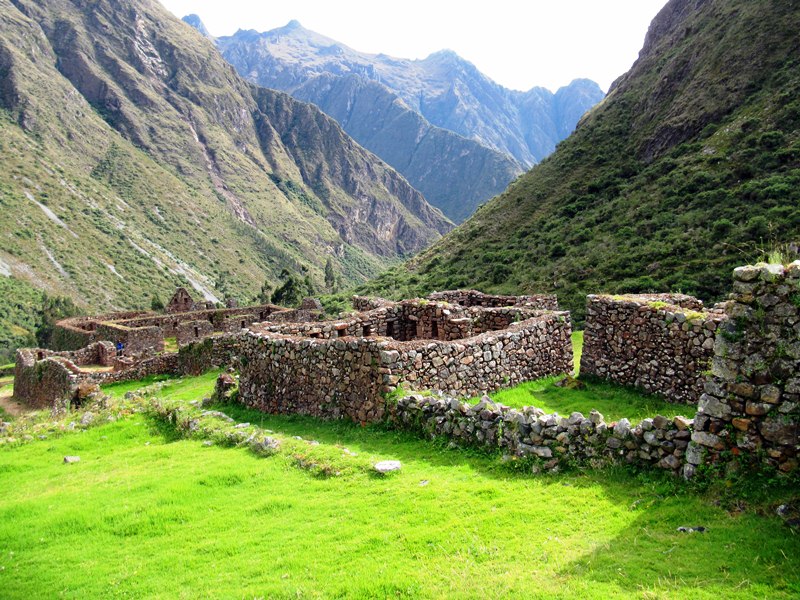
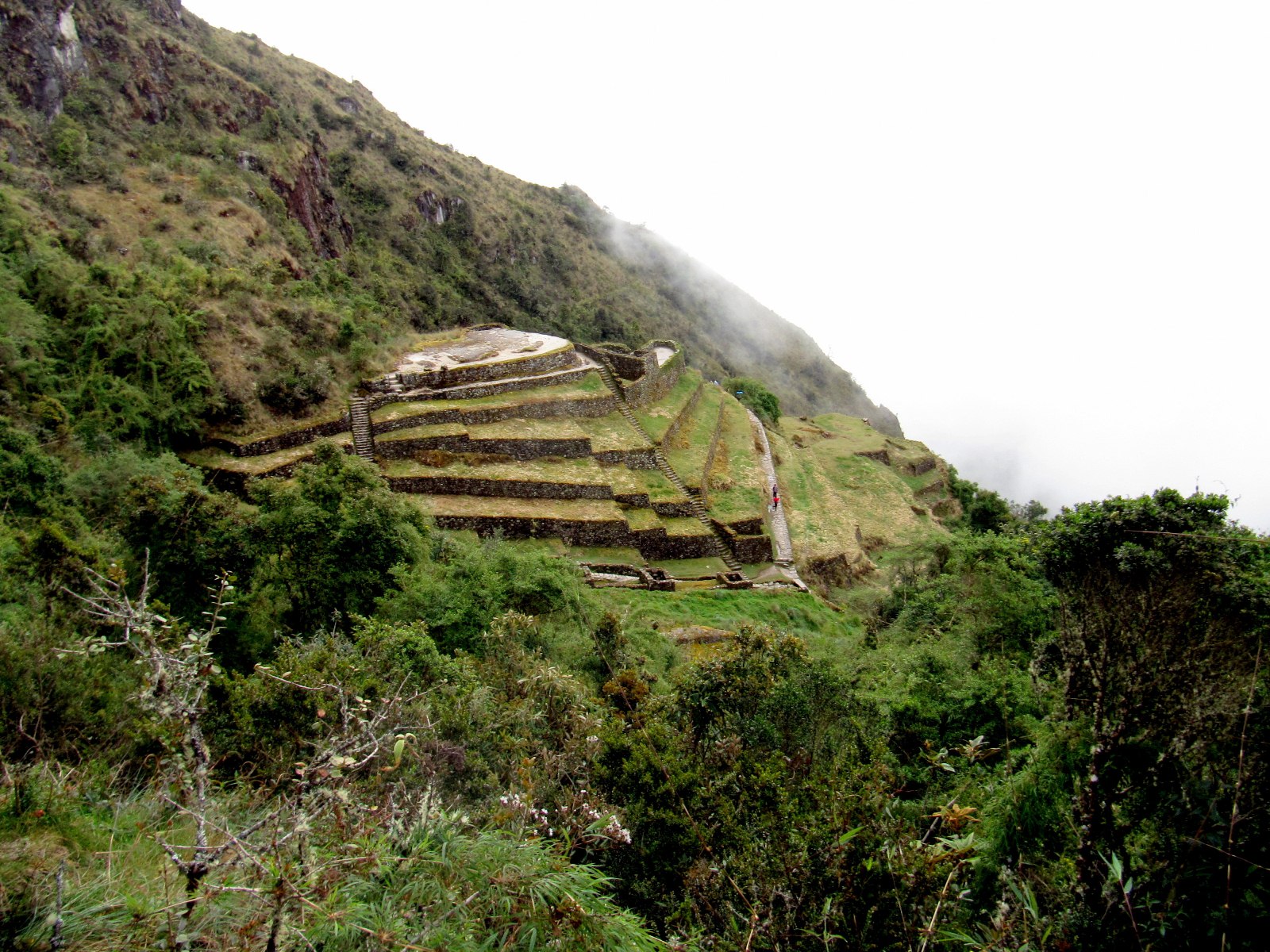
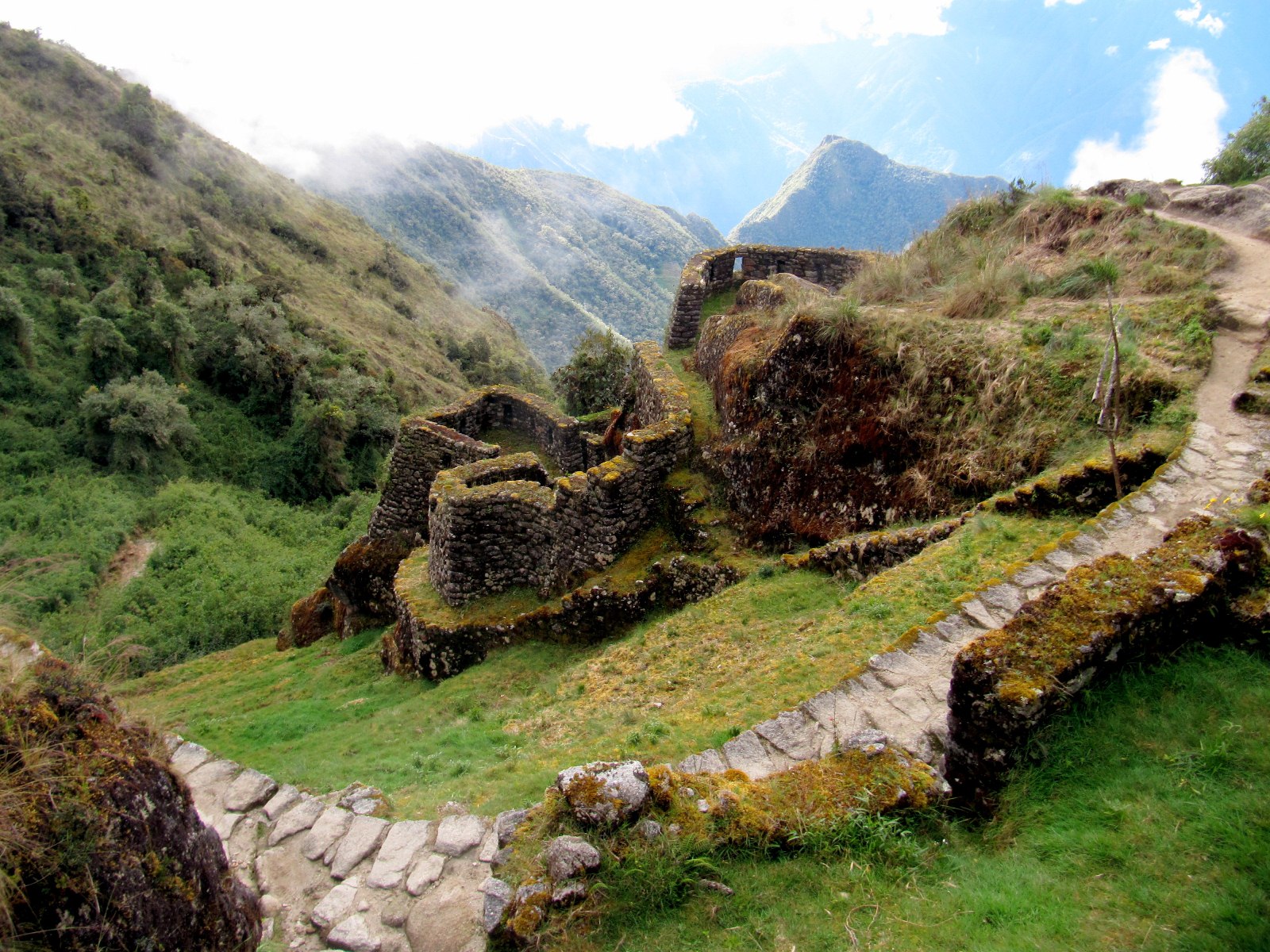
The Inca trail is filled with historic ruins. One of my favorites was Sayacmarca. This complex of rooms and small buildings clung onto the ridgeline and served as another checkpoint for people traveling between Cusco and Machu Picchu. Immediately we are reminded of the remarkable construction and engineering knowledge that the Inca utilized. The carving and placement of the stones is precise and exact. Carefully carved channels direct and deliver spring water into basins for bathing. Fifteen-foot stone walls terrace the hillside with flying steps that allow for maximum agricultural production.

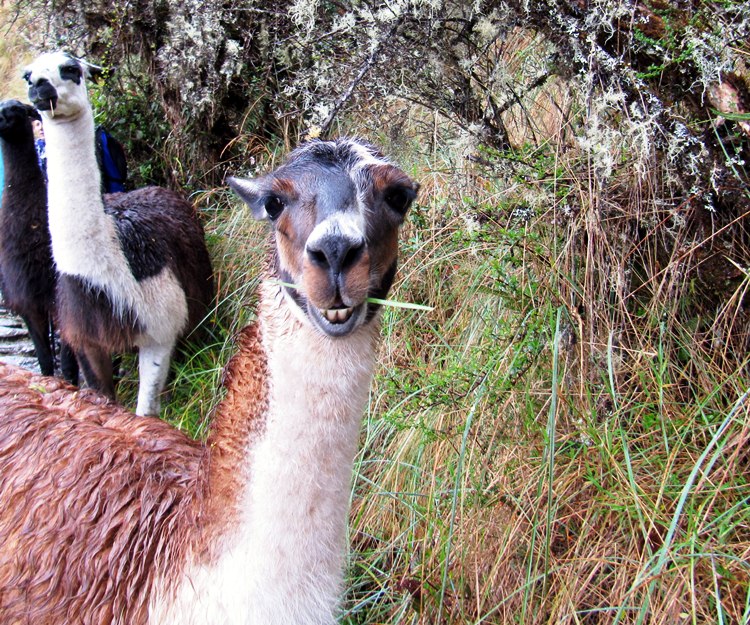
Llama passing

The trail was not just for tourists.  Several llamas had also been using the pathway to transition to the higher elevations and cooler temperatures.  They were pushy, but we were able to pass by them without incident.

Descending the mountain after Warmihuñusca pass

Lago Negra from Runkurukay pass

We crossed two mountain passes on our Inca trail hike: Warmihuñusca (13,900ft) and Runkurukay (13,800ft). It was a challenge to climb over these crests, but after five days of hiking we were ready as we’re ever going to be. Breathing hard with sweat dripping off my forehead it was easy to look back and admire the view. At the top of Runkurukay a natural lake, lago negra, sits gloomily on the cliffs edge.

Dropping into the valley and seeing Phuyupatamarca

Carmen and I at Phuyupatamarca ruins

The fifth day included five more hours of hiking with the addition of exploring two Inca archeological sites.  The first was Phuyupatamarca that overlooked the beautiful Urubampa river valley.

Fading hills from Phuyupatamarca

The second ruins of the day were at Wiñaywayna.  The complex mostly consisted of nearly a hundred terraces etched into the steep hillside.  There were several small buildings and I was even able to find some gooseberries growing along the steps.  We found llamas here too, but one in particular entertained us because it appeared deep in thought or meditation while viewing the scenery.

Llama meditation (Photo credit BDix)

Machu Picchu was near and the buzz all around the camp that evening emphasized everyone’s excitement.  After months of traveling in South America we were finally going to reach one of the most famous historical sights.   I was exhausted from the day’s hikes, but I was anxious and excited which made it difficult to sleep.  We all did our best to get some rest, but the 3am wake-up call was difficult.  Still groggy, we made our way to the hiker’s entrance gate into Machu Picchu.  Just one more hour of hiking and we were going to see the sun rise through the sun gate over Machu Picchu…

Epic Hike to Machu Picchu – Part 1 (by Carmen)

The last city with roads: Mollepata

I’ll admit, I was a bit nervous.  Did I really sign up to spend 6 days hiking to Machu Picchu in extremely high altitudes and cold nights and potentially pouring rain?  Should I have signed up for the train instead?  But there I was, hiking with poles in hand and hours and hours of walking ahead of me.  This was the capstone to our South American adventure.  Throughout the past 4 months it had loomed as an exciting yet anxiety inducing event.  As we had our orientation in Cusco, I couldn’t believe it had finally come.

Mountaineers

The most popular trail to Machu Picchu is the 4 day Inca Trail.  So many people wanted to hike it that they started to regulate it, requiring pricy permits and guided groups.  Its popularity is maintained, however, because it is the only walking route that leads directly to Machu Picchu.  We were interested in the Inca Trail, but it wasn’t badass enough.  No, we had to add an extra few days to walk past Salkantay Mountain, later joining up with the Inca Trail.  It seemed like a good idea when we booked it with our tour operator, Apus Peru.

Hiking team at start of hike

Grassy valley and our lunch spot below

What made the idea more enticing was that I was doing it with five awesome people: Nathan, Brenda, Drew, Dan and Randy.  On the first morning, we awoke early, met our guide Julio and drove a few hours outside of town to the trailhead.  Our packs were loaded on to some mules and we promptly set off.  From the beginning the views were spectacular.  We were in a wide grassy valley called Soraypampa with beautiful skies overhead a no one else but our group.  After a few hours we were already at our lunch spot.

A delicious lunch: spanish tortilla, quinoa, dehydrated potatoes and more…

The mules and 4 support staff had already arrived and set up the dining tent.  It was here that we learned how well our investment into a good tour company paid off.  The food was wonderful.  There were five or six courses, local peruvian favorites and flavors that were new, exciting and filling. Each meal we waddled from the tent in another failed attempt to finish all the food.  We were well fed throughout the tour thanks to our personal chef, Rutherford.

Nathan on top of the ridge

Salkantay from our tents

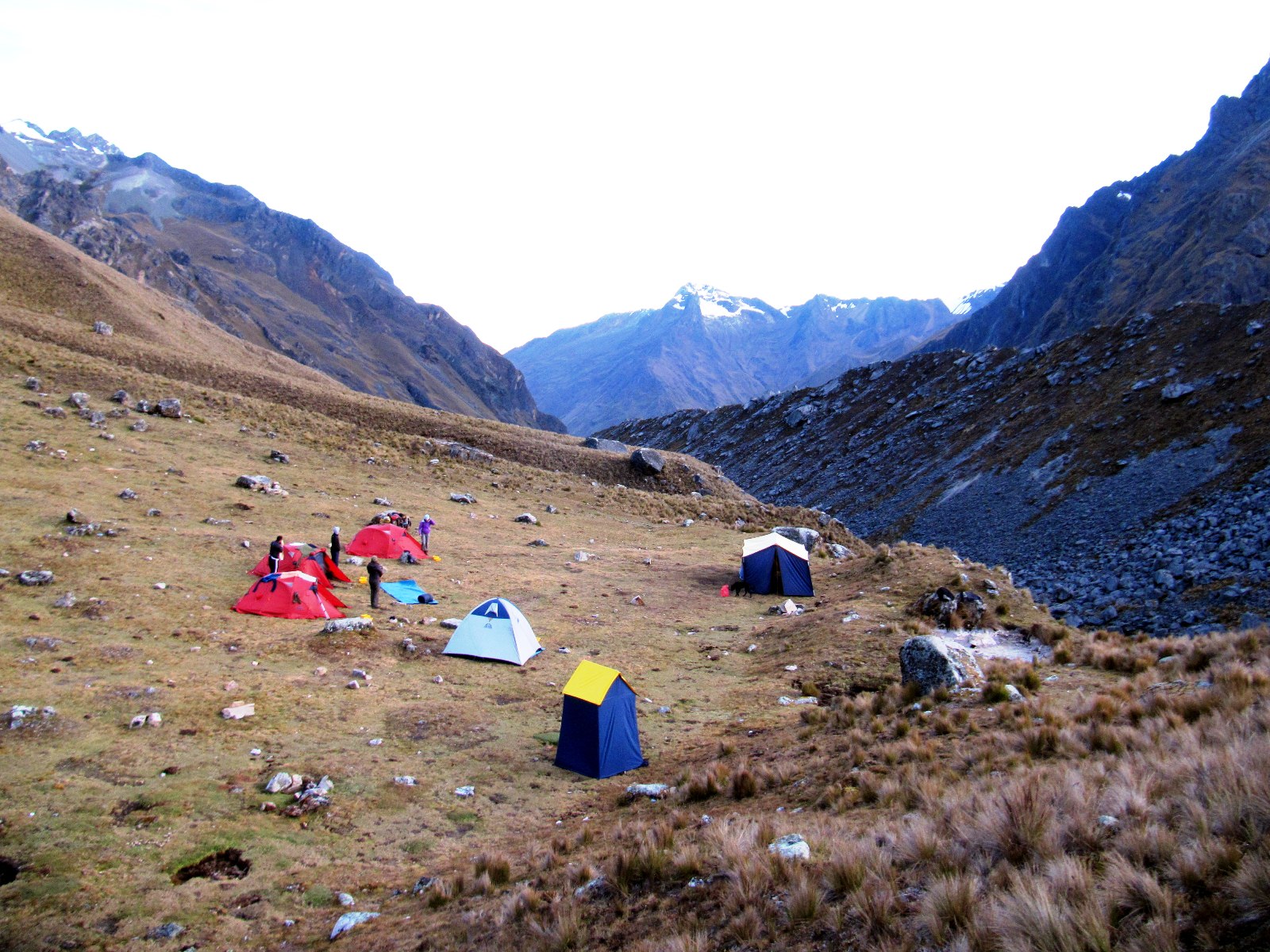
A few more hours of hiking and we made it to our campsite.  The tents were already set up and we were free to absorb the view.  And what a view it was.  We camped right below the gorgeously snow-covered Salkantay Mountain.  We watched until the sun went down and it got too cold to stand outside.  This was our coldest campsite – it dropped below freezing that night and we woke up to tents stiff with ice.

Campsite on night one

Mountain lake that Nathan and Drew jumped in

The next day we got even closer to the mountain.  It was going to be our highest climb, reaching 5,000 m (16,400 ft).  We started off strong but had to take a fair number of breaks to catch our breath.  It was in one of these breaks that Nathan and Drew had the brilliant idea of jumping into the small lake that had formed at the base of Salkantay.  They ran down while we climbed up.  I don’t know how they did it but they jumped in, and immediately jumped out of the icy water. Now they’ve got some good bragging rights.

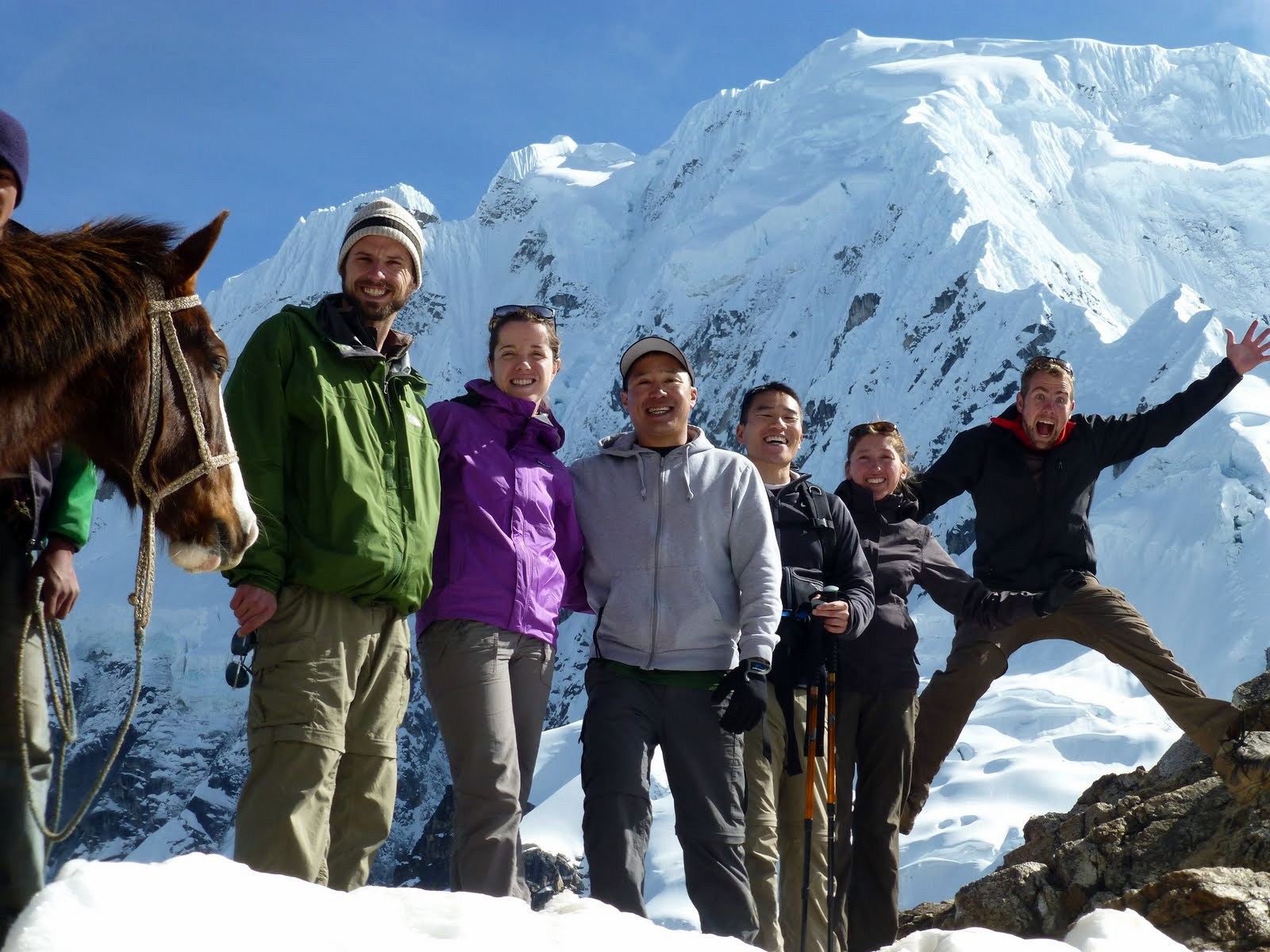
Celebrations at the pass

A brief clearing in the clouds reveals…Salkantay

Pushing ourselves hard, we kept trudging to the top of the pass. And slowly but surely, we all made it. We all stood on the ridge, looking up at Salkantay.  It felt so rugged and powerful, living up to its name which means Savage Mountain.  I had never been so close to a mountain that reaches 6271m (20,575ft) into the air.  It was breathtaking.

Hiking through the valley

Colorful fauna

And then it was time to descend.  For the rest of the day we passed through more valleys, some with small settlements scratching out a living with farms or llama herds.  We found the hike to be incredibly peaceful.  We never really saw any other hikers.  Just locals using the paths for everyday use.

Canal built by the Incas

Flowing creeks cut through the valley.  The Incas restrained these waters and created canals that still contain and manage the waterways five hundred years later.

Group hiking continued

Towards the end of day 2, we made it to our intersection with the Inca Trail.  We settled in and ate a delicious dinner.  These always started with soup, then a meat entree, always accompanied with potatoes of some sort, and perhaps a veggie or two.  We all finished it off with coca tea. It was the poshest camping I’ll ever experience.

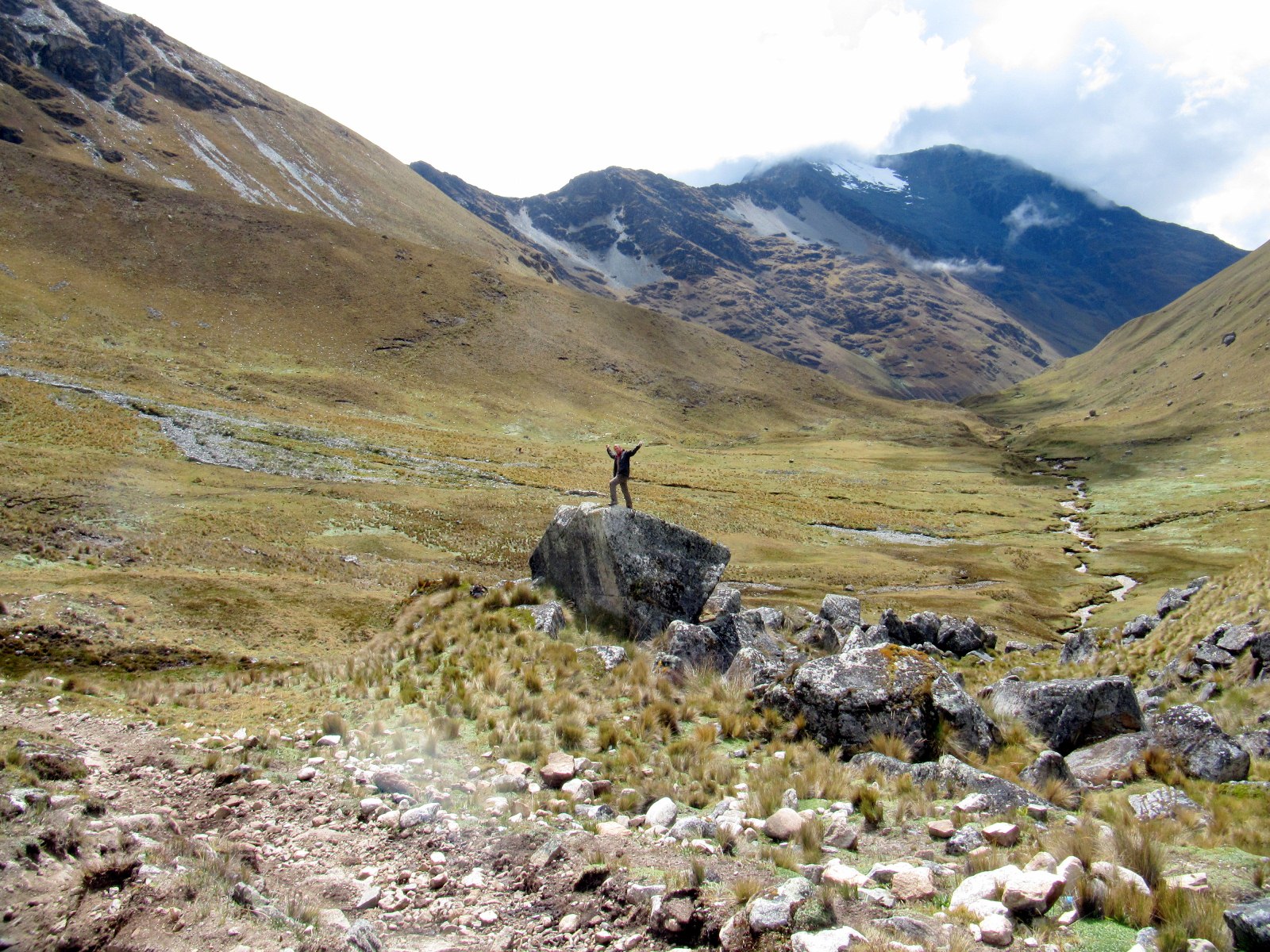
Nathan standing on a huge rock

With day 3 we ventured on to the Inca Trail and all was about to change…

Post Navigation